
Temporary Mobile Toilet Door
Temporary mobile toilet doors mainly come in two types: those for 'tide toilets' and those for mobile toilets, each with its own characteristics.
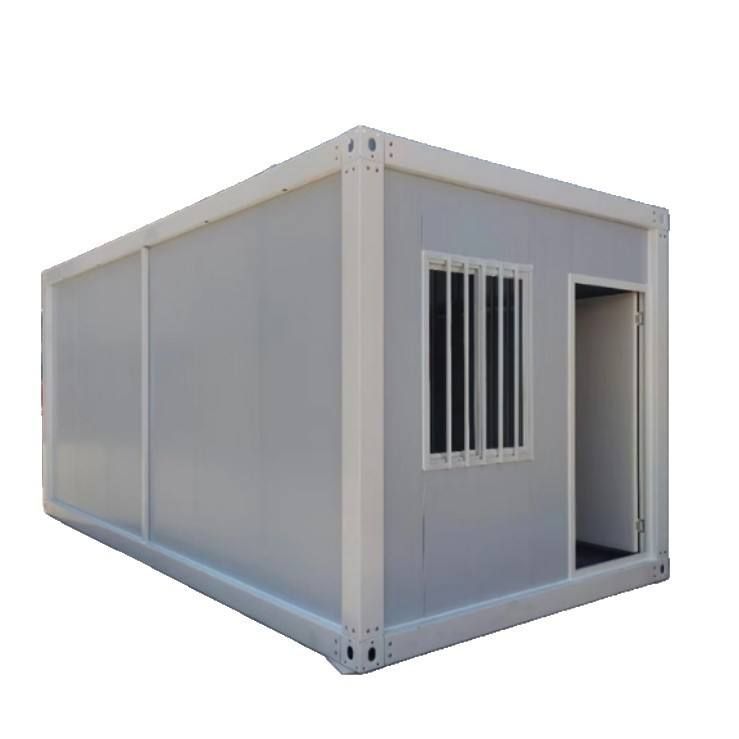
Doors for 'Tide Toilets'
The doors of 'tide toilets' are designed to be flexible, primarily to accommodate variations in the number of male and female toilet users at different times. They achieve this by setting up several 'gender-neutral universal toilet stalls' and using movable signs or lockable sliding doors to dynamically adjust access permissions based on real-time foot traffic. Taking the 'tide toilet' at West Lake Scenic Area in Huizhou, Guangdong, as an example, the on-site iron gates serve as physical partitions to transform toilet areas during peak hours, enabling temporary conversion between male and female toilet zones. When the number of toilet users is low, these stalls can be used according to the conventional male-female partition. However, when there is a higher number of users of one gender, by adjusting the movable signs or sliding doors, some stalls can be temporarily converted into dedicated stalls for that gender, thereby improving toilet efficiency and reducing waiting times. This design fully considers dynamic changes in actual use and better meets the needs of different time periods.
Doors for Mobile Toilets
The specific form of doors for mobile toilets is not particularly mentioned in related introductions, but it can be inferred from the overall characteristics of mobile toilets. Mobile toilets are generally composed of fecal sewage storage tanks (or fecal sewage treatment devices), floor slabs, sanitary ware, walls, washing facilities, water tanks, roofs, and mobile devices, among others. They offer advantages such as mobility, modularity, and ease of transportation. To achieve these advantages, their overall structure should be lightweight, utilizing lightweight and durable materials as much as possible. Therefore, the doors of mobile toilets may also be made of relatively lightweight materials, such as plastic or aluminum alloy, to reduce the overall weight of the toilet and facilitate movement and transportation. At the same time, to ensure safety and privacy during use, the doors may be equipped with locks and other devices.



