
Back to blog
Article
Temporary Container Office Building
Admin September 17, 2026
A temporary container office building is an office building form transformed using containers as the basic structural modules. It is convenient, stable, flexible, and suitable for various scenarios.
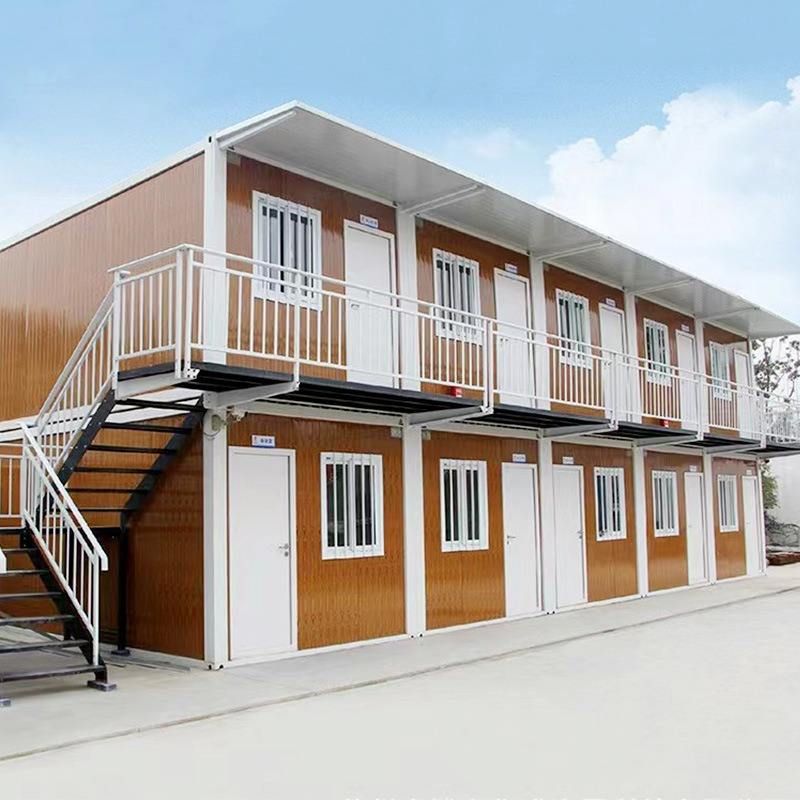
Core Advantages
- Rapid Construction and Portability
Container office buildings adopt a factory-prefabricated model, eliminating the need for on-site foundation laying. They can be directly placed and connected to utilities using cranes for immediate use. For example, a 6-meter standard container (18 square meters) can accommodate four office desks, and a team can assemble five to six sets in a day, achieving efficient delivery of 'arrival in the morning and meeting in the afternoon'. - Structural Stability and Durability
Regular manufacturers use galvanized steel frames that can withstand earthquakes of magnitude 8 and have a service life of over 15 years. The walls are finished with high-quality materials, ready for immediate use upon plugging in. Some products are also equipped with balconies or terraces, offering flexible spatial layouts. - Cost Control and High Cost-Effectiveness
The basic model starts at around ten thousand yuan, including steel materials and basic decoration, with a unit price exceeding 500 yuan per square meter. Upgraded configurations (such as thermal-break aluminum windows and smart door locks) require additional costs, but bulk purchases (50 sets or more) can be negotiated for at least a 5% discount.
Specifications and Suitable Scenarios
- Standard Specifications: A 6-meter-long container covers an area of approximately 18 square meters, suitable for small team offices; it can be spliced and expanded according to needs to form larger spaces.
- Application Scenarios:
- Construction Sites: Used as temporary offices, meeting rooms, or rest areas to address periodic demands on construction sites.
- Commercial Innovation: Transformed into 24-hour self-service fitness pods, cafes, etc., to expand functional diversity.
Selection Considerations
- Certification and Qualifications: Prioritize manufacturers with ISO certification to ensure materials and processes meet standards.
- Cost Breakdown: Clarify the归属 (ownership) of transportation fees (some manufacturers include them, while others require additional payment) to avoid hidden costs.
- Inspection Points: Focus on checking the tightness of bolts at the four corners and ensure that splicing seams are sealed with waterproof glue to prevent leakage.
Summary
With its modular design, rapid deployment, and cost advantages, temporary container office buildings have become the preferred solution in the temporary building sector. Whether addressing construction site demands or commercial innovation, attention should be paid to structural safety, cost transparency, and inspection details to ensure a satisfactory user experience and long-term value.



