
Temporary Container House Repair
The repair of temporary container houses requires comprehensive consideration of multiple factors, including repair objectives, technical specifications, safety protection, and cost control.
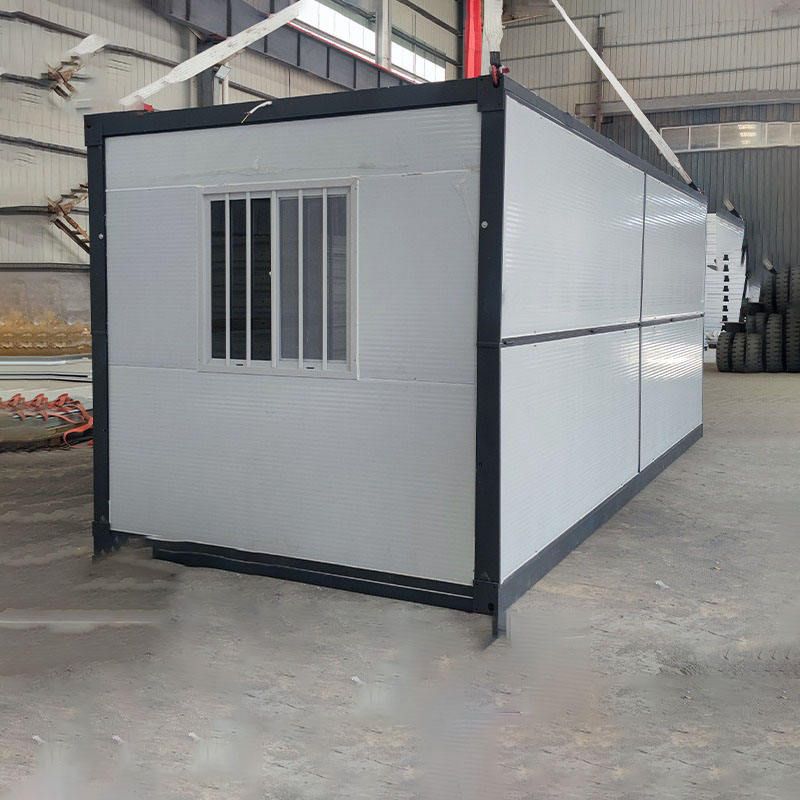
I. Repair Objectives and Principles The core objective of container house repair is to ensure safe operation of the equipment, extend its service life, improve turnover efficiency, and optimize maintenance costs. Repairs should adhere to the principles of 'prevention first, standardized operations, scientific decision-making, and environmental friendliness'. By conducting regular inspections, condition monitoring, and preventive maintenance, sudden failures can be reduced, excessive repairs or blind replacement of parts can be avoided, and the use of environmentally friendly materials and compliant disposal of waste can be emphasized.
II. Technical Specifications for Repair
- Structural Repair: For issues such as box deformation and weld cracking, high-strength steel welding repairs should be used, followed by anti-corrosion treatment. For example, Shandong Guoheng Intelligent Manufacturing Co., Ltd. ensures the safety of the box under harsh climatic conditions through standardized welding processes.
- Leakage Treatment: Fine sealing of damaged points, replacement of aged panels, and installation of reinforced rainproof facilities are required. For instance, when repairing container houses for the elderly at the Ruian Civil Service Complex, all damaged panels were replaced, and 40 square meters of rainproof iron shed tiles were installed.
- Specialized Repair: Refrigerated containers require separate repair plans to ensure the normal operation of the refrigeration system; cleaning and disinfection should meet hygiene standards to avoid secondary pollution.
III. Safety and Quality Control
- On-site Safety: Repair personnel should be equipped with protective gear and strictly adhere to operating procedures to avoid accidents such as falls from heights and electric shocks.
- Quality Acceptance: After repairs, strength tests, waterproof tests, and other procedures should be conducted to ensure compliance with safety standards. For example, the packaged container mobile houses produced by a company in Jinan use fire-resistant glass wool panels with no cold bridges at the connections, achieving thermal insulation and noise reduction functions.
IV. Cost Control and Benefit Analysis Costs can be reduced through refined management and scientific decision-making. For example, Shandong Guoheng reduces transportation and installation costs through modular design, resulting in an overall construction cost that is 30%-50% lower than that of traditional buildings; at the same time, through reasonable reserve of consumables and optimization of technical means, the total cost is controlled within the budget.



