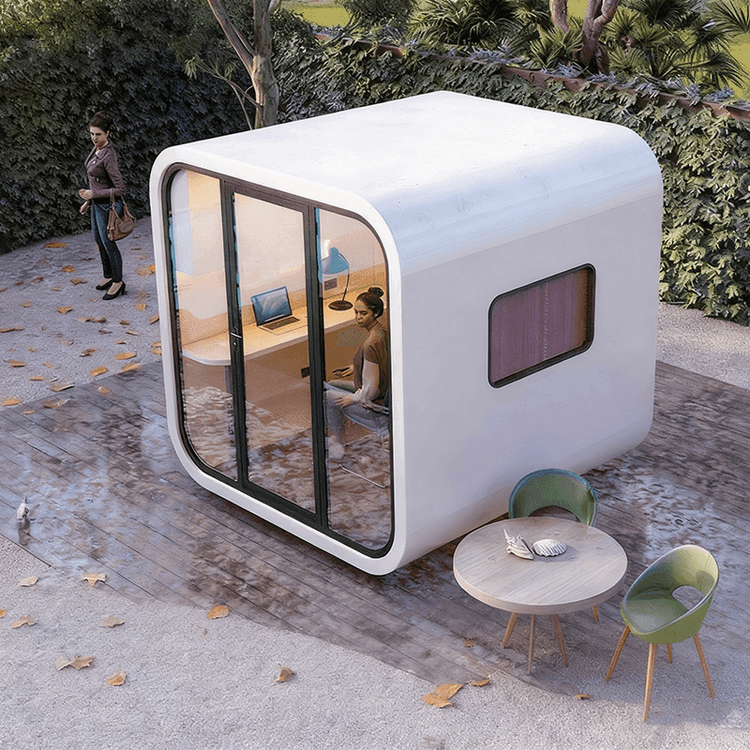
Temporary Container House
Temporary container houses have issues such as cramped space, inadequate protection under extreme conditions, and fire hazards, but their safety and applicability can be enhanced through structural optimization, material improvement, and standardized management.
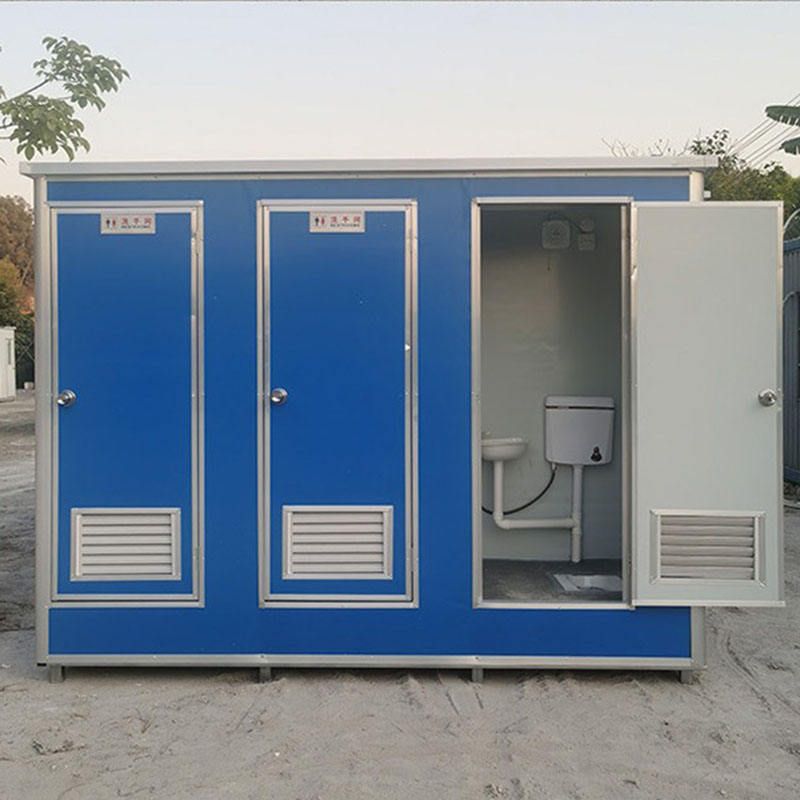
1. Space and Living Experience Issues
Container houses are constrained by their original dimensions, resulting in relatively cramped interior spaces. Taking the Nagoya Asian Games as an example, the single beds were only 1.95 meters long, making it impossible for athletes over 2 meters tall to fully stretch their bodies, affecting their rest quality. The low ceiling height and narrow aisles in the rooms made movement inconvenient. The poor sound insulation affected privacy and sleep. Each unit was equipped with only one air conditioner, with insufficient cooling efficiency. The organizing committee even suggested 'opening the door before going to bed to cool down,' exposing defects in ventilation and temperature control design. Additionally, shared bathroom facilities (such as one toilet and shower for three people) exacerbated usage conflicts, especially during peak hours when queuing seriously disrupted athletes' schedules and pre-competition preparations.
2. Inadequate Protection Under Extreme Conditions
Container houses have significantly inadequate protection under extreme natural disasters. During the Nagoya Asian Games, the container camp, located in a low-lying area, experienced waterlogging and house leakage during heavy rainstorms, even threatening structural safety and leading to the emergency evacuation of hundreds of athletes. Moreover, ordinary container houses have limited wind and earthquake resistance. Non-standard off-brand products showed wall cracks and frame tilting under simulated typhoon conditions, posing a risk of collapse. In contrast, compliant products (such as the Suzhou Zhongnan packing-box units) feature a full steel structure frame and reinforced design, with a wind resistance rating of up to Level 12 and earthquake resistance of Level 8, and a deformation rate far below the industry threshold, making them more suitable for extreme environments.
3. Prominent Fire Hazards
The fire safety risks of container houses mainly stem from material and layout defects. Some temporary houses use flammable sandwich materials such as polystyrene and polyurethane foam to reduce costs, which burn rapidly and are highly toxic, easily causing collapse during fires and increasing rescue difficulty. Additionally, improperly wired electrical circuits and poor management of heat and fire sources (such as electrical panel failures igniting weeds) are common causes of fires. To reduce risks, it is necessary to use Class A fire-resistant materials (such as rock wool boards), standardize the laying of wires and cables, equip with fire extinguishing equipment, and maintain a house spacing of at least 6 meters to slow the spread of fire.