Back to blog
Article
Temporary Container House Design
Admin September 16, 2026
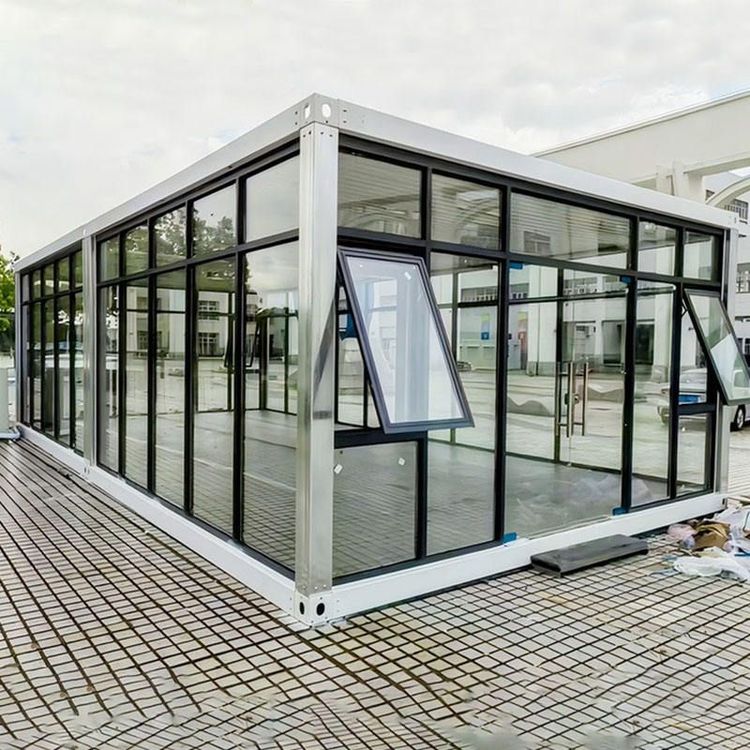
The design of temporary container houses requires comprehensive consideration of multiple factors, including structural stability, installation efficiency, transportation and storage, scenario adaptability, environmental protection, and sustainability.

Structural Stability
- Wind and Earthquake Resistance: In coastal areas or regions prone to typhoons, choose products with high wind resistance ratings, such as the all-steel frame container houses from Suzhou Zhongnan Steel Structure Co., Ltd., which can withstand winds up to 12 and earthquakes with an intensity of 8 degrees. Additionally, pay attention to the frame deformation rate to ensure compliance with relevant building structure load standards.
- Steel Selection: Use high-strength weathering steel, such as Grade Q355B, to enhance yield strength, reduce material usage, and maintain structural stability.
- Connection Nodes: Introduce a dual-fixing mode of “wedge-shaped locks + high-strength bolts” to enhance earthquake adaptability and reduce displacement during earthquakes.
Installation Efficiency
- Factory Prefabrication: Choose products with a high degree of factory prefabrication, such as the quick-assembly containers from Suzhou Zhongnan, which take only 2 hours to install per unit, significantly shortening the deployment cycle.
- Layout Flexibility: Support on-demand assembly and combination to adapt to different scenario requirements, such as engineering camps, government and enterprise temporary buildings, and commercial pop-up stores.
Transportation and Storage
- Folding Design: Use folding container houses to reduce transportation and storage space, such as the folding containers from Suzhou Zhongnan, which have a volume of only 1/5 of their expanded state after folding, lowering transportation costs.
- Loading Capacity: Consider the loading capacity of standard freight trucks and choose products with high loading capacity to improve transportation efficiency.
Scenario Adaptability
- Extreme Conditions: In extreme conditions, such as coastal areas with 12-level typhoons or regions with 8-degree earthquakes, choose products with good structural stability.
- Functional Requirements: Select appropriate functional layouts and facility configurations based on specific usage scenarios, such as temporary offices, accommodations, or event support facilities.
Environmental Protection and Sustainability
- Material Recycling: Prioritize products made from recyclable materials to reduce construction waste.
- Thermal Performance: Use composite thermal performance envelope structures, such as the three-layer composite construction of “rock wool-air layer-aluminum-zinc plate,” to improve thermal insulation and reduce energy consumption.