Back to blog
Article
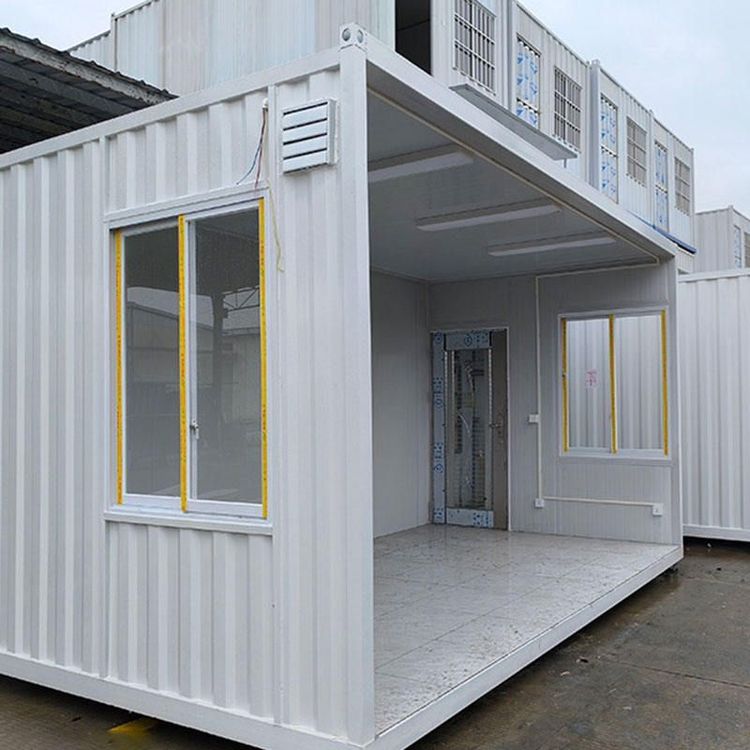
Telescopic Container House
Admin September 17, 2026
The telescopic container house is an innovative architectural form that features mobility, rapid assembly, safety, and durability. The following provides an introduction from aspects such as characteristics, manufacturing processes, brands, and innovative cases:

I. Core Characteristics
- Spatial Variability: During transportation, its volume can be compressed to less than 50% of its original size, significantly reducing transportation costs. When in use, it can be quickly expanded to form a complete living or working space.
- Structural Safety: The main body is made of steel framework, providing wind resistance, earthquake resistance, and corrosion resistance, enabling it to adapt to complex environments. The air-insulation design effectively isolates noise and heat, enhancing living comfort.
- Functional Flexibility: It comes in a variety of exterior designs and supports stacking for use, meeting the needs of different scenarios. The interior space can be customized according to requirements, making it suitable for temporary housing, office spaces, commercial exhibition halls, etc.
II. Manufacturing Processes and Specifications
- Process Types: Some brands use welding processes to ensure structural stability, with surfaces treated with baking paint to enhance weather resistance. Hebei Baida Container House has introduced foldable and telescopic houses that achieve rapid assembly through modular design.
- Specification Parameters: The weight ranges from 10kg to 25kg, facilitating manual handling. It supports customization in various specifications to adapt to different transportation vehicles and site conditions.
III. Brands and Styles
- Mainstream Brands: Brands such as Yijia, Xinhe, and Wanlong offer standardized products covering styles like minimalist and traditional Chinese, meeting diverse aesthetic needs.
- Innovative Cases: Hebei Baida Container House's "five-minute construction" technology enables rapid deployment through pre-installed connectors and standardized components, demonstrating technological breakthroughs in China's modular construction sector.
IV. Application Scenarios
- Emergency Scenarios: After earthquakes, floods, and other disasters, it can quickly set up temporary shelters to provide a safe living environment.
- Commercial Scenarios: As mobile shops or event exhibition halls, it supports rapid relocation and reuse, reducing operational costs.
- Tourism Scenarios: As vacation homes or camping bases, it provides flexible accommodation solutions in combination with natural landscapes.
The telescopic container house balances portability and functionality through material innovation and structural design, becoming an important development direction in the modern construction field.