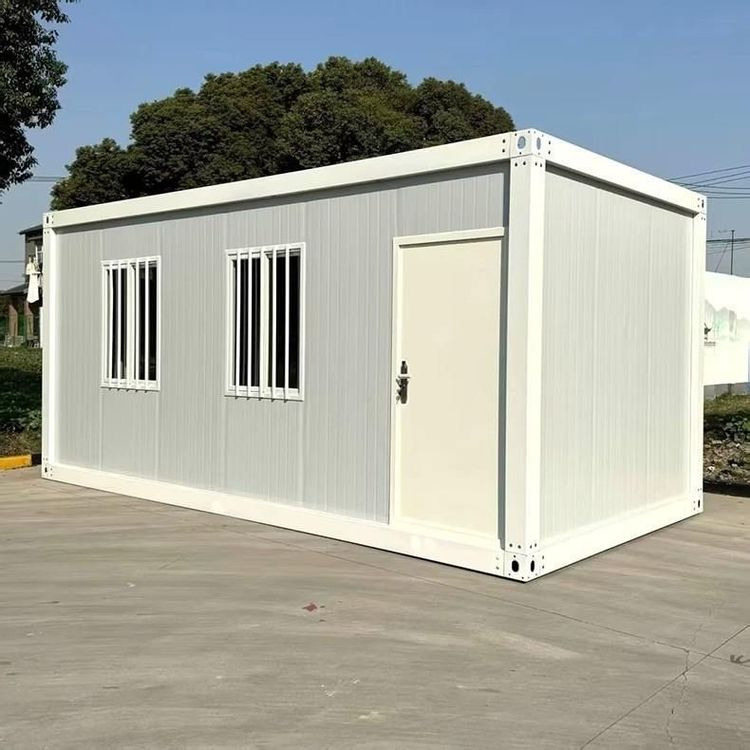
Technical Parameters of Portable Toilets
The technical parameters of portable toilets vary depending on the model and design. Common parameters are as follows:

1. Structural Materials
The main frame is mostly made of high-strength corrosion-resistant materials, such as stainless steel, galvanized steel, metal carved panels, or square steel. For example, the bottom of some portable toilets is welded using 100×50×4mm national standard channel steel, and the columns and support frames are made of 30×50×3mm national standard square steel to ensure structural stability. Exterior wall materials include color-coated steel sheets, fiberglass-reinforced plastic, stainless steel, metal carved panels, or special exterior wall tiles, balancing aesthetics and durability.
2. Dimensions and Weight
Common model dimensions range from 4500-5000mm in length, 1500mm in width, and 2800mm in height, with a weight of approximately 4000kg. There are also larger portable public toilets, such as those measuring 5850mm in length × 2650mm in width × 2750mm in height, or compact standard models (1000×1000×2400mm), to meet different scenario requirements.
3. Interior Space and Layout
The interior achieves efficient utilization through functional zoning, including toilet areas, ventilation systems, and optional handwashing stations. The toilet compartment dimensions are typically 1310mm in width × 1620mm in depth × 2100mm in height, with toilet bowl dimensions of approximately 645mm × 545mm × 200mm, ensuring user comfort. Some designs also include independent management rooms for storing cleaning tools or equipment.
4. Electrical Parameters
They use 220V household voltage, compatible with conventional power sources. Outdoor configurations include LED 'Occupied/Vacant' indicator screens, explosion-proof power outlets (AC220V/50Hz), and some models are equipped with intelligent lighting and ventilation systems that support energy-saving modes.
5. Environmental Adaptability and Durability
They are suitable for temperature ranges from -20℃ to 50℃, utilizing thermal insulation materials and sealing techniques to cope with extreme weather conditions. The service life generally exceeds 15 years, with metal materials exhibiting strong anti-aging properties and modular designs facilitating the replacement of damaged components. Some high-end models have a designed service life of up to 20 years, suitable for long-term repeated use.
6. Other Configurations
Standard configurations include water-saving squat toilets, infrared induction flushing systems, ceramic handwashing basins, intelligent ventilation fans, stainless steel fittings (such as handrails and coat hooks), and LED lighting. Some models integrate feces-urine separation devices, employing biodegradation technology to reduce sewage discharge, highlighting their environmental performance.