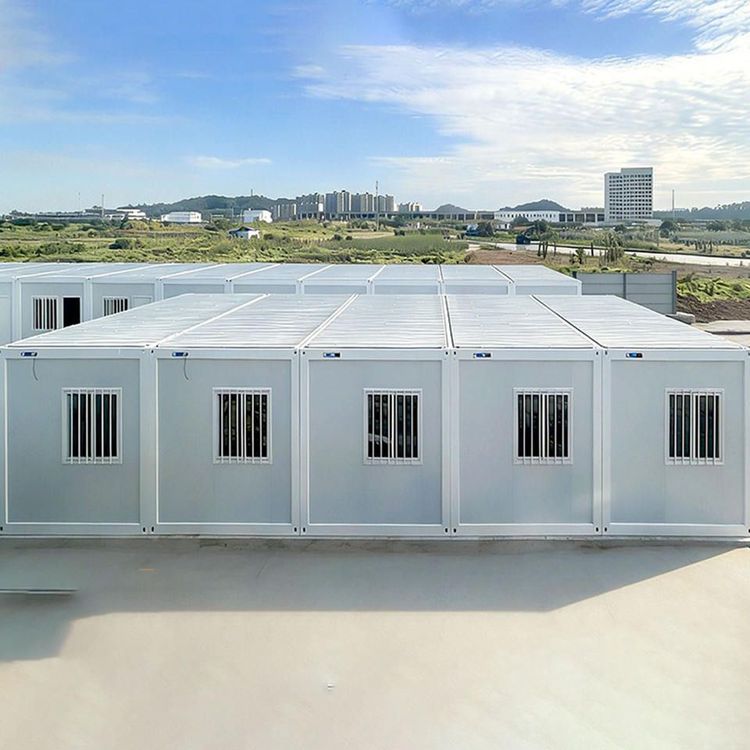
Tax Classification of Mobile Toilets
The tax classification of mobile toilets needs to be determined based on specific business scenarios, mainly involving three categories: leasing, sales, and fixed asset treatment, as detailed below:

I. Tax Classification for Leasing Mobile Toilets If a business or individual provides leasing services for mobile toilets, this business falls under the category of 'operating lease'. The lessor is required to pay various taxes based on the rental income:
- Property Tax: If the mobile toilet is classified as 'property' by the local tax authorities (e.g., if it provides shelter from wind and rain and is used by people), and the lessor owns the property rights, then property tax must be paid at 12% of the rental income. Whether it is considered property depends on the interpretation of local tax authorities.
- Stamp Duty: The lease contract must be stamped at a rate of 0.1% of the lease amount stated in the contract, payable by both parties to the contract.
- Income Tax: When the lessor is a business, rental income is included in the business's taxable income and taxed according to the corporate income tax law (generally at a rate of 25%). When the lessor is an individual, rental income is treated as 'property rental income' and is subject to a proportional tax rate of 20%, but taxes are calculated after deducting relevant expenses.
II. Tax Classification for Selling Mobile Toilets If a business sells mobile toilets, it must be treated as the sale of goods, involving the following tax considerations:
- Tax Classification Code: The code is 1080409, and the tax classification name is 'container'. However, the invoice item name must clearly state 'Metal Products Mobile Toilet' to distinguish it from ordinary containers.
- Value-Added Tax (VAT) Rate: General taxpayers are subject to a VAT rate of 13%. Small-scale taxpayers calculate and pay VAT at a levy rate of 3% (during the pandemic, they may enjoy a preferential rate of 1%, subject to the latest policies).
- Invoice Issuance: The seller must select the correct tax classification code based on the actual business and ensure that the invoice content matches the item name to avoid tax risks.
III. Tax Treatment of Mobile Toilets as Fixed Assets If a business uses mobile toilets as self-used fixed assets, they must be managed under the category of 'buildings and structures':
- Depreciation: Mobile toilets meet the characteristic of 'long-term use' for fixed assets, and their costs should be amortized through depreciation over their expected useful lives. The depreciation method (e.g., straight-line method, double-declining balance method) must be selected according to the business's accounting policies and reported to the tax authorities for record.
- Tax Deduction: If mobile toilets are used for VAT-taxable projects, their input tax can be deducted as stipulated (a valid VAT special invoice must be obtained). If they are used for projects subject to simplified tax calculation methods or collective welfare, etc., no deduction is allowed.
Summary: The tax classification of mobile toilets must be judged based on the nature of the business. Leasing involves property tax, stamp duty, and income tax; sales are treated as goods sales, subject to a VAT rate of 13% or 3%; when used as fixed assets, they must be managed and depreciated accordingly. Businesses should accurately select tax classification codes based on actual business scenarios and comply with tax obligations.