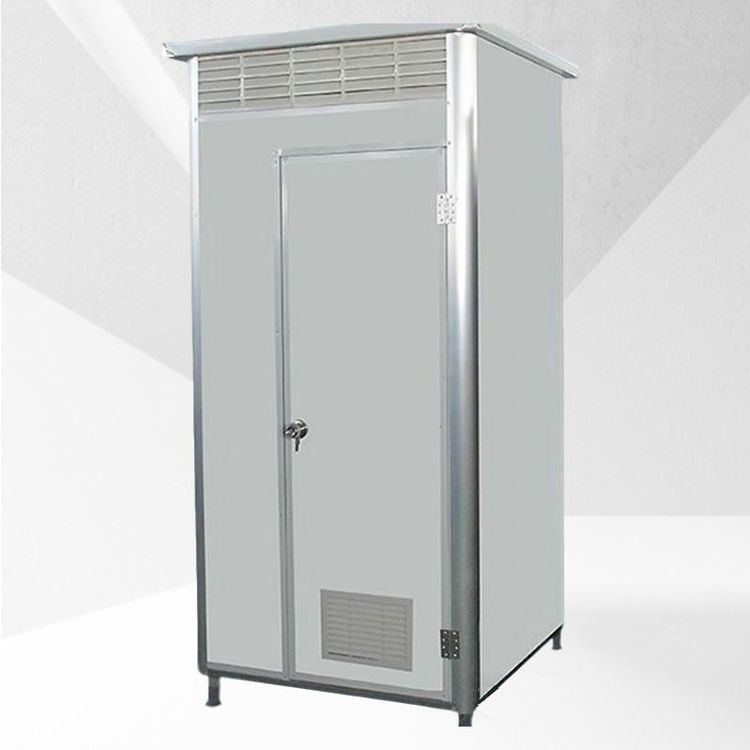
Taojiang Mobile Toilet Inspection
Currently, no specific information regarding mobile toilet inspections in Taojiang County has been found, but we can introduce other toilet-related initiatives in Taojiang County.
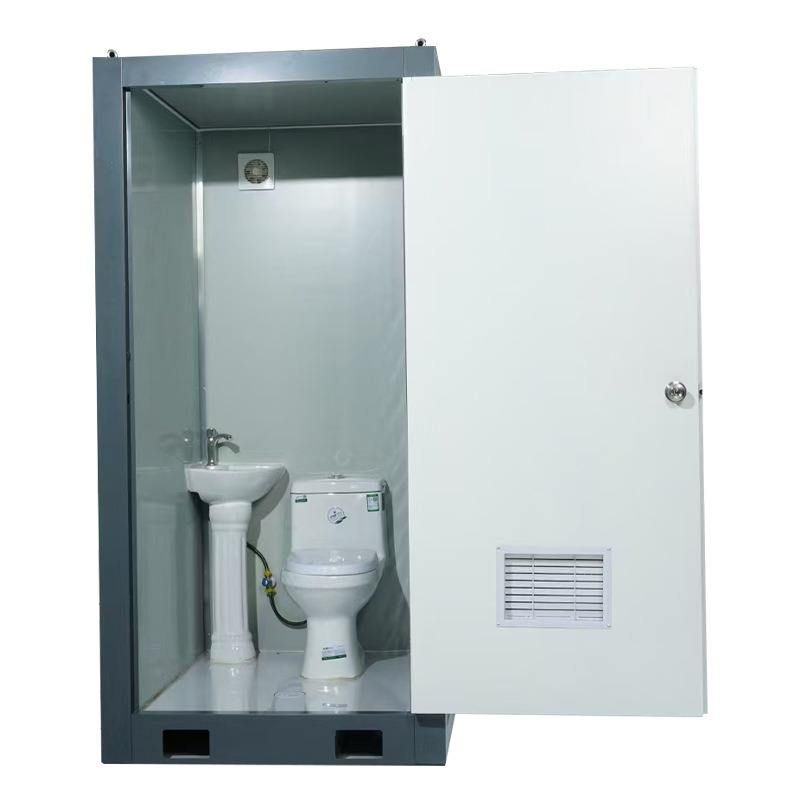
Urban 'Shared Toilet' Project
In response to the shortage of public toilets in urban areas, Taojiang County has actively implemented the 'Shared Toilet' project. This project encourages and promotes the opening of internal toilets in enterprises and institutions for public use. As of now, 35 enterprises and institutions have participated in this project, opening shared toilets. This measure has effectively alleviated the shortage of public toilets in urban areas, providing more convenience for citizens and tourists during their travels, and enhancing the level and quality of urban public services. By integrating social resources and opening up toilet resources that were originally only for internal use within units to the public, optimal allocation and efficient utilization of resources have been achieved, reflecting the humanization and refinement of urban management.
Supervision and Inspection of Rural Household (Public) Toilet Renovation
The Discipline Inspection and Supervision Commission of Taojiang County attaches great importance to the renovation of rural household (public) toilets and has conducted comprehensive and in-depth supervision and inspections. During the supervision process, staff members employ various methods such as on-site inspections and household visits to delve into every corner of rural areas. On-site inspections allow for a direct understanding of the actual situation of toilet renovations, including whether construction quality and facility provision meet relevant standards and requirements. Household visits enable listening to the true voices of rural residents, understanding the problems and difficulties they encounter during the toilet renovation process, as well as their satisfaction with the work. Through these methods, problems in the 'toilet renovation' work can be promptly identified, such as substandard construction quality of some toilets and untimely repairs of damaged facilities, and relevant departments can be urged to make rectifications to ensure that the renovation of rural household (public) toilets truly benefits the vast rural population and improves rural sanitation and living conditions.