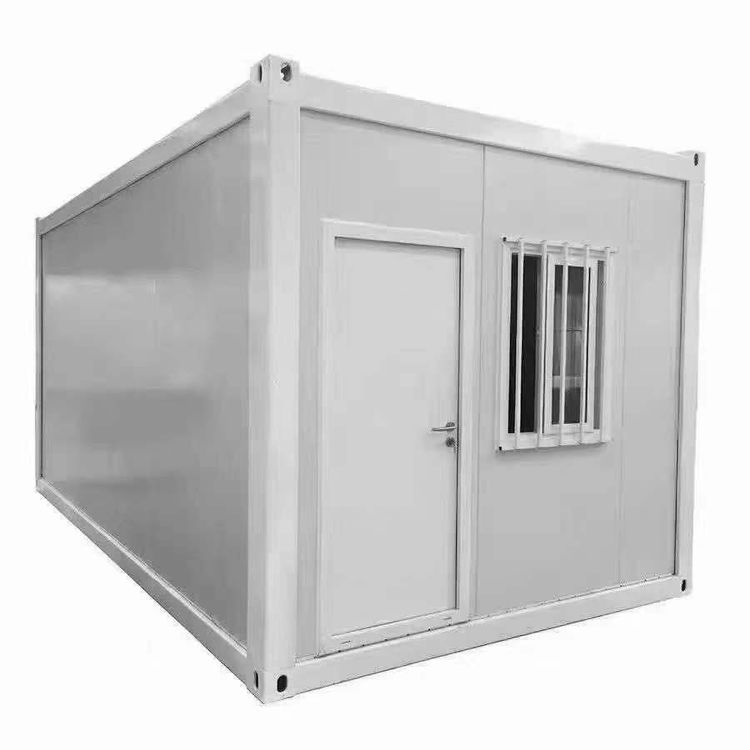
Tangxian Mobile Toilet Restroom
The Tangxian mobile toilet restroom primarily serves short-term outdoor gatherings and on-site operations in specific industries, addressing temporary public sanitation needs through modular design and rental services.

I. Service Scenarios and Demand Adaptation
The core scenarios for Tangxian mobile toilet rentals include two categories:
- Short-term outdoor gatherings: Such as temple fairs, markets, agricultural product trade shows, and other traditional folk or commercial events. These events attract concentrated crowds but last for a short duration (usually a few days), and venues often lack fixed sanitation facilities. Mobile toilets can quickly fill this service gap, preventing order disruptions or environmental pollution caused by difficulties in accessing restrooms.
- On-site operations in specific industries: Such as construction projects in remote areas, film and television shoots, and temporary exploration activities. These scenarios often face challenges like complex terrain and weak infrastructure. The modular design of mobile toilets can adapt to different terrains (e.g., slopes, sandy areas) and reduce environmental interference through simple sewage disposal solutions (e.g., suction-based waste collection).
II. Configuration Logic and Technical Implementation
The deployment of mobile toilets requires a comprehensive consideration of physical parameters and population behavior characteristics:
- Physical parameters: These include the duration of the event, venue size, terrain flatness, and distance to water supply/sewage connection points. For example, a film and television shoot on rugged terrain may require lightweight, crane-liftable composite structure toilets, while an agricultural product trade show with ample water supply can prioritize water-flush toilets.
- Population behavior characteristics: These encompass peak occupancy, gender ratio, and differences in restroom usage frequency. For temple fairs primarily attended by families, the proportion of barrier-free stalls or family restrooms should be increased; for construction sites, equipment durability should be emphasized, and dry-pack toilets should be adopted to simplify sewage disposal.
Technically, mobile toilets rely on modular design and rapid deployment capabilities, with core components including water storage systems, waste collection systems, ventilation systems, and structural frameworks. They can be classified by structural form into single-unit structures (independent units) and composite structures (multi-unit combinations); by mobility into crane-lifted types and powered trailer types; and by sewage treatment into water-flush types, recirculating water-flush types, and dry-pack types, allowing flexible matching to different scenarios.
III. Social Value of Rental Services
The Tangxian mobile toilet rental service achieves efficient resource utilization through a full-chain operation (supply, transportation, installation and maintenance, recovery and cleaning):
- Environmental benefits: Reduces random sewage discharge, lowers the risk of soil and water pollution, and prevents the spread of intestinal infectious diseases.
- Economic efficiency: Compared to building fixed toilets, the rental model saves significant construction and maintenance costs, especially for temporary demand scenarios.
- Public health protection: Provides facilities that meet basic sanitation standards for gathered crowds, maintaining event order and basic environmental hygiene.