Types of Mobile Toilets in Tangshan
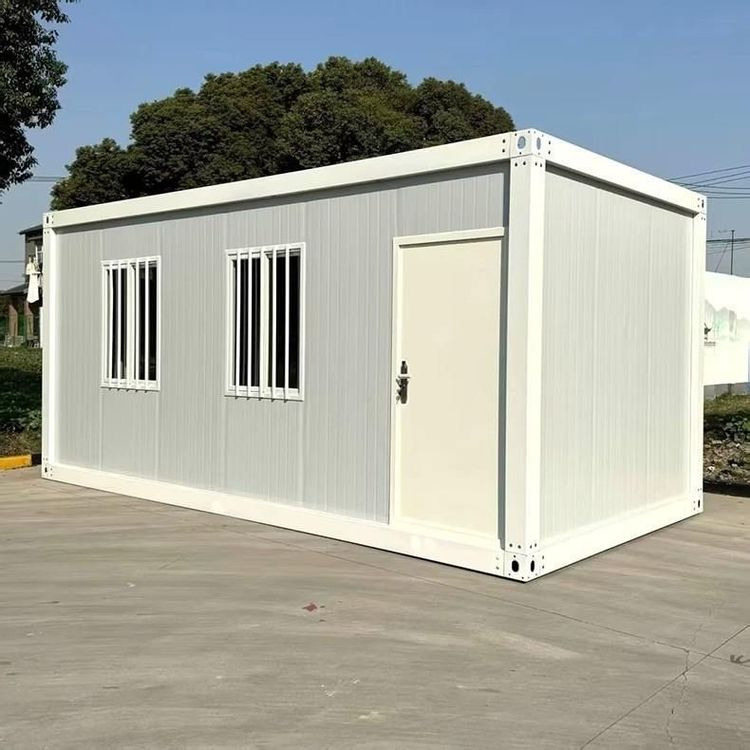
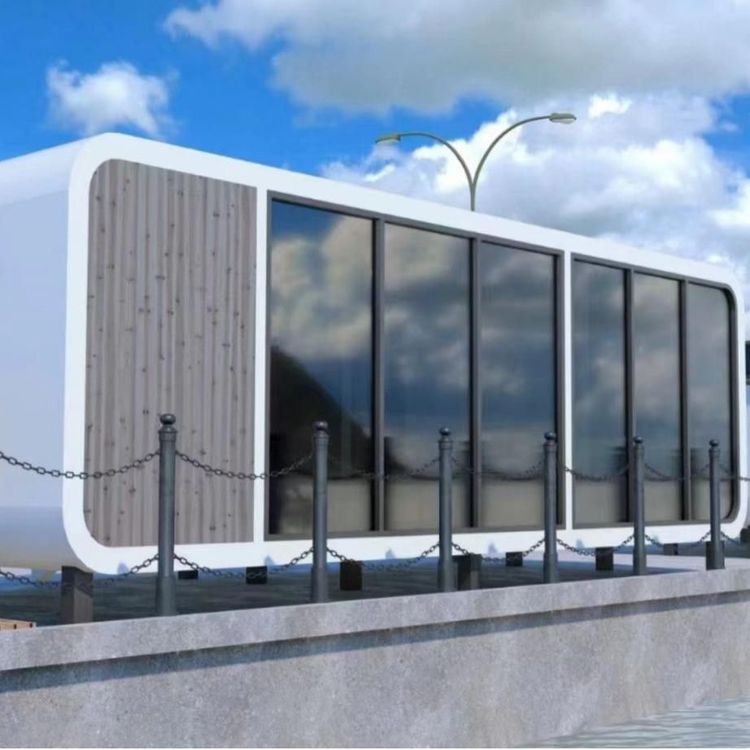
Mobile toilets in Tangshan come in a rich variety, covering multiple structural forms and functional designs, primarily divided into two major categories: dismountable structural types and functionally targeted types.

Dismountable structural types are centered around modular design, facilitating easy transportation and rapid assembly. Dismountable water-flush toilets employ traditional water-flush technology, using water tanks or municipal water supply systems to flush feces. They are suitable for locations with water sources, such as city streets and scenic area entrances, offering high cleanliness and low odor, but requiring regular maintenance of water supply and sewage pipes. Dismountable direct-discharge dry toilets do not require a water source; feces fall directly into a storage tank and are periodically emptied and treated. They are suitable for water-scarce or temporary scenarios, such as construction sites and outdoor activities, but require attention to odor control and sanitation management. Dismountable half-ton toilets typically refer to mobile toilets equipped with small storage tanks, with a capacity of about half a ton, combining features of water-flush and dry toilets. They are suitable for areas with moderate foot traffic, such as small parks and markets, requiring a balance between water usage and emptying frequency. Dismountable waterless packing toilets use biodegradable plastic bags to collect feces, eliminating the need for water flushing and sewage systems. They are suitable for extreme environments without water sources or sewage pipes, such as deserts and plateaus, offering environmental friendliness and flexibility, but requiring regular replacement of packing bags.
Functionally targeted types are optimized based on specific needs. Ordinary mobile toilets are equipped with basic facilities such as toilets, sinks, and lighting, meeting daily usage requirements and widely used in public places like parks, squares, and stations, focusing on practicality and cost-effectiveness. Barrier-free mobile toilets are designed for special groups such as the disabled and elderly, featuring more spacious interiors and equipped with auxiliary facilities like handrails, low-positioned sinks, and emergency call devices to ensure safe and convenient use, reflecting humanistic care. Water-saving mobile toilets reduce water consumption by optimizing flushing systems (such as foam sealing and vacuum suction), suitable for water-scarce areas or scenarios with high water-saving requirements, such as arid regions and environmental protection demonstration areas. Anti-freezing mobile toilets are designed for cold climates, using insulation materials, electric heating devices, or antifreeze to prevent pipe freezing, ensuring normal winter use, suitable for northern regions or high-altitude cold zones.