
Tanghe Steel Structure Container House
Tanghe steel structure container houses, represented by the products of Nanyang Huiya Steel Structure Co., Ltd., are characterized by flexible design, wide application, and efficient construction.
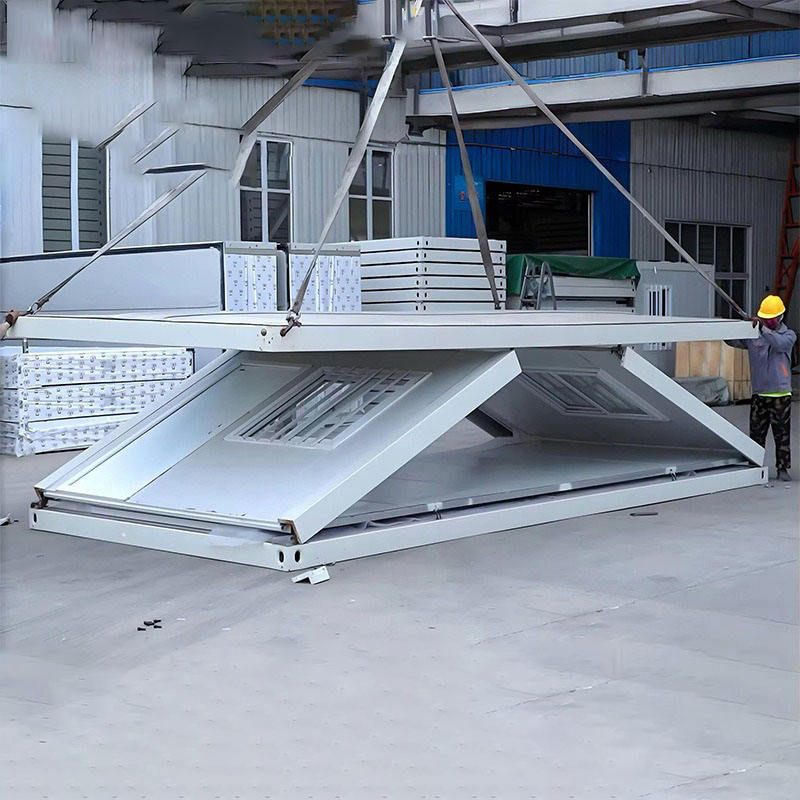
I. Product Types and Customization Services Steel structure container houses in the Tanghe area are mainly produced by Nanyang Huiya Steel Structure Co., Ltd. The product range includes K-type portable houses, flat-top portable houses, container portable houses, and light steel structure villas. Their core advantage lies in customization, allowing for the design of non-standard or uniquely shaped houses according to customer needs, such as temporary on-site dormitories, office buildings, sentry boxes, and fences. Additionally, the company offers mobile container house rental services to meet short-term usage requirements.
II. Material and Process Characteristics
- Structural Safety: These houses combine light steel frames with sandwich panels (e.g., rock wool, polyurethane). The steel thickness typically ranges from 1.6mm to 2.0mm, complying with the national "Steel Structure Design Code." Node connections use high-strength bolts or welding processes to ensure wind and earthquake resistance (up to over 12 levels).
- Environmental Protection and Durability: The sandwich materials pass flame-retardant tests (oxygen index ≥ 32), and anti-corrosion treatment processes (e.g., sandblasting and rust removal, special paints) extend the service life, adapting to high-humidity or large temperature difference environments.
- Rapid Installation: Modular design supports standardized interface connections, eliminating the need for on-site welding during installation. Construction time is reduced by approximately 60% compared to traditional buildings, and the houses can be repeatedly disassembled and assembled, with a material recovery rate exceeding 85%.
III. Application Scenarios and Advantages
- Temporary Buildings: Widely used for on-site dormitories, office command centers, and material warehouses, meeting the needs for rapid construction and flexible relocation.
- Commercial and Cultural Tourism: They can serve as scenic area homestays, creative commercial spaces (e.g., bookstores, cafes), or emergency disaster relief shelters, revitalizing idle spaces.
- Cost Control: The main costs are transparent, and operational and maintenance costs are lower than those of traditional brick-and-mortar structures, making them particularly suitable for projects with limited budgets.
IV. Technical Management Support Some enterprises introduce BIM technology to achieve information sharing during stages such as detailed design, material procurement, and on-site installation, reducing redundant modeling and enhancing collaboration efficiency. For example, Huiya Company integrates project progress and cost data through BIM models to optimize construction management processes.



