Taizhou Street Mobile Toilet Design
The design of mobile toilets on Taizhou Street requires a comprehensive consideration of basic facilities, material selection, and design principles to achieve a convenient, economical, environmentally friendly, and user-friendly experience.

Basic Facility Configuration
The core function of mobile toilets is to meet basic sanitation needs, so they must be equipped with basic facilities such as compartments, toilets, and sinks. Some high-end models further enhance the experience by installing flushing devices to improve cleanliness or providing hand soap and hand dryers as supplementary equipment. Additionally, for special scenarios (such as scenic spots or large-scale events), barrier-free facilities or baby care stations can be added to expand the range of applicable users.
Material Selection and Structural Optimization
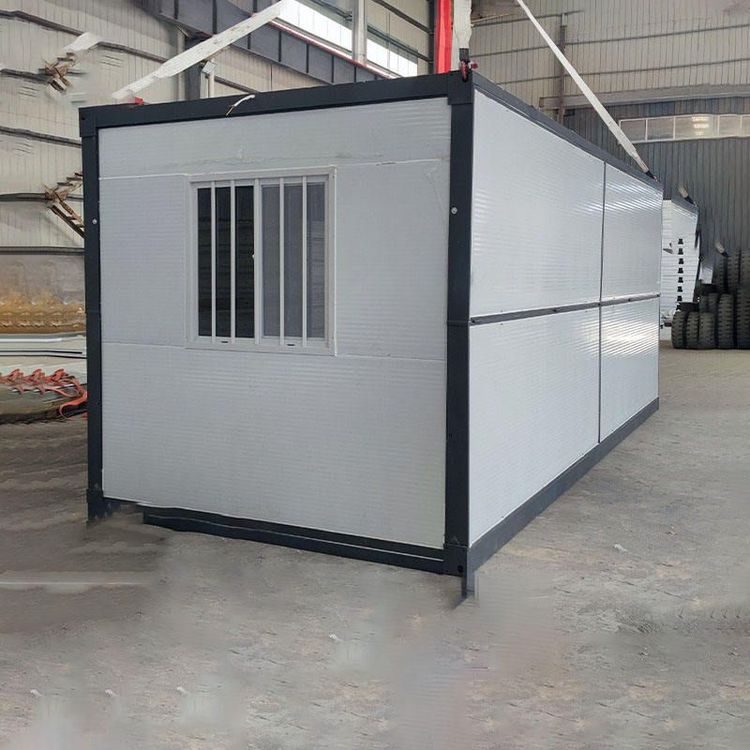
Materials must balance lightweight, durability, and environmental friendliness. Commonly used materials include color-coated steel plates, metal carved panels, anti-corrosion wood, and aluminum-plastic panels, which are lightweight, easy to process, and facilitate transportation and rapid installation. Structurally, the height and width must be controlled to ensure that mobile devices (such as trailers or lifting structures) can stably support them; at the same time, a modular design is adopted to allow the toilets to be disassembled and reassembled, adapting to temporary or long-term use needs in different locations.
Practical Application of Design Principles
- Mobile Convenience: The overall structure must be lightweight and sturdy, with priority given to lightweight and high-strength materials to reduce self-weight; mobile devices (such as wheels or towing hooks) must be reasonably laid out to ensure that a single person can operate and move them.
- Economic Durability: Costs must be controlled while meeting functional requirements, such as selecting cost-effective materials or using standardized components to reduce maintenance costs; at the same time, anti-corrosion treatment is applied to extend service life.
- Environmental Ecology: Promote ecological toilet technologies, such as adopting waterless flushing designs (using biodegradable materials to treat excreta) or recirculating water systems to reduce water consumption; some solutions are also equipped with sewage treatment devices to achieve wastewater recycling and reduce environmental pollution.
- Humanized Efficiency Enhancement: Optimize spatial layout (such as increasing ceiling height and enlarging ventilation openings) to reduce a sense of oppression and odors; dynamically adjust the ratio of male and female toilet stalls according to usage scenarios (such as ensuring that female stalls account for no less than 60%) to shorten waiting times; in addition, lighting, deodorization equipment, or intelligent monitoring systems can be added to enhance user comfort and management efficiency.
The design of mobile toilets on Taizhou Street must balance functionality and practicality. Through scientific planning of facilities, materials, and principles, it can not only meet basic public sanitation needs but also reflect the refinement and humanistic care of urban management.