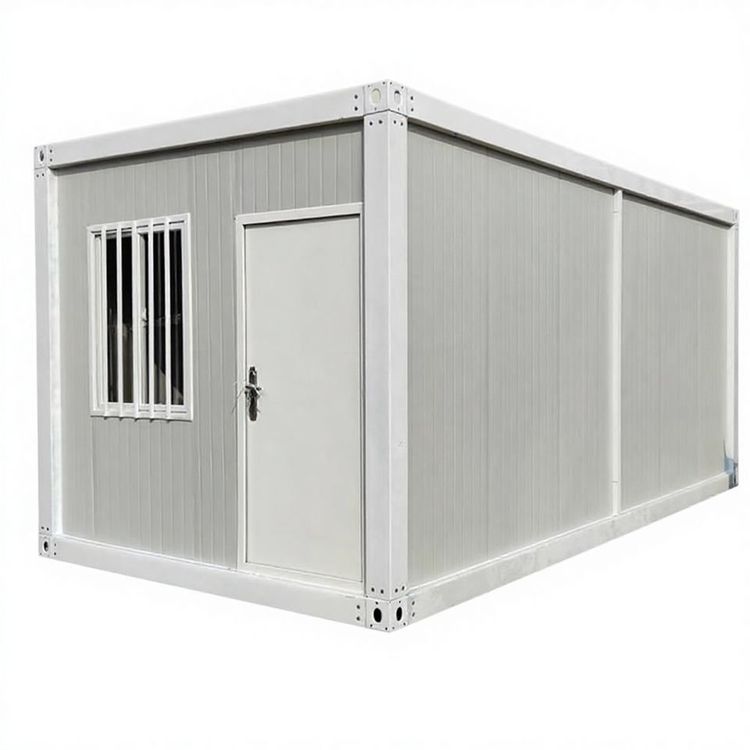
Taizhou Public Mobile Toilet Materials
Common materials for public mobile toilets in Taizhou include color-coated steel plates, stainless steel, FRP (fiberglass-reinforced plastic), wood materials, and metal carved panels. The specific choice should be made by comprehensively considering the usage scenario, budget, and aesthetic requirements.

1. Color-Coated Steel Plates
Color-coated steel plates are one of the widely used materials for public mobile toilets in Taizhou, with core advantages such as lightweight, easy installation, and low cost. These plates are composed of a colored coating layer on steel plates and a core material, with the surface coating effectively preventing rust and the core material, often polystyrene or rock wool, providing thermal insulation. Such materials are suitable for temporary event venues, construction sites, and other scenarios, with their modular design facilitating rapid assembly and disassembly to meet short-term or mobile needs. However, it should be noted that color-coated steel plates have relatively weak corrosion resistance and require enhanced surface protection when exposed to humid or high-salt-mist environments (such as coastal areas) for extended periods.
2. Stainless Steel
Stainless steel is renowned for its high strength, corrosion resistance, and durability, with a smooth surface that is easy to clean, meeting the high hygiene standards of public places. Its modern and simple appearance makes it suitable for parks, squares, scenic spots, and other scenarios with high aesthetic requirements. Stainless steel mobile toilets typically use 304 or 316 grades, with the latter containing molybdenum for stronger resistance to chloride ion corrosion, making it more suitable for seaside or high-humidity environments. Although the initial cost is relatively high, the long-term maintenance cost is low, with a service life of over 10 years, offering excellent overall cost-effectiveness.
3. FRP (Fiberglass-Reinforced Plastic)
FRP materials are formed by compounding glass fibers with resin, featuring lightweight, high strength, corrosion resistance, and aging resistance. Their strong moldability allows for the design of streamlined or natural-looking shapes, meeting the aesthetic needs of tourist attractions, seaside areas, and other complex environments. Additionally, the smooth surface of FRP does not easily adsorb stains, making cleaning and maintenance convenient. However, it should be noted that this material is sensitive to ultraviolet light, and long-term outdoor use requires the addition of ultraviolet inhibitors or protective coatings to delay aging.
4. Wood Materials
Wooden mobile toilets often use preservative-treated wood, which has been specially treated to possess insect and moisture resistance, naturally blending into park, resort, beautiful village, and other scenic environments to create a warm atmosphere. However, their durability is relatively weak, requiring regular maintenance (such as applying preservative paint) to extend their service life. Wooden structures are more suitable for low-frequency usage scenarios or as landscape supporting facilities rather than high-traffic public areas.
5. Metal Carved Panels
Metal carved panels use galvanized steel plates as the base material, with three-dimensional patterns carved on the surface through CNC machining, combining the strength of metal with decorative properties. Such materials have strong weather resistance and are suitable for high-end scenic spots or iconic urban areas, enhancing building recognition through pattern design. However, they are relatively costly and have complex processing techniques, typically used for projects with stringent aesthetic and quality requirements.
Selection Advice: Prioritize color-coated steel plates for temporary scenarios; choose stainless steel for areas with high hygiene standards; select FRP or wood for complex environments or landscape needs; and consider metal carved panels for high-end projects. When making actual purchases, a comprehensive assessment should be made based on the budget, maintenance capabilities, and usage frequency.