
Back to blog
Article
Taizhou Park Mobile Toilet Production
Admin September 28, 2026
The production of mobile toilets for Taizhou parks requires the integration of professional company services, technical requirements, and customized design adaptation logic, as detailed below:
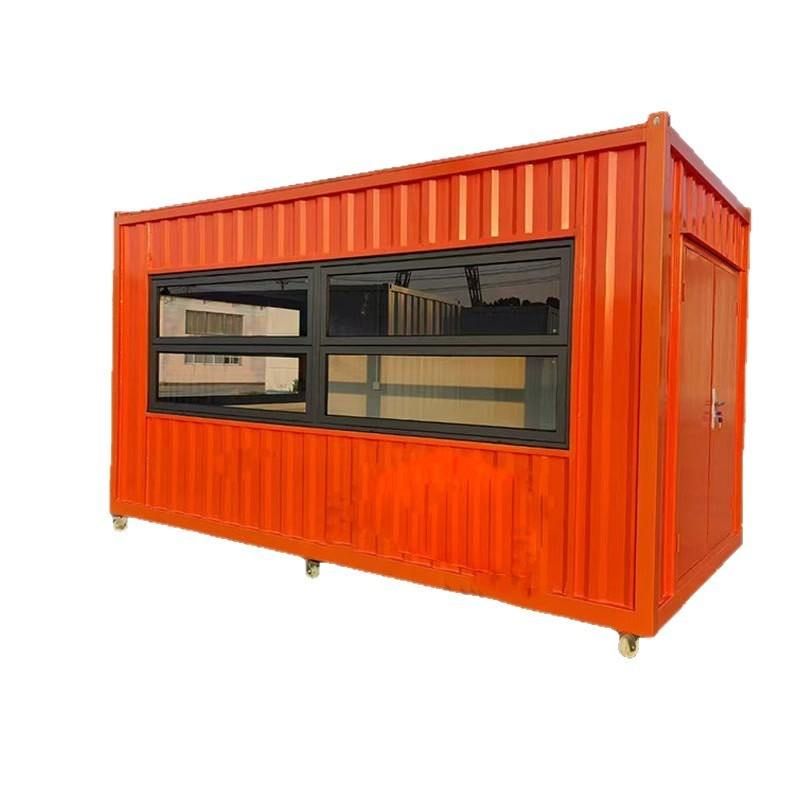
I. Selection of Production Companies
- Shanghai Fengshui Environmental Protection Technology Co., Ltd.: Offers customization and leasing services, with products covering types such as color-steel, imported plastic suction, waterless intelligent packing, metal carved, water-flush direct discharge, and garden landscape toilets, meeting the diverse needs of parks.
- Yongkang Xincheng Steel Structure Engineering Co., Ltd.: Uses galvanized steel pipes and metal carved panels as materials to process and customize mobile toilets suitable for events, residential areas, shopping malls, and other scenarios. The specifications are 1100x1100x2200, equipped with switches, LED lights, sinks, and other facilities, with a one-year warranty.
II. Core Technical Requirements
- Structural Design: Adopts a prefabricated light steel frame system, with factory-prefabricated modules installed on-site, shortening the construction period to within two weeks. The frame must meet wind resistance standards of Level 12 and earthquake resistance standards of Level 10. In mountainous or coastal environments, multi-layer waterproof trough technology is required to prevent leakage, and the insulation system uses 50mm thick rock wool or polyurethane materials.
- Intelligent Sensing System: The automatic opening and closing device of the disposal port realizes non-contact operation through infrared sensing. The intelligent monitoring module uploads data such as usage frequency and remaining consumables in real-time to assist in dynamic scheduling in scenic spots.
- Sanitation Maintenance System: Built-in ozone disinfectors sterilize at regular intervals. The exhaust fan and ventilation system form an air circulation channel. Mosquito and fly traps use specific wavelength light sources for ecological pest control. Anti-static floor materials facilitate daily cleaning.
III. Customized Design Adaptation Logic
- Geographical Environment Adaptation: Modular design is adopted in mountainous scenic spots to reduce terrain modification. In areas without municipal sewage networks, an intelligent biodegradation treatment system is integrated to decompose excreta through bacterial strains. In remote scenic spots, an air-to-water system can be integrated to solve water supply problems.
- Visitor Flow Characteristics Matching: The number of toilet stalls and spatial layout are designed according to the average daily reception volume. For high-frequency usage scenarios, corrosion-resistant materials such as galvanized sheets, aluminum sheets, or stainless steel are selected. Intelligent equipment configurations are flexible, ranging from induction lighting to facial recognition management systems, forming multi-level solutions.
IV. Functional Feature Selection
- Waterless Intelligent Packing Type: Excreta are collected by biodegradable plastic bags, which are automatically replaced with new ones after each use, saving water resources and facilitating waste collection.
- Foam Block Type: Uses a foam liquid mixture instead of flushing water. Foam is delivered through sidewall foam channels and compressed air to cover the inside of the toilet bowl, achieving significant water-saving effects.
- Microbial Degradation Type: After solid-liquid separation of excreta, feces enter a fermentation tank and are decomposed by microorganisms into CO₂ and H₂O. Urine is treated through aeration and evaporation, with a high degradation rate and environmental friendliness.
Related



