
Taizhou Garden Mobile Toilet
If mobile toilets are needed in Taizhou Garden, environmentally friendly or functionally upgraded mobile toilets can be selected as temporary sanitation facility solutions. The following provides an explanation from four aspects: applicable scenarios, product types, functional configurations, and selection suggestions.
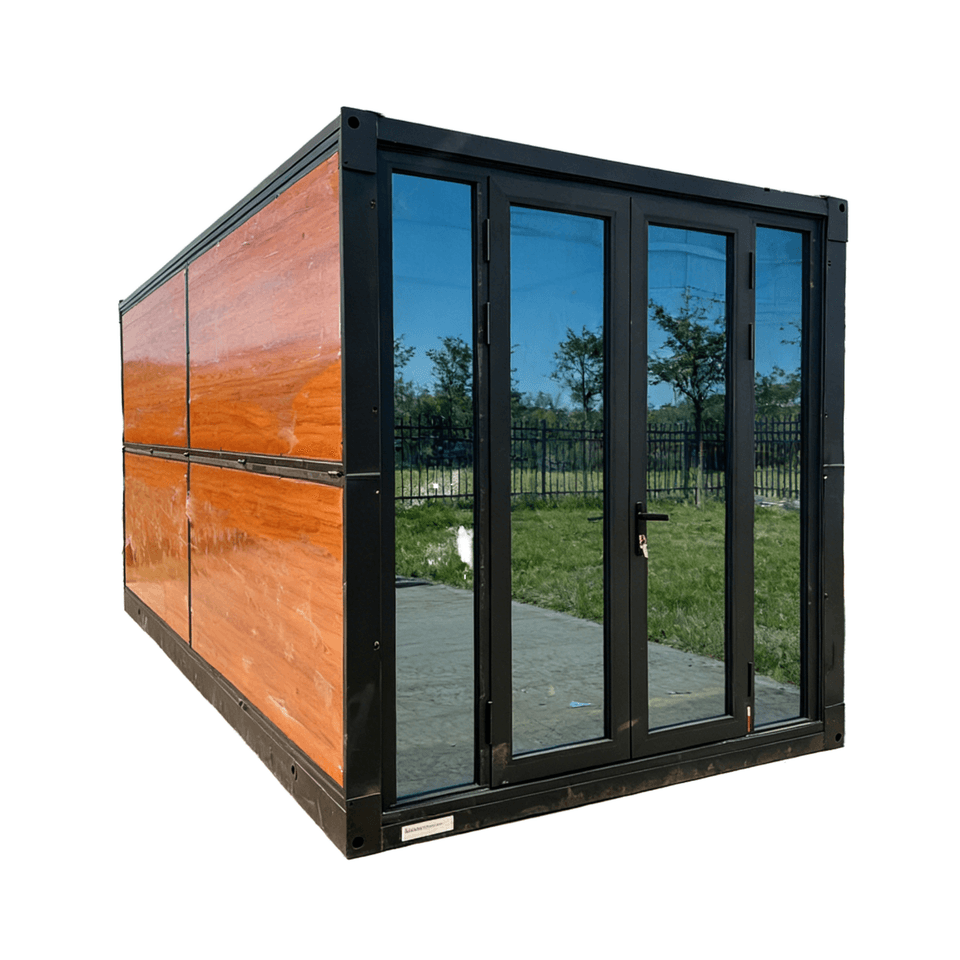
1. Applicable Scenarios and Core Needs
As a public recreational space, Taizhou Garden may host large-scale events (such as flower exhibitions, music festivals) or undergo short-term construction renovations. Traditional fixed toilets may not meet the demand due to insufficient capacity or fixed locations. The flexibility and rapid deployment capability of mobile toilets can effectively solve this problem while avoiding long-term damage to the garden's landscape. Applicable scenarios include:
- Temporary Events: Such as festival celebrations and open-air markets, where there is a need to quickly increase the number of toilet stalls;
- Emergency Support: Such as during public health emergencies or when fixed toilets are under maintenance, providing temporary alternatives;
- Long-term Supplement: In remote areas of the garden or during peak visitor periods, serving as supplementary facilities to fixed toilets.
2. Product Types and Material Selection
According to reference information, mobile toilets in Taizhou mainly fall into two categories:
- Basic Environmentally Friendly Toilets: These use lightweight materials (such as metal frames + color steel plates) or environmentally friendly materials (such as biodegradation technology), with basic toilet functions suitable for short-term use. Their advantages lie in low cost and fast installation, and some models support recycled water flushing or waterless packaging technology, reducing water consumption.
- Overall Finished Temporary Public Toilets: These are mostly designed for outdoor use, with materials including anti-corrosion wood, fiberglass, or high-strength plastics. Their appearance can be customized to coordinate with the garden's landscape (such as imitating natural colors, curved roofs). These toilets have good sealing and strong durability, suitable for long-term placement or high-frequency use scenarios.
3. Functional Configurations and Upgrade Options
The functional needs of mobile toilets in garden scenarios may exceed basic configurations, requiring upgraded models based on the actual user group:
- Barrier-Free Access: If there are elderly or disabled visitors in the garden, barrier-free toilets with handrails and ramps should be provided, with a recommended width of ≥90cm;
- Maternity Care Stations: Gardens with a large number of family visitors can add independent maternity rooms equipped with foldable care stations, safety seats, and private partitions;
- Smart Management Systems: High-end models can integrate smart monitoring (such as toilet stall occupancy indicators, air quality detection) or automatic cleaning devices to enhance the user experience.
4. Selection Suggestions and Precautions
- Capacity Matching: Estimate the required number of toilet stalls based on the garden's average daily visitor volume (usually configured at a ratio of 1:50-1:100);
- Location Planning: Avoid placing near dining areas or children's play areas, while ensuring good ventilation and easy access for cleaning vehicles;
- Maintenance Services: Prioritize manufacturers that provide regular cleaning, consumable replenishment, and fault repair services to ensure the long-term usability of the facilities.
If the garden is located within a scenic area or park, refer to some manufacturers' cases of "landscape integration design" and choose appearance styles that coordinate with the surrounding environment to reduce visual intrusion.



