
Taizhou Emergency Mobile Toilet
Taizhou Emergency Mobile Toilet provides temporary sanitation solutions for public events or emergency scenarios, featuring modular design, multi-scenario adaptability, and environmental friendliness. The following sections elaborate on its core components, service processes, technical advantages, and typical application scenarios:
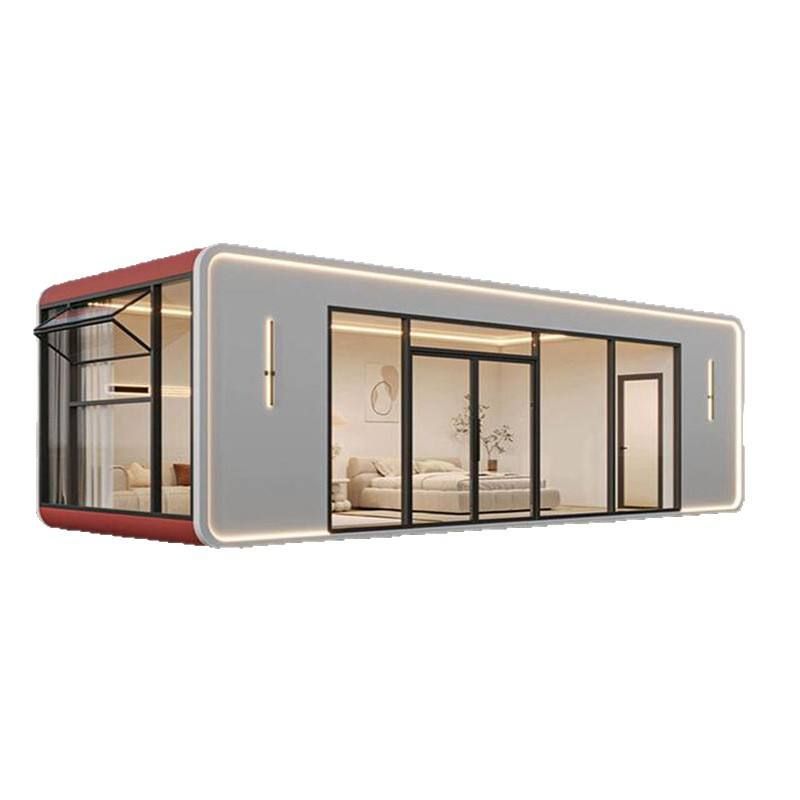
Physical Structure and Functional Implementation
The mobile toilet adopts a modular design, with each unit being an independent transport entity. Its shell is made of high-strength composite materials, and internally, it integrates a toilet, temporary sewage storage device, ventilation opening, and lighting facilities. It can be rapidly deployed outdoors or at temporary construction sites without relying on on-site sewage networks or water and electricity lines. There are various methods for waste treatment: biological degradation uses microbial agents to decompose organic waste; chemical solidification adds agents to solidify and deodorize the waste; physical packaging and storage require subsequent cleaning services. The ventilation system reduces odors and humidity through natural convection or forced exhaust, maintaining a basic usage environment.
Service Process and Maintenance Standards
The rental process covers all aspects of demand assessment, transportation, installation, maintenance, and recycling. The service provider determines the number and type of units based on the number of users, duration, and site conditions, transports them to the site for positioning and installation, and implements a three-tier cleaning standard during use: basic cleaning every 6 hours, deep disinfection twice a day, and weekly pipeline flushing and sensor calibration, with cleaning records synchronized in real-time to the customer management terminal.
Technical Advantages and Environmental Adaptability
The equipment is标配 (standard equipped) with anti-rust coatings, UV-resistant aging-resistant shells, and double-layer insulated roofs. Internally, it integrates a constant-temperature ventilation system and an intelligent deodorization module. The water tank and sewage tank are equipped with liquid level sensors and anti-overflow alarms. The pipelines are made of corrosion-resistant PE materials, and the power supply supports both 220V mains power and small silent generators. Water-saving design uses water-saving certified fixtures, with a single flush volume of less than 4 liters. Some projects pilot rainwater collection modules, with annual water savings of over 15 tons per unit.
Green Concept and Resource Recycling
Materials are preferably selected from recyclable metals and bio-based composite panels. After primary sedimentation and microbial degradation, the sewage's COD value decreases by more than 60%, meeting the reuse standard for farmland irrigation. More than 92% of the components of retired equipment enter the renewable resource system, reducing the consumption of one-time facility construction and demolition.
Typical Application Scenarios
Large-scale cultural events emphasize high turnover rates and aesthetic coordination, with high-end units optionally equipped with solar power panels and Wi-Fi hotspots. Long-term construction sites require structural durability, with standard single rooms occupying less than 3 square meters and widened double-occupancy models meeting high foot traffic demands. Disaster emergency scenarios require rapid response and reliability under extreme conditions, with equipment featuring anti-rust, anti-aging, and all-weather operation capabilities. The service provider is Nanjing Mobile Toilet Rental (Taizhou region), with contact person Manager Wu and phone number 18952062982, covering scenarios such as marathons, concerts, and construction sites.



