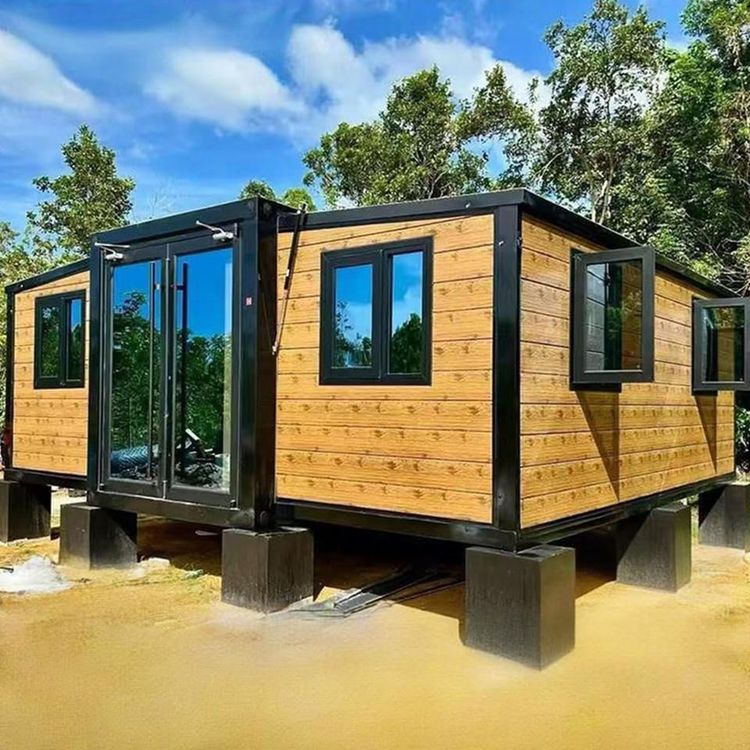
Taizhou Emergency Mobile Toilet Rental
Renting emergency mobile toilets in Taizhou requires comprehensive consideration of functionality, maintenance, transportation, adaptability, service, cost, and compliance. Specific plans can be obtained by contacting merchants such as Shanghai Chengfeng Environmental Protection Engineering Co., Ltd..

Basic Functional Modules: Mobile toilets integrate subsystems for sewage disposal, ventilation, and structural stability. Sewage disposal methods include suction, circulating water flushing, or biodegradation. Ventilation systems are divided into passive ventilation and forced exhaust. Structural materials need to be wind-resistant, thermally insulating, and have low wear and tear. For example, outdoor events should prioritize wind-resistant structures, while construction sites require highly durable materials.
Sanitary Maintenance Mechanisms: Cleaning and maintenance include disinfection, waste disposal, and consumable replenishment. Some merchants are equipped with real-time monitoring systems that use sensors to provide feedback on usage status, optimizing the scheduling of cleaning resources. For example, high-traffic scenarios require shorter cleaning cycles to avoid odors or blockages.
Transportation and Installation: Before deployment, it is necessary to assess the site's geological load-bearing capacity, drainage connections, and user flow. Transportation requires route planning to ensure compliance with road height and width restrictions. Installation efficiency depends on the degree of equipment modularity and team coordination. For example, complex terrains require prior site leveling to avoid installation delays.
Environmental Adaptability: Different scenarios have significantly different needs. Outdoor events require enhanced weather resistance, while construction sites need improved structural robustness and high-frequency usage tolerance. Additionally, exterior design, privacy protection, and accessibility configurations should align with the characteristics of the scenario. For example, large-scale events like music festivals require additional temporary pathways to facilitate crowd movement.
Service Response Models: Rental services include troubleshooting, equipment adjustments, and emergency repairs. The merchant's response efficiency depends on spare equipment inventory, technical staff allocation, and regional coverage networks. Contracts should specify response times, responsibility boundaries, and exception handling procedures. For example, sudden failures require arrival at the site within 2 hours to avoid disrupting usage.
Cost Structure: Rental fees consist of equipment usage fees, cleaning and maintenance fees, transportation and installation fees, and energy consumption. Long-term rentals may involve regular deep maintenance, while short-term rentals require confirmation of minimum rental periods and overtime charging rules. Hidden costs include subsequent steps such as water and electricity connections and site restoration. For example, some merchants calculate water and electricity fees separately, requiring prior negotiation.
Compliance and Safety Standards: Equipment must have structural safety certifications, sanitary permits, and environmental treatment qualifications. During procurement, merchants can be requested to provide test reports to verify compliance with public health management regulations. Safety standards cover details such as non-slip floors, fire-resistant materials, and electrical safety. For example, children's activity areas require additional anti-collision designs to prevent accidental injuries.