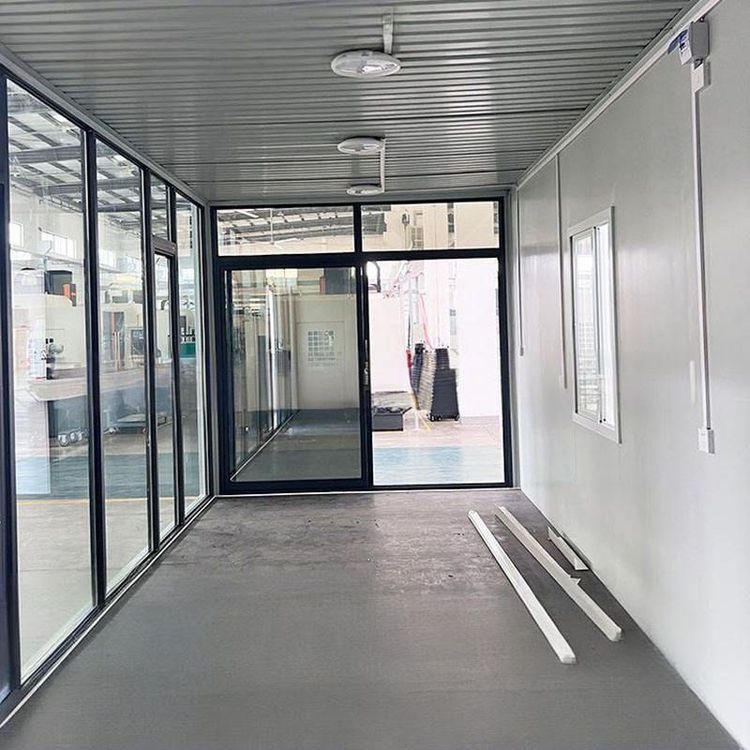
Taizhou Construction Site Portable Toilets
There are mainly two types of portable toilets at construction sites in Taizhou: container-type and trailer-type. When choosing, it is necessary to comprehensively consider factors such as the usage period, site conditions, and material requirements.

I. Form and Structural Characteristics
Container-type portable toilets adopt a steel frame structure with modular internal space design, capable of accommodating multiple independent compartments. They have a stable structure and are suitable for long-term use (such as outdoor projects lasting for several months). Their sewage discharge systems mostly use independent storage tanks for sewage. The flushing systems are divided into manual water pressure and electric circulation types. The ventilation systems can be natural or mechanical ventilation. LED light sources are commonly used for lighting, and the power supply methods include mains power access or independent battery packs. Trailer-type portable toilets are equipped with a movable chassis and can be relocated using towing equipment. Their internal configurations are simplified, making them suitable for short-term events or construction sites that require flexible deployment. Their sewage discharge systems tend to be integrated for easy and quick installation and disassembly.
II. Material and Stability Requirements
For coastal construction sites, due to high air humidity, stainless steel materials or steel materials that have undergone anti-rust treatment should be preferred to prevent corrosion. During typhoon seasons, stability can be enhanced through anchor bolts or counterweights. For construction sites in mountainous or hilly areas, in flat areas, forklifts can be used for direct placement. In complex terrains, segmented assembly is required to ensure the feasibility of transportation and installation.
III. Rental and Maintenance Points
Rental services should be formulated according to the usage period: short-term (within seven days) and long-term (several months) rental plans are different. Before transportation, it is necessary to confirm road traffic conditions. Before installation, the ground should be leveled and sewage discharge interfaces should be reserved. Daily maintenance includes sewage collection and treatment, cleaning and disinfection, and replenishment of consumables. Different rental companies have different maintenance cycles, so service content should be clarified in advance.
IV. Key Parameters and Customized Configurations
The capacity of the sewage storage tank should be determined based on the estimated number of users and the cleaning cycle. The capacity of the water tank is related to water-saving design. The structural size should take into account both transportation feasibility and usage comfort. The material thickness affects the structural strength and thermal insulation performance. Some rental services offer customized configurations, such as adjusting the number of squatting positions according to the male-to-female ratio at the construction site to meet actual needs.