
Taiyuan Cultural Tourism Mobile Toilets
During the May Day holiday, the Jinci Museum in Taiyuan's cultural tourism sector took a series of effective measures related to mobile toilets to address the issue of female tourists having difficulty finding restrooms.
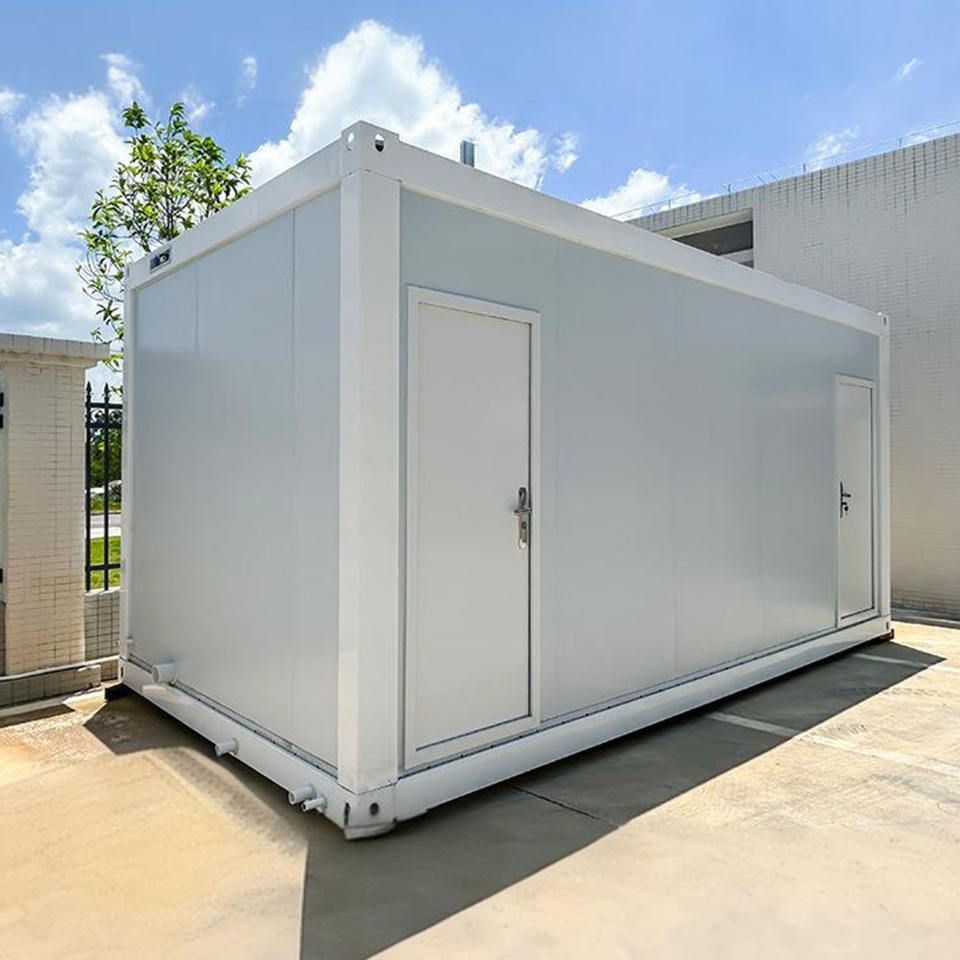
Firstly, deploying bus-mounted mobile restrooms as a supplement. The Jinci Museum prepared in advance a fully equipped and clean bus-mounted mobile restroom, using it as supplementary resources for female restrooms. This measure increased the overall capacity of female restrooms, providing a fundamental guarantee for handling peak tourist flows.
Secondly, flexibly adjusting restroom functions based on on-site conditions. The scenic area made flexible adjustments according to on-site traffic flow and usage efficiency, temporarily designating all restrooms at the entrance area exclusively for women and adjusting the bus-mounted mobile restroom for men's use, with clear directional signs posted. This dynamic adjustment method made restroom usage more reasonable and efficient, avoiding resource waste and queuing caused by unreasonable gender allocation.
Furthermore, diverting and guiding tourists to use other restrooms. The scenic area temporarily designated the less-used Wuyunting restroom for women and guided female tourists queuing nearby to use it. This approach achieved tourist diversion and pressure relief, further easing the pressure on female restrooms at the entrance area.
These measures achieved remarkable results. After optimization and adjustment, the average daily reception capacity of restrooms at the Jinci entrance area significantly increased, with the average daily reception volume rising from 3,000 to 5,000 people, effectively eliminating long queuing times for female tourists and improving tourist passage efficiency and visiting experience. The practices of the Jinci Museum in Taiyuan's cultural tourism sector provide valuable references for other scenic areas in addressing tourist restroom issues during peak tourist flows, reflecting the scenic area's attention to tourist needs and a proactive attitude towards problem-solving.



