
Taipei Outdoor Portable Toilet Production
Outdoor portable toilets in Taipei are typically produced by professional factories specializing in the design, production, and assembly of portable toilets, although detailed information on specific manufacturers in the Taipei area has not been found. The following outlines the general production considerations for outdoor portable toilets, covering production processes, material selection, and functional integration:
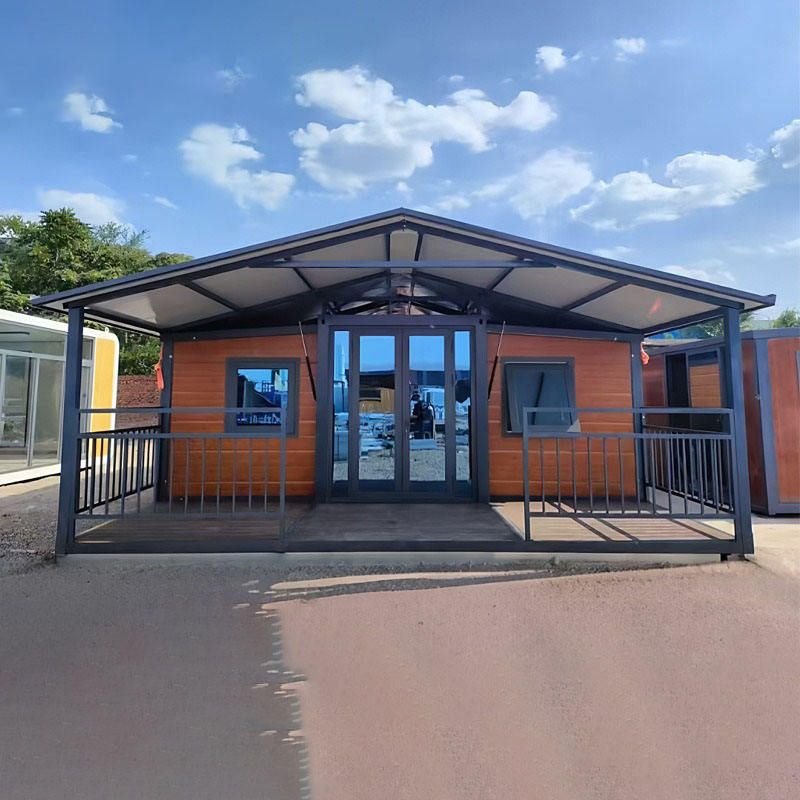
Production Process The production of outdoor portable toilets follows a standardized process, encompassing structural design, material processing, assembly, and inspection. Initially, factories design the structure based on customer requirements, determining the material and dimensions of the main frame. For example, in coastal or high-humidity areas, galvanized steel or 304 stainless steel with superior corrosion resistance is preferred; in cold regions, enhanced thermal insulation layers are designed. During the material cutting and forming stage, outer layer materials such as high-strength galvanized steel sheets, stainless steel sheets, or aluminum-plastic panels require precise processing to ensure dimensional accuracy, while internal filling materials like fire-resistant rock wool are uniformly filled to balance sound insulation and thermal insulation. The assembly phase emphasizes modular production, achieving an overall waterproof rating of IP65 or higher through specialized sealing strips and structures, ensuring long-term use in outdoor environments.
Material Selection The main frame material is customized according to the usage environment: coastal areas require corrosion-resistant galvanized steel or 304 stainless steel, while cold regions necessitate increased insulation layer thickness. Among outer layer materials, high-strength galvanized steel sheets are cost-effective and durable, stainless steel sheets offer superior corrosion resistance, and aluminum-plastic panels combine lightness and aesthetics. Internal filling materials primarily consist of fire-resistant rock wool, with its density and thickness directly affecting sound insulation and thermal insulation effects. The sealing structure employs specialized sealing strips and waterproof designs to prevent leakage in heavy rain or humid environments.
Functional Integration Basic functions include toilets, sinks, ventilation systems, and lighting equipment to meet fundamental usage needs. Intelligent optional features enhance the user experience, such as sensor-based flushing systems to reduce contact contamination, overflow alarms to prevent sewage spillage, and air purification devices to improve internal air quality. Some high-end products also integrate solar power systems, suitable for remote areas without electricity supply.
Inspection Phase After production, multiple inspections are conducted, including waterproof testing (simulating heavy rain conditions), electrical system safety checks (ensuring effective leakage protection), and appearance quality inspections (surface flatness, coating uniformity, etc.), to ensure compliance with industry standards.



