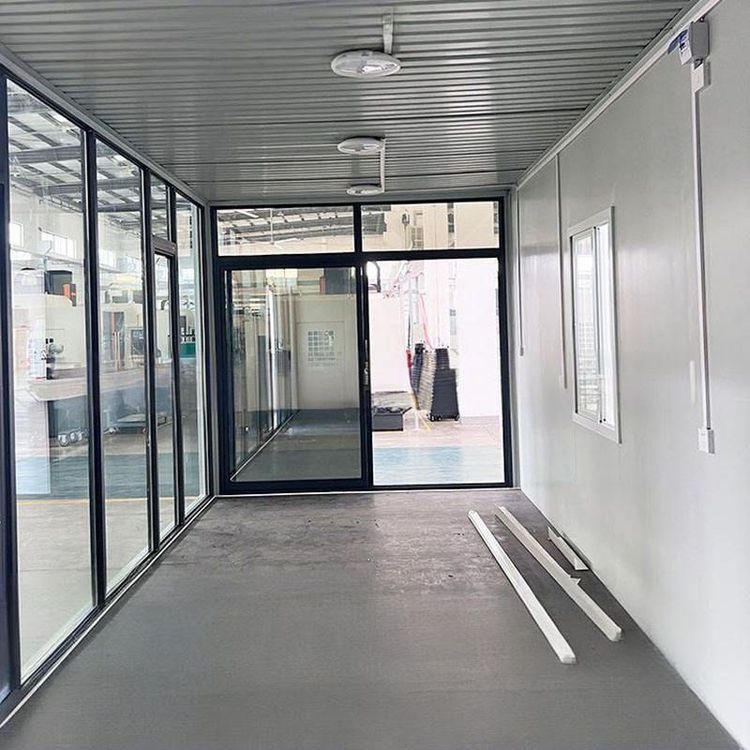
Taimei Town Portable Toilets
Currently, there is no detailed public information available regarding the specific implementation of portable toilets in Taimei Town, but a general analysis can be conducted based on the common characteristics of portable toilets and the relevant management functions of Taimei Town.

Portable toilets, as temporary public health facilities, are characterized by their portability and flexible deployment capabilities. Based on structural form, they can be divided into single-unit structures (independent units) and composite structures (multi-unit combinations). In terms of mobility, they include lifting and handling types (requiring mechanical assistance) and powered towing types (self-propelled). Regarding sewage treatment technology, they are categorized into flush types (requiring supporting sewage pipes), non-flush suction types (relying on vacuum sewage trucks for removal), recirculating flush types (achieving water resource recycling through biodegradation or membrane filtration), and dry packing types (feces mixed with degrading materials for centralized treatment). These technological solutions are all oriented towards resource conservation and environmental friendliness. For example, non-flush types reduce water usage by adding biodegradable agents, and foam sealing types use foaming liquid to cover fecal surfaces and suppress odors, meeting the water-saving and recycling requirements of eco-friendly portable toilets.
From the perspective of Taimei Town's management functions, the areas of environmental sanitation and municipal construction management, overseen by Deputy Mayor Huang Kaifan, may involve the planning and implementation of portable toilets. For instance, in temporary venues such as tourist attractions, gardens, or large-scale events (e.g., sports events, entertainment performances), portable toilets can quickly supplement the coverage gaps of fixed public toilets. Their deployment requires consideration of foot traffic forecasts, sewage disposal conditions, and post-deployment maintenance. If recirculating flush or dry packing technologies are adopted, reliance on municipal sewage networks can be reduced, making them suitable for remote or infrastructure-weak areas. Conversely, flush types require prior planning of sewage connections and are suitable for well-equipped urban areas.
It should be noted that the selection of portable toilets must match the actual needs of Taimei Town. For example, during peak tourist seasons, tourist attractions may prioritize composite-structure toilets with appearances that harmonize with the landscape, equipped with intelligent monitoring systems to display usage status in real-time. In contrast, at temporary markets or construction sites, single-unit dry packing toilets are more advantageous due to their easy deployment and simple maintenance. Although there is currently no public data indicating that specific projects have been implemented in Taimei Town, considering its management functions, the planning and introduction of portable toilets in public space optimization or emergency support scenarios are highly feasible in the future.