Taierzhuang Mobile Toilet
Taierzhuang mobile toilets mainly include the Liwei 365 Zaozhuang mobile toilet rental service and the construction of smart toilets as part of the achievements of the 'Toilet Revolution'.

Liwei 365 Zaozhuang Mobile Toilet Rental Service
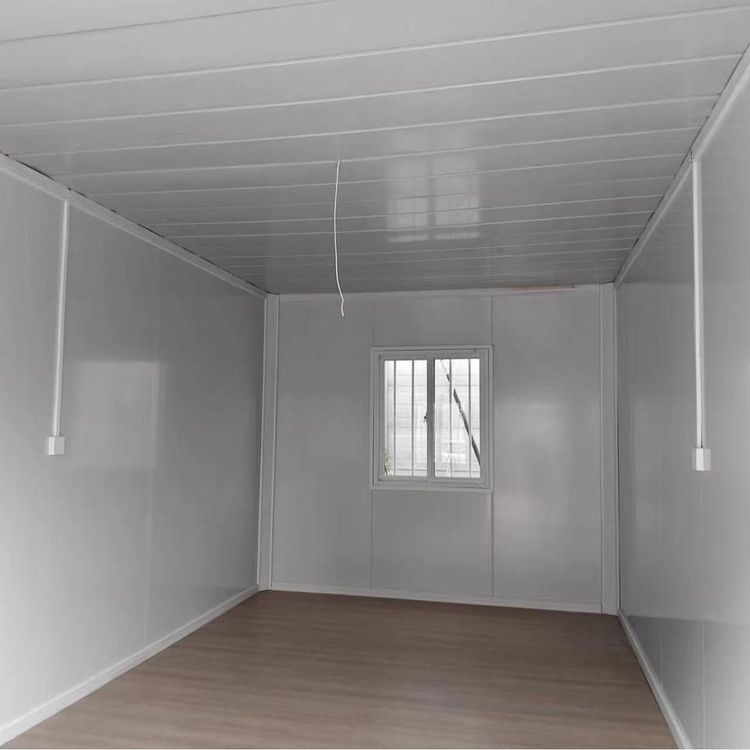
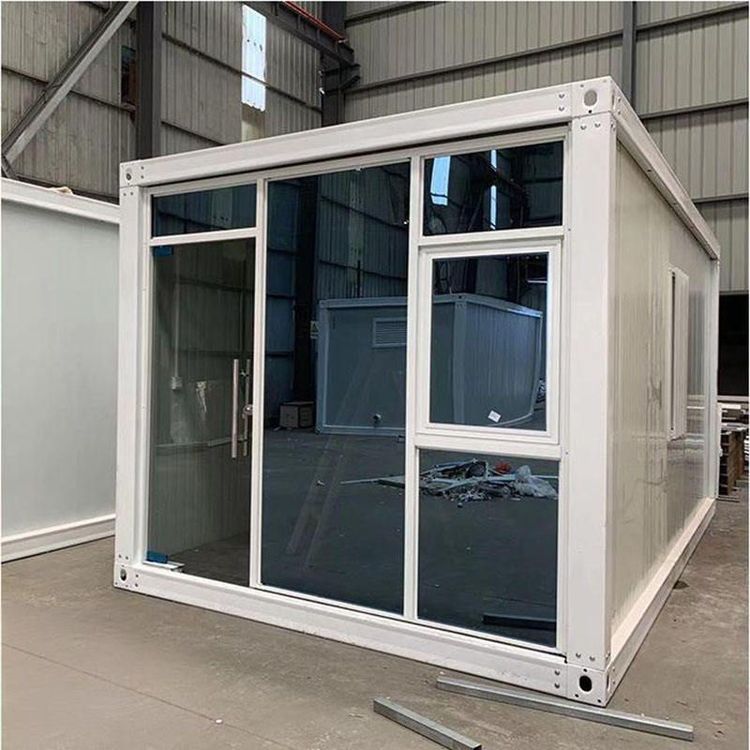
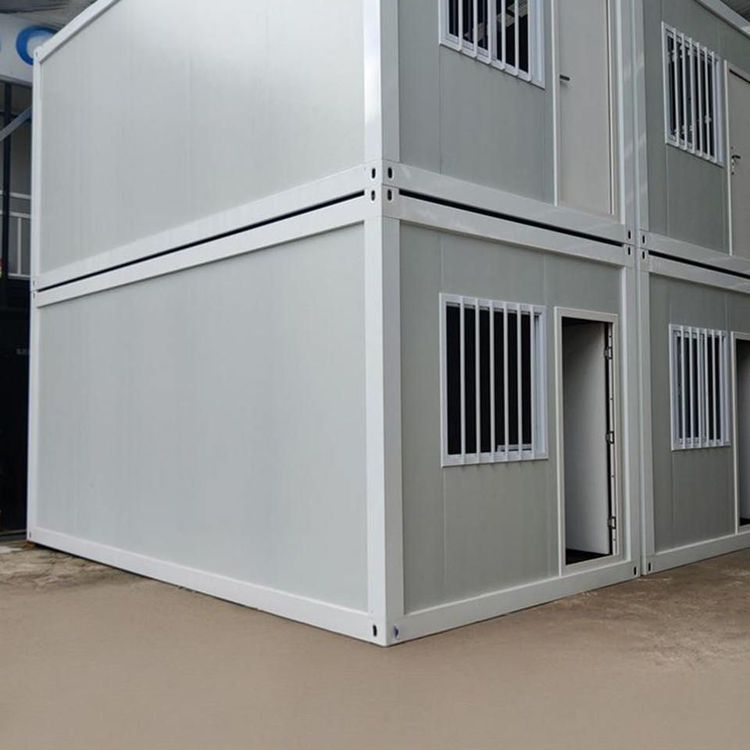
Liwei 365 Company has launched a mobile toilet rental service specifically for the ancient city of Taierzhuang, featuring a unique design. The design inspiration comes from the historical and cultural heritage of the ancient city, combining traditional elements with modern technology. The antique-style toilets boast both classical charm and practicality. In terms of functional features, they use eco-friendly materials and energy-saving designs to achieve environmental protection and energy efficiency. The interior facilities are comprehensive, ensuring hygiene and convenience. The exterior design is ingenious, harmonizing perfectly with the style of the ancient city and presenting an elegant appearance. The advantages are evident, offering a one-stop professional service from rental, installation, to maintenance. They can be customized according to actual needs, with quick responses and efficient operations. They are cost-effective, saving on the management costs of the ancient city. Rental fees are determined based on factors such as toilet model, quantity, and rental period. Installation and maintenance are handled by Liwei 365 Company, while cleaning is the responsibility of the ancient city management department, with Liwei 365 providing necessary support and guidance.
Smart Toilets in the Achievements of Taierzhuang District's 'Toilet Revolution'
Taking the 'Toilet Revolution' as an opportunity, Taierzhuang District has created a new model of toilet construction that is 'intelligent + humanistic + cultural'. In terms of technological empowerment, more than 10 smart toilets have been built, such as the one at Taierzhuang Sports School. Fifteen intelligent systems form a digital management system, with real-time data on electricity and water consumption monitoring and smart toilet stall sensors being fed into the urban management platform. Managers can monitor the operational status through mobile terminals, and the use of modular construction techniques shortens the construction period. In terms of humanistic care, third toilets are set up, equipped with facilities for the elderly and young children. The concept of 'urban oasis' is introduced, providing convenient services such as shared umbrellas and mobile phone charging stations. The toilet architecture integrates into the cultural fabric of the city. In terms of 精细管理 (refined management, translated as is for context understanding, but a more natural English phrase could be 'meticulous management'), a dynamic cleaning mechanism is established, with strict cleaning standards. The 'clean-as-you-go' system is implemented, increasing the cleaning frequency of toilets in high-traffic areas. A facility inspection and maintenance system is set up, with quick responses to equipment failures through an intelligent repair reporting system. Multi-departmental collaborative management is in place, and service optimization is achieved through a user feedback system. Currently, the density of public toilets in the urban area reaches 5 per square kilometer, surpassing the national second-class public toilet standards. In the future, the 'public toilet +' development model will be explored.