How to Choose Mobile Toilets in Tacheng
When choosing mobile toilets in Tacheng, it is necessary to comprehensively consider factors such as materials, odor and slip resistance, environmental adaptability, sewage disposal methods, and after-sales customization.
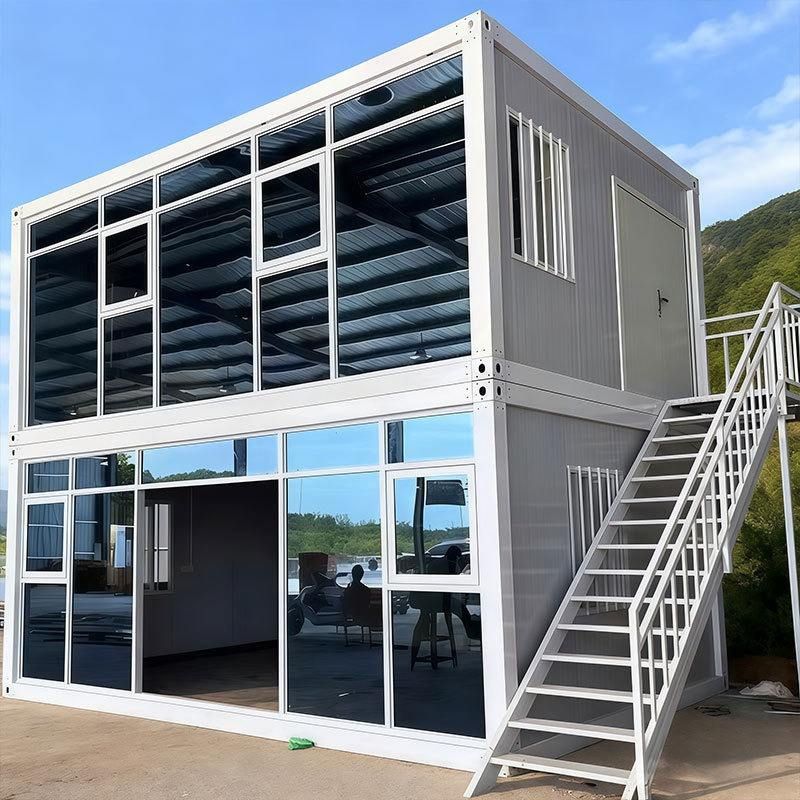
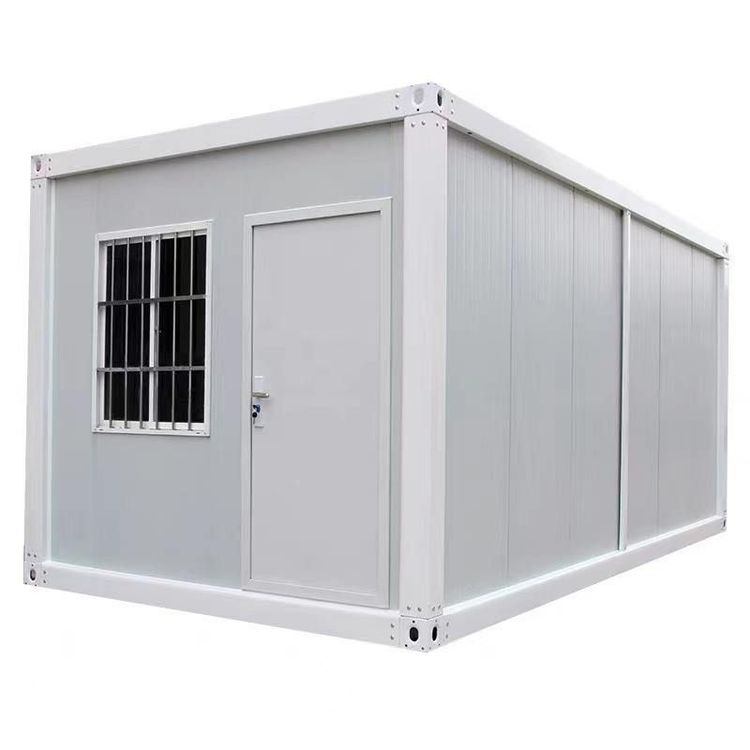
Materials and Structural Processes: Tacheng has a unique climate. In cold regions, it is crucial to focus on the insulation and durability of materials. 304 stainless steel is corrosion-resistant and easy to clean, suitable for long-term use in scenarios with high hygiene standards, but it is costly and heavy. Fiberglass-reinforced plastic is molded as a whole, waterproof and moisture-proof, with high cost-effectiveness, but its impact resistance is relatively weak. Metal sandwich panels (such as color-steel foam panels) are the least expensive but have poor corrosion resistance, are prone to rust, and are difficult to clean. In cold regions, it is recommended to customize insulation solutions, such as using stainless steel plates with rock wool insulation layers inside to prevent water pipes from freezing in winter.
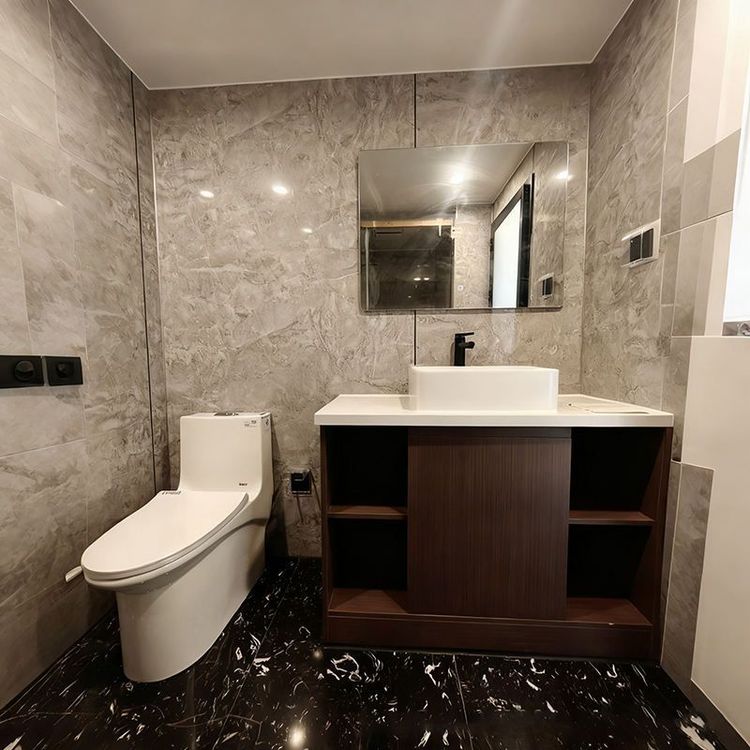
Odor and Slip Resistance Design: For odor control, attention should be paid to the ventilation system (exhaust fans, vents), sewage disposal methods (flushing, foam, packing), and the airtightness of the internal structure. In high-traffic scenarios such as tourist attractions in Tacheng, foam toilets can effectively isolate odors by covering the fecal surface with foam, but they require electricity. Flushing toilets offer good cleaning effects but require a connection to a water source and sewage pipes. For slip resistance, the floor material should be slip-resistant (such as anti-slip plates or mats), and the slope should be reasonable to avoid water accumulation.
Environmental Adaptability: Some areas in Tacheng are extremely cold, so it is necessary to choose products with freeze resistance and UV resistance to ensure stable operation in extreme environments. The applicable temperature range is generally from -10°C to 60°C. Optional insulation layers ranging from 100 to 1000mm can be used to cope with extreme climates. For northern regions, it is recommended that the insulation layer thickness be more than 1000mm.
Sewage Disposal Method Selection: In water-scarce or ecological protection areas, microbial degradation is preferred, which decomposes excreta through special bacteria to achieve waterless treatment. In areas with well-developed municipal infrastructure, flushing toilets can be chosen, which rely on 220V voltage to drive water pumps and require配套 (should be 'accompanied by') septic tanks or municipal sewage networks. For temporary events or high-traffic scenarios, packing toilets are suitable, which seal feces in biodegradable plastic bags and require regular replacement, offering simple operation.
After-sales and Customization Capabilities: Choose reliable original manufacturers to ensure nationwide warranty, door-to-door delivery, and rapid response services. It is necessary to clearly inquire whether the manufacturer provides 24-hour after-sales service response, has a spare parts inventory, and supports customization of size, color, and functions according to the site conditions.