
Tacheng Mobile Toilet Installation
The installation of mobile toilets in Tacheng should follow a systematic process, with core steps including pre-installation preparation, positioning and fixing of the main toilet body, and connection of the piping system. Details are as follows:
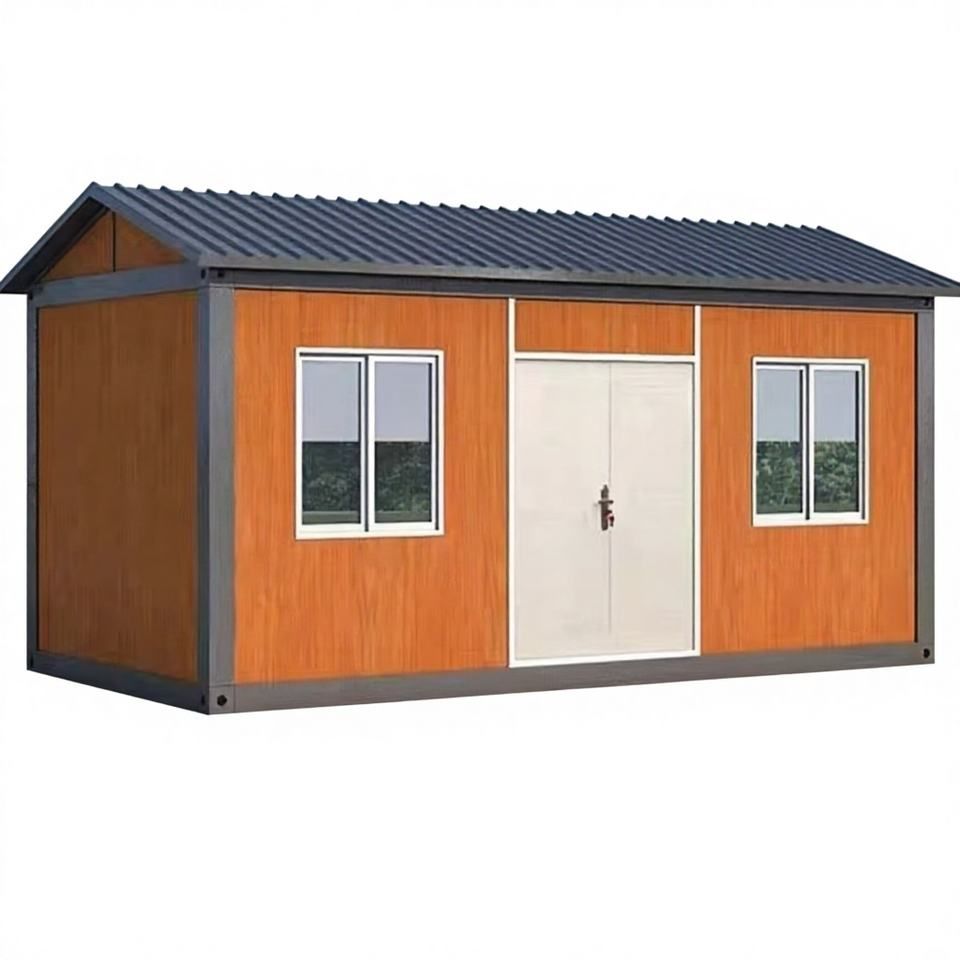
Pre-installation Preparation
Site Survey and Confirmation
Conduct an on-site assessment of the ground conditions at the installation location, requiring a concrete-hardened ground or a stable foundation that has been compacted to ensure flatness and firmness. Check for underground obstacles such as pipelines and cables to avoid construction damage. Additionally, plan the access routes and operating spaces for transport vehicles and lifting equipment to ensure construction feasibility.Foundation Treatment
Select the foundation type based on the toilet specifications:
- Concrete Foundation: Pour a platform according to the design dimensions, embed fixed bolts or components, and ensure the surface is level, suitable for long-term fixed installations.
- Asphalt or Hardened Ground: Only suitable for lightweight or temporary toilets, requiring a firm and flat ground surface.
- Matching Pedestals: Use pre-fabricated concrete pedestals or steel structure pedestals to level the toilet body, and verify the levelness to prevent deformation of the body or jamming of the door frame.
- Equipment and Personnel Preparation
Prepare tools such as cranes, forklifts, spirit levels, and wrenches. Installation personnel should be familiar with the structural process and possess lifting and electrical operation qualifications. Check that the toilet body transported to the site is intact and free from transport damage.
Positioning and Fixing of the Main Toilet Body
Lifting and Positioning
Use a crane or forklift to lift the toilet body, ensuring the lifting ropes are attached to the designated lifting points on the bottom steel structure frame to avoid deformation of the roof or walls. Slowly move it above the foundation, align it with the embedded bolts or structure, and then lower it steadily into place.Leveling and Fixing
Use a spirit level to measure the levelness of multiple points on the bottom frame of the toilet body. If there is any tilt, adjust it to level using thin steel plate shims. After leveling, tighten the nuts to secure the fixing components on the bottom of the toilet body to the embedded bolts, ensuring the body is stable and preventing displacement due to wind or external forces.
Connection of the Piping System
Water Supply System Connection
Locate the reserved water supply interface on the toilet body, and use drinking water-grade piping materials such as PPR pipes or PE pipes to connect the external water supply network to the toilet inlet. Wrap Teflon tape or apply sealant at the connection points to prevent leaks.Drainage System Connection
Connect to a septic tank or sewage pipe according to the design, ensuring smooth drainage. If a septic tank is used, confirm that its capacity matches the toilet usage volume and perform regular cleaning and maintenance.
After installation, conduct a comprehensive commissioning to check the water and electricity functions, door and window operation, and sewage discharge effect, ensuring the mobile toilet operates normally.



