
Tacheng Mobile Toilet Design
The design of mobile toilets in Tacheng covers multiple aspects such as structure, materials, sewage disposal, and environmental adaptability, featuring diverse functions and ecological friendliness.
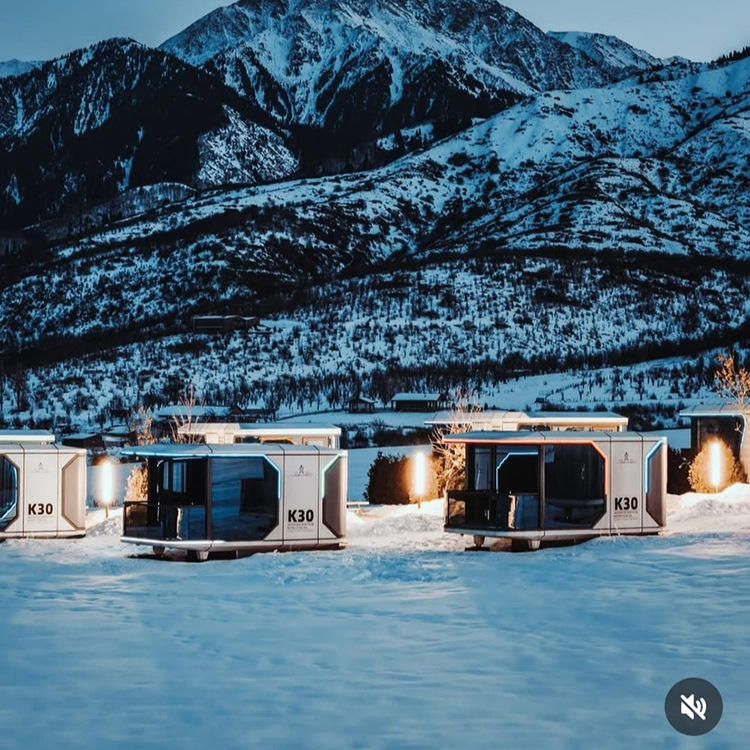
In terms of structural framework, light steel keels or steel frames are used, such as a structure combining 14# hot-dip galvanized channel steel with 80 rectangular tubes, or a keel design with light steel keels at specific intervals. This provides strong compression resistance and load-bearing capacity, eliminating ground tremors and roof collapses.
There are various choices for wall materials. Aluminum-plastic panel exterior walls have a modern appearance, suitable for scenic spots and other locations, with anti-oxidation, waterproof, heat insulation, and cold resistance properties. Metal carved panel walls combine heat insulation with weather resistance, with a lifespan exceeding 10 years, making them suitable for long-term outdoor exposure. Walls with a sandwich structure made of metal alloys and polymer composite materials can provide heat insulation, sound insulation, and structural support.
For floor design, cement fiber boards are used as substrates, covered with marble or household floor tiles, offering anti-slip properties, aesthetics, and durability.
There are two common types of sewage disposal systems. The vacuum self-priming sewage disposal system is suitable for row-type vacuum environmental protection mobile toilets. The air-water flushing method saves up to 80% of water, can be connected to the sewage network for disposal, and has a fecal storage tank at the bottom. Sealed pipe sewage disposal involves directing liquid waste through sealed pipes to treatment units, while solid waste is treated using detachable collection containers in combination with biodegradable agents.
Regarding environmental adaptability mechanisms, the temperature control system combines phase change materials with active air circulation to maintain stable internal temperatures in environments with large diurnal temperature variations. In addition to traditional water storage tanks for water resource utilization, some units integrate circulating water filtration devices to achieve tiered water utilization. For power supply, a combination of solar photovoltaic panels and low-voltage energy storage devices is used to meet energy demands under different weather conditions.
The multi-functional design enables mobile toilets to be equipped with sinks, mirrors, storage shelves, etc., in addition to basic toilet functions, and even simple rest areas. In modular and deformable designs, modular box designs meet functional zoning and ergonomic requirements, with reasonable internal layouts. Hydraulic folding mechanisms can change shape when not in use, reducing transportation space occupation by about 60%. For ecological protection designs, when used in ecological protection areas, the connecting pipelines adopt double anti-leakage designs, and the sewage disposal terminals are equipped with triple isolation devices to reduce the impact on the surrounding soil environment.



