Mobile Toilets at Table Tennis Matches
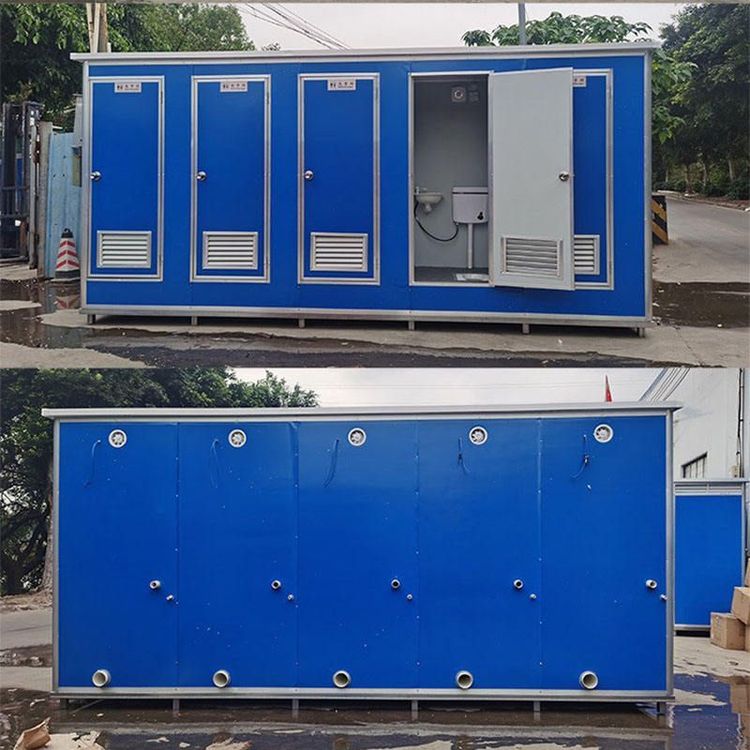
At the 2025 WTT Grand Slam event in the United States, mobile toilets attracted widespread attention due to insufficient quantity, unique design, and stability issues, becoming a controversial focus of the venue facilities.
Design and Configuration of Mobile Toilets
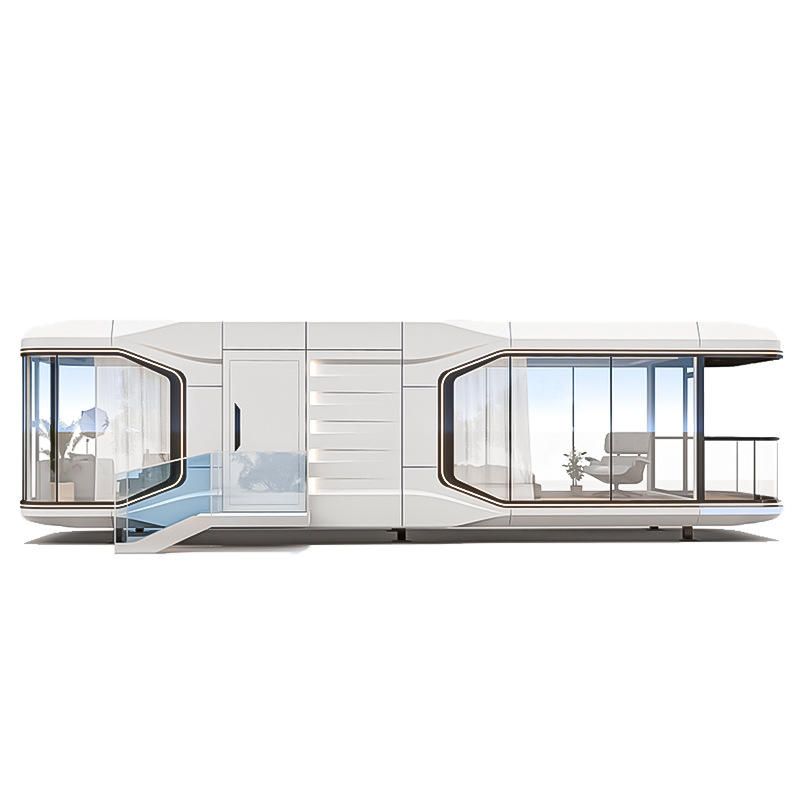
The event organizers employed a modified mobile bus-style toilet, featuring only one male and one female stall shared by players, coaches, staff, and spectators. While innovative, this design severely lacked capacity and could not meet the toilet demands of the large number of people during the event. For instance, Gao Jun, the coach of the US team, once had to push Wang Chuqin into the toilet due to the shortage and urged, "Hurry up, there are people waiting behind you," reflecting the urgency of the situation.
Insufficient Quantity Leading to Queue Chaos
The event organizers arranged only four portable toilets, far below the actual demand. Long queues formed for toilet use, even affecting the progress of the matches. Japanese players had to wait under the shade while wiping off sweat, and the coach of the South Korean team called out names one by one from a list, setting time limits for toilet use, highlighting the management chaos. More seriously, some players might miss exciting moments of the matches, such as serves and scoring, due to queuing, directly affecting the spectator experience.
Concerns Over Stability and Safety
The stability of the mobile toilets became another point of controversy. Some netizens joked that they "swayed with the wind" and worried that the toilets might be dragged away while players were using them. Although no actual safety incidents occurred, such remarks reflected public doubts about the safety of the facilities. For outdoor events, mobile toilets need to have basic performance features such as wind resistance and slip resistance; otherwise, accidents may occur due to weather or human factors, further exacerbating the chaos on-site.
Suggestions for Improvement and Future Directions
To address the above issues, the event organizers need to optimize the configuration and management of mobile toilets: increase the quantity to alleviate queuing pressure; improve the design, such as adopting modular toilets or expanding the capacity of individual stalls; strengthen stability testing to ensure the safety of the facilities in adverse weather conditions; optimize the allocation strategy, for example, setting up dedicated toilets for players and staff to avoid mixing with spectators. Through systematic improvements, mobile toilets can transform from a controversial focus to a highlight of venue services.