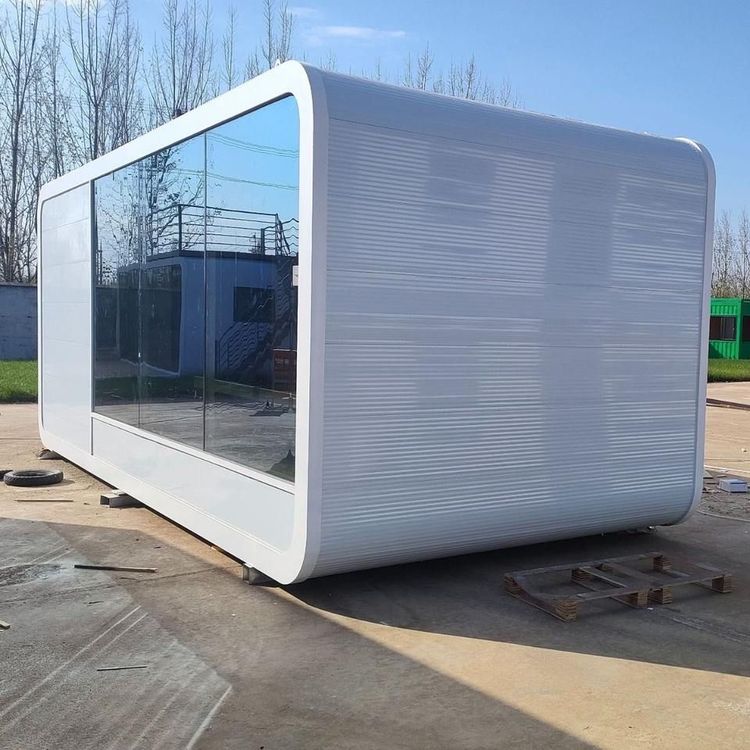
Sydney Prefabricated Housing
Prefabricated housing in Sydney plays a significant role in addressing the housing crisis, mainly reflected in policy support, construction efficiency, cost advantages, market acceptance, application cases, and technological advantages.
Policy Support: On August 4, 2026, the Parliament of New South Wales passed the Building (Approvals and Practitioners) Bill 2026, which legally defines 'prefabricated buildings' and incorporates them into the building approval system, setting rules for the entire chain of manufacturing, supply, transportation, delivery, and installation. This policy provides legal protection for the development of prefabricated housing, standardizes market order, helps promote the large-scale development of the prefabricated housing industry, thereby increasing housing supply and alleviating the housing crisis.
Construction Efficiency: Prefabricated housing adopts an industrialized construction process of factory prefabrication and on-site assembly, significantly shortening the construction period. For example, houses produced by JBM Modular Housing can be delivered in just 32 days from start to finish, with on-site installation taking only 2 days. The rapid construction speed can provide more housing in a short time, meeting the urgent demand for housing in the market and effectively easing the housing shortage.
Cost Advantages: The construction cost of prefabricated housing is lower than that of traditional methods. Taking a 250-square-meter residence as an example, traditional construction methods require at least a year, while prefabricated housing takes only three months, reducing construction costs by 10% to 15% compared to traditional methods. In addition, the prices of prefabricated houses on the market vary, with the lowest being only 26,100 Australian dollars. The lower cost makes housing more affordable for more people, helping to solve the issue of housing affordability.
Market Acceptance: The market acceptance of prefabricated housing in Sydney is gradually increasing. The industry organization prefabAUS predicts that with the improvement in market acceptance, the proportion of prefabricated housing in the total number of built houses in Australia is expected to soar from 8% to 30% within seven years. The increase in market acceptance means that the demand for prefabricated housing will continue to rise, further driving industry development and increasing housing supply.
Application Cases: Gaorui Smart Building Group completed the first fully assembled prefabricated high-end residence in Marshfield, Sydney, demonstrating the broad application prospects of prefabricated construction in the high-end housing market; Sydney couple Chris and Beau built a three-bedroom assembled house on Russell Island in Queensland, with the kit costing just over 50,000 Australian dollars and the total budget controlled within 150,000 Australian dollars. These cases prove the feasibility and practicality of prefabricated housing at different market levels.
Technological Advantages: Prefabricated housing moves complex processes to the factory in advance, reducing labor input and construction waste, lowering noise pollution, improving construction accuracy, and effectively avoiding rework and errors. These technological advantages not only improve construction efficiency and quality but also reduce the impact on the environment, meeting the requirements of sustainable development.
You may also like

Portable Toilet Solution Custom & OEM: Design & Bulk Production Guide
Read More
Portable Toilet Size Drawings Specifications: Size, Area & Layout
Read More
Everything You Need to Know About Portable Toilet Eco-Friendly Rental
Read More