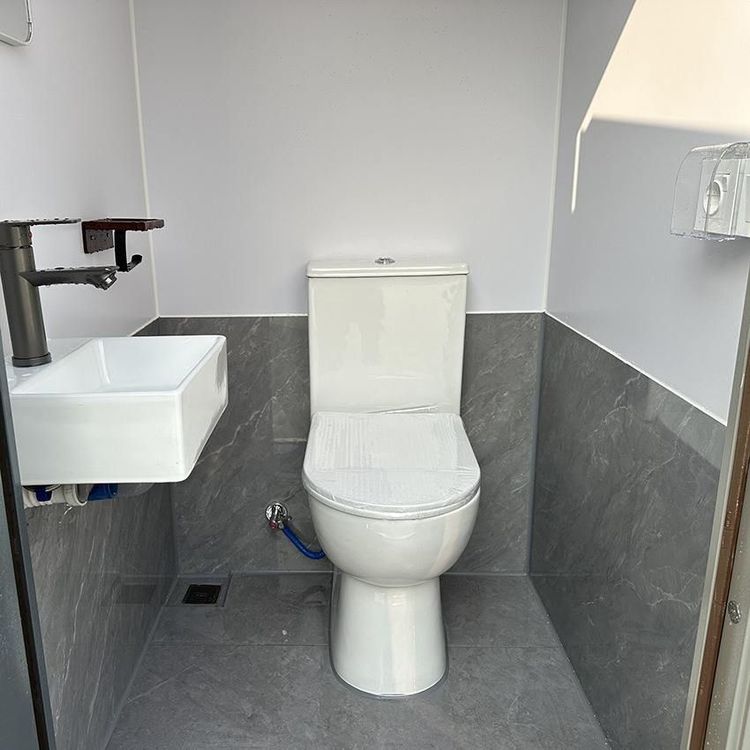
Swiss Intelligent Mobile Toilet
Although the restrooms in the self-service areas of Swiss highways are not explicitly referred to as 'intelligent mobile toilets,' their design integrates intelligent technology with humanistic care, representing an innovative practice in the field of public sanitation facilities. The specific features are as follows:
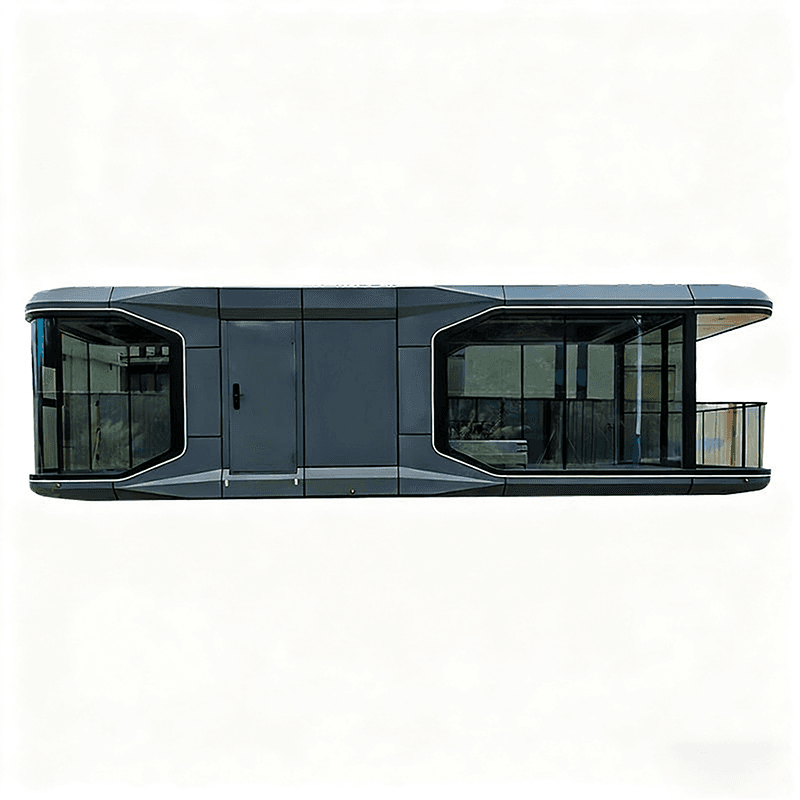
1. Intelligent Sensing Technology Enhances Hygiene Experience
These restrooms extensively employ touchless devices, such as automatic opening and closing doors, smart toilets, automatic flushing systems, and sensor-activated hand dryers. Triggered by infrared or pressure sensors, these technologies reduce direct contact between users and facilities, effectively lowering the risk of bacterial transmission. For example, smart toilets can automatically adjust the flush volume based on usage status, ensuring cleanliness while conserving water. Additionally, some areas are equipped with intelligent lighting systems that automatically adjust brightness through human body sensing, further optimizing energy efficiency.
2. Barrier-Free Design Reflects Humanistic Care
The facility design takes into full consideration the needs of diverse groups: door frame widths, handrail heights, and floor slip resistance treatments all comply with international barrier-free standards, facilitating use by the elderly, disabled individuals, and families with strollers; the internal space layout is reasonable, allowing wheelchairs to turn freely; washbasins are equipped with adjustable-height designs, enabling children and wheelchair users to operate without tiptoeing or bending over. These details demonstrate attention to vulnerable groups, making public sanitation facilities truly 'inclusive.'
3. Environmental Protection and Sustainability Run Through the Entire Process
Water-saving toilets adopt a dual-flush design, using a small volume for urination and a large volume for defecation, saving over 50% of water per flush compared to traditional toilets; solar panels cover the roof, supplying power to lighting and ventilation systems and reducing reliance on the power grid; waste sorting facilities are detailed into recyclables, hazardous waste, and kitchen waste, and are equipped with compression devices to reduce collection frequency. Some service areas also introduce rainwater collection systems for flushing floors or irrigating greenery, forming a closed-loop ecological chain.
4. Integration of Art and Culture Creates a Warm Atmosphere
The interior decoration abandons the industrial coldness, extensively using natural materials: log walls, stone countertops, and green plant walls form a natural theme; local artists' works are hung on the walls, with themes often related to the scenery of the Alps or Swiss traditional culture, turning the restroom into a mini-exhibition showcasing regional characteristics. This design not only enhances the user's stay experience but also conveys the concept that 'public spaces can also possess aesthetic value.'
Switzerland's practice demonstrates that innovation in public sanitation facilities need not be limited to the 'mobile' form. Through the integration of intelligent technology, barrier-free design, environmental protection concepts, and cultural elements, a balance between functionality and humanism can also be achieved. This model provides a reference for the global upgrade of public sanitation facilities.