
Swimming Pool Portable Toilet
Swimming pool portable toilets are portable sanitation facilities specifically designed for areas around swimming pools or water activity zones. They are characterized by being eco-friendly, flexible, and easy to maintain. Common types include mobile eco-friendly toilets, waterless ecological toilets, and water-recycling eco-friendly toilets.
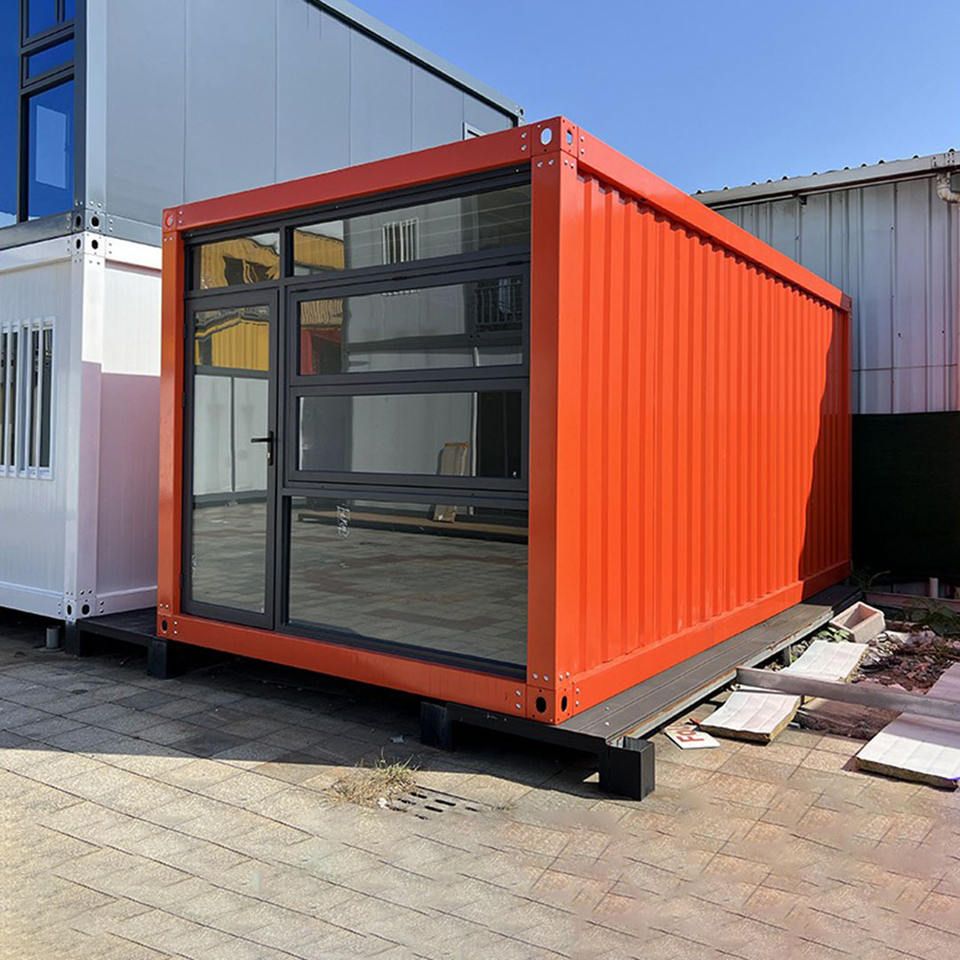
Types and Features
- Mobile Eco-Friendly Toilets: Made of lightweight materials (such as fiberglass reinforced plastic and stainless steel), these toilets have a compact structure and are movable, making them suitable for short-term events or temporary venues. Some models are equipped with septic tanks or biodegradation technology to reduce sewage discharge and have lower maintenance costs.
- Waterless Ecological Toilets: These toilets do not require a flushing system. They handle excreta through microbial decomposition, foam sealing, or packaging designs, thus avoiding water waste. These toilets are odorless and pollution-free, suitable for water-scarce areas or scenarios with high environmental protection requirements, such as swimming pools in natural scenic spots.
- Water-Recycling Eco-Friendly Toilets: These toilets integrate sewage treatment and recycling systems. They filter and purify excreta and then reuse the treated water for flushing, achieving closed-loop water utilization. Although the technology is relatively complex, long-term use can significantly reduce water consumption, making them suitable for fixed swimming pools or long-term operational venues.
Price and Customization
The prices of swimming pool portable toilets vary greatly depending on the brand, type, and specifications, with a common price range of 600 yuan to 9000 yuan. For example, a basic waterless toilet may cost as low as 600 yuan, while a high-end water-recycling toilet or a customized model may exceed 9000 yuan. Users can choose according to their budget and needs:
- Limited Budget: Prioritize waterless or simple mobile toilets, which have low costs and are easy to maintain;
- Long-Term Use: Although water-recycling toilets have a high initial investment, their water-saving benefits are significant, making them suitable for high-traffic venues;
- Special Needs: Customization of materials (such as anti-corrosion wood and aluminum alloy) and functions (such as barrier-free design and smart sensors) is supported, but additional fees are required.
Application Scenarios
These toilets are not only suitable for areas around swimming pools but can also be extended to water parks, beach bathing areas, temporary events, and other scenarios. Their flexibility and eco-friendliness make them an effective supplement to traditional fixed toilets, especially in projects with short construction periods, limited space, or strict environmental protection requirements.
Purchase Recommendations
- Clarify Needs: Choose the type according to usage frequency, foot traffic, and budget;
- Focus on Environmental Protection Standards: Prioritize models that meet national emission standards to avoid secondary pollution;
- Evaluate Maintenance Costs: Waterless toilets require regular cleaning of microbial strains, while water-recycling toilets require maintenance of filters and pipes;
- Choose Reliable Brands: Products from well-known manufacturers are of more stable quality and have better after-sales services.



