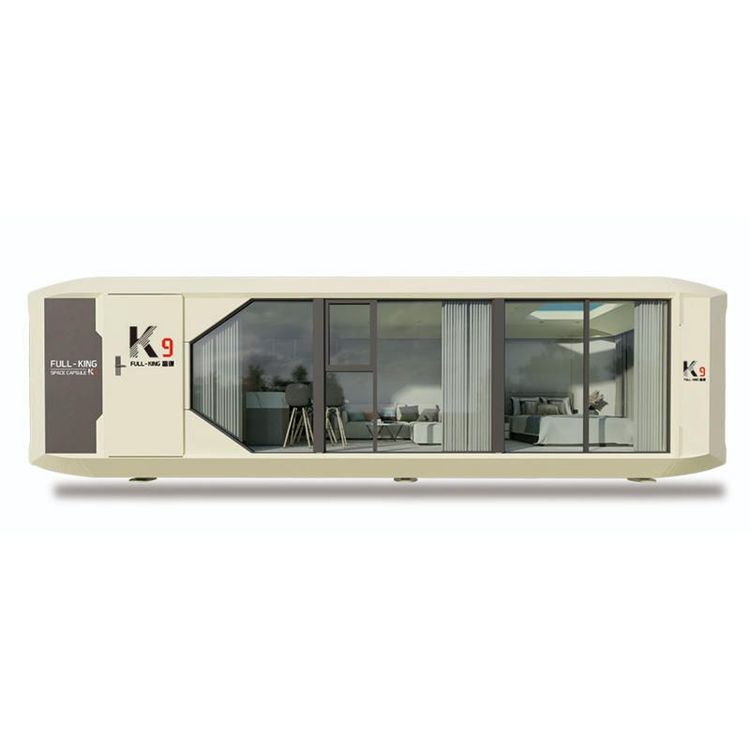
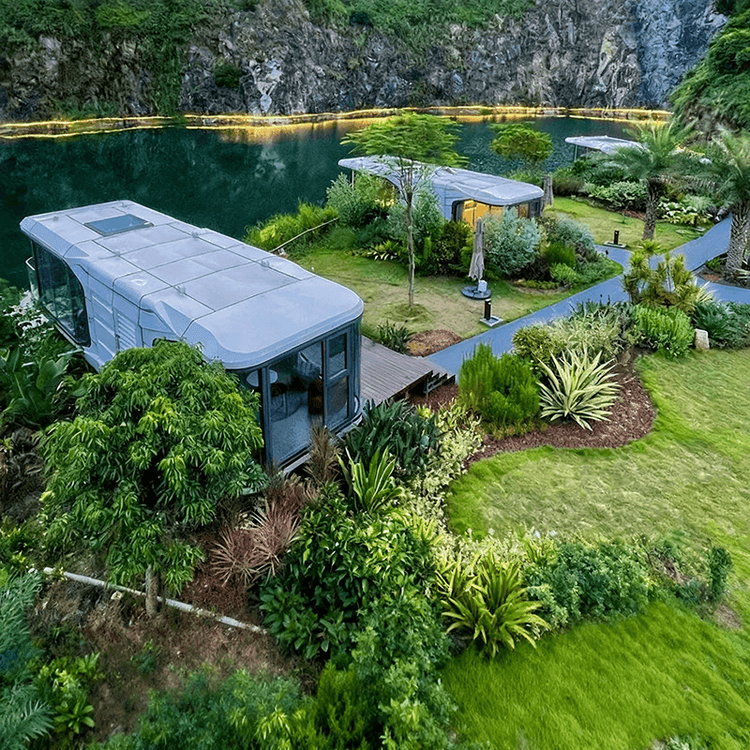
Suzhou Wave-Pattern Container House
The wave-pattern design of Suzhou's wave-pattern container houses is primarily derived from the corrugated bulkhead structure, with its core functions being to enhance structural strength, save materials, and adapt to special functional requirements. The following is an analysis from the perspectives of design principles, functional advantages, and practical application scenarios:
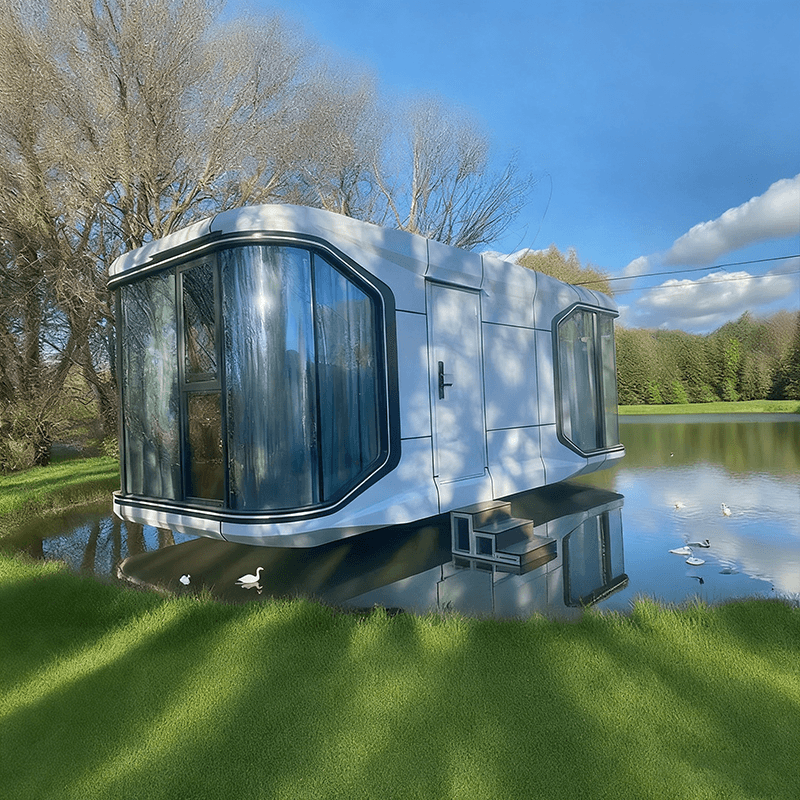
I. Design Principles of Wave Pattern: Mechanical Optimization of Corrugated Bulkheads
The wave pattern on the exterior walls of container houses is essentially a corrugated bulkhead structure. By pressing 1.5-millimeter-thick steel plates into a wavy shape, an invisible framework is formed. This design significantly improves the container's resistance to bending and compression:
- Structural Reinforcement: The wave pattern is equivalent to adding longitudinal and transverse stiffeners to the flat steel plate, making the container less prone to deformation during stacking, transportation, or when subjected to external pressure.
- Material Savings: Compared to increasing the thickness of the steel plate, the wave-pattern design achieves the same strength through structural optimization while reducing steel usage, lowering costs, and weight.
- Standardized Production: The pressing process for wave patterns is mature, facilitating large-scale industrial production and aligning with the modular and reusable characteristics of container houses.
II. Functional Advantages: Customization to Meet Different Scenario Requirements
The width and shape of the wave pattern are adjusted according to the intended use of the container to achieve specific functions:
- Refrigerated Containers: Wider wave patterns are used to reserve space for refrigeration equipment and cold air circulation channels, ensuring uniform internal temperature and better preservation effects.
- Heavy-Duty Special Containers: Wide corrugation designs can disperse the pressure from heavy machinery or cargo, preventing local deformation and facilitating cargo securing.
- General-Purpose Containers: Standard wave patterns balance strength and lightweight properties, making them suitable for transporting ordinary goods while reducing transportation energy consumption.
III. Practical Application Scenarios: Diversified Expansion from Logistics to Residential Use
As a major hub for the container house industry, Suzhou's wave-pattern container houses have been widely applied in various fields:
- Temporary Offices at Construction Sites: For example, Wujiang's packing container houses adopt a modular design, with 90% of the components (including water and electricity, doors, and windows) prefabricated in the factory. They can be quickly assembled on-site and put into use on the same day.
- Emergency Relief and Post-Disaster Reconstruction: For instance, the "Zhenze-made" container houses used in the earthquake-stricken areas of Turkey are 3 meters wide and 7 meters long, divided into three living areas, and can accommodate a family of three. Nearly 10,000 units were produced within a month.
- High-End Accommodation and Commercial Spaces: The 2,000 container houses in the "Fan Village" for the Qatar World Cup were equipped with beds, shower rooms, coffee bars, and other facilities, with a unit price of $200 per night, demonstrating the luxury potential of container houses.
IV. Industrial Support: Suzhou's Technological and Scale Advantages
Wujiang, Suzhou, is home to several leading modular construction companies, such as Suzhou Zhongnan Steel Structure Co., Ltd., which holds 31 patents and exports its products to over 50 countries. Its wave-pattern container houses, produced through a factory prefabrication + on-site assembly model, achieve rapid delivery, reusability, and a 20-year lifespan, setting a benchmark in the temporary construction sector.