Materials for Mobile Toilets in Suzhou Scenic Areas
The selection of materials for mobile toilets in Suzhou scenic areas takes into account practicality, aesthetics, and regional cultural characteristics. Common materials include those for the box structure, internal structure and fittings, roof treatment, and other special materials.

Box Structure Materials
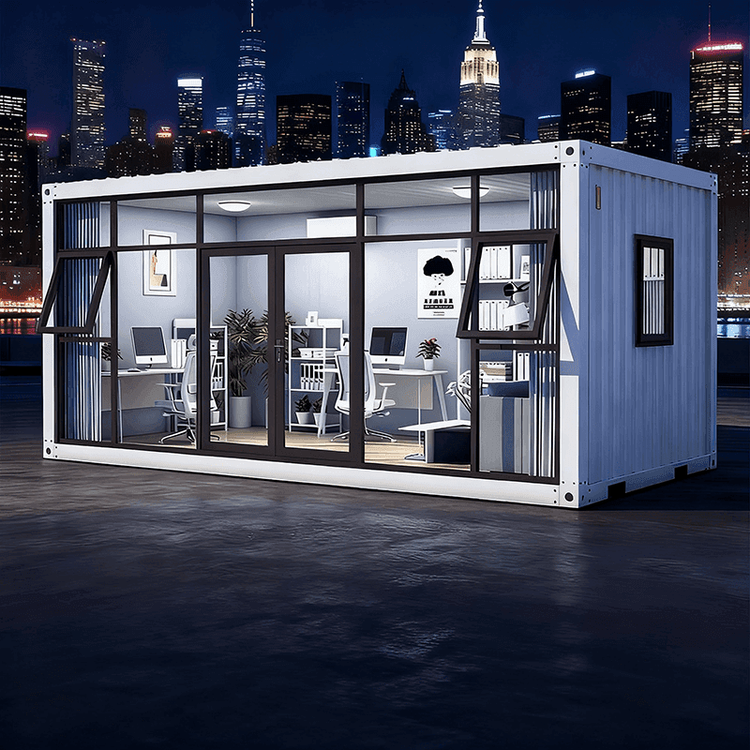
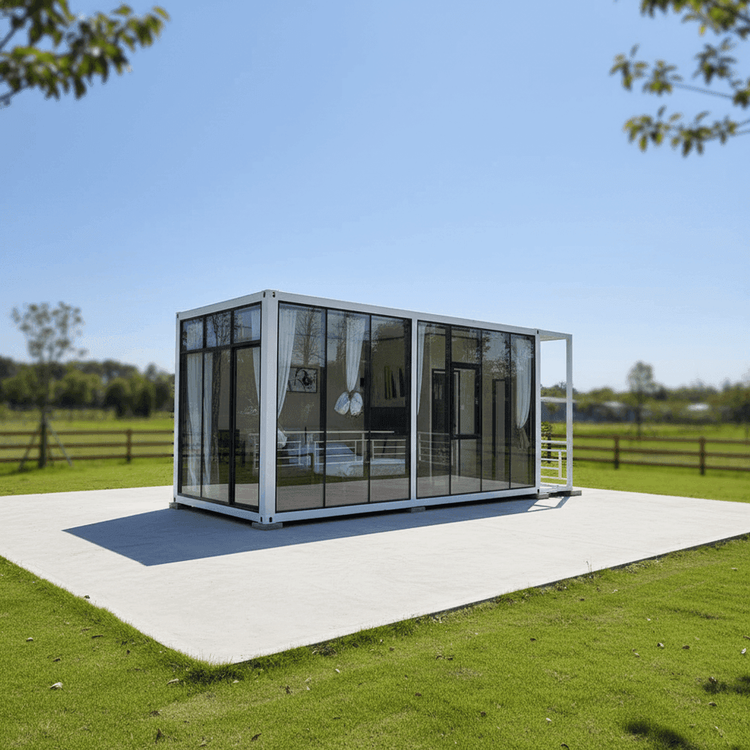
Suzhou experiences high rainfall and humidity, so box materials need to be corrosion-resistant, moisture-proof, and aging-resistant. Stainless steel plates are the preferred choice due to their strong resistance to salt spray corrosion, making them suitable for long-term exposure in humid environments. Metal-painted plates and aluminum-plastic composite panels can enhance rust resistance through surface treatment, but attention should be paid to the adhesion of the paint layer. New environmentally friendly composite materials require verification of deformation and aging after long-term soaking to ensure structural stability. Additionally, metal carved panels are an ideal choice for scenic environments due to their lightweight, cold-resistant, earthquake-resistant, heat-insulating, sound-insulating, breathable, and aesthetically pleasing properties. Color-coated steel plates and anticorrosive wood meet basic requirements through surface anticorrosive treatment, but anticorrosive wood requires regular maintenance to prevent mildew.Internal Structure and Fittings Materials
Internal partitions and floors need to meet the requirements of being slip-resistant, waterproof, and easy to clean. Common materials include slip-resistant tiles, PVC flooring, or composite flooring, with waterproof treatment on the surface to prevent water seepage. Hardware fittings (such as hinges, door locks, flush valves) are mostly made of high-quality stainless steel or copper products to resist erosion from humid air and extend service life. Some high-end mobile toilets also use antibacterial materials to reduce bacterial growth and improve hygiene standards.Roof Treatment Materials
The roof needs to have waterproof, heat-insulating, and drainage functions. Typically, waterproof membranes or metal tiles are used as the waterproof layer, paired with heat-insulating foam boards or rock wool boards to reduce heat transfer. The roof design should ensure sufficient drainage slope (generally ≥5%) to prevent water accumulation and leakage. Some mobile toilets also install solar panels on the roof to achieve energy self-sufficiency and align with environmental protection concepts.Other Special Materials
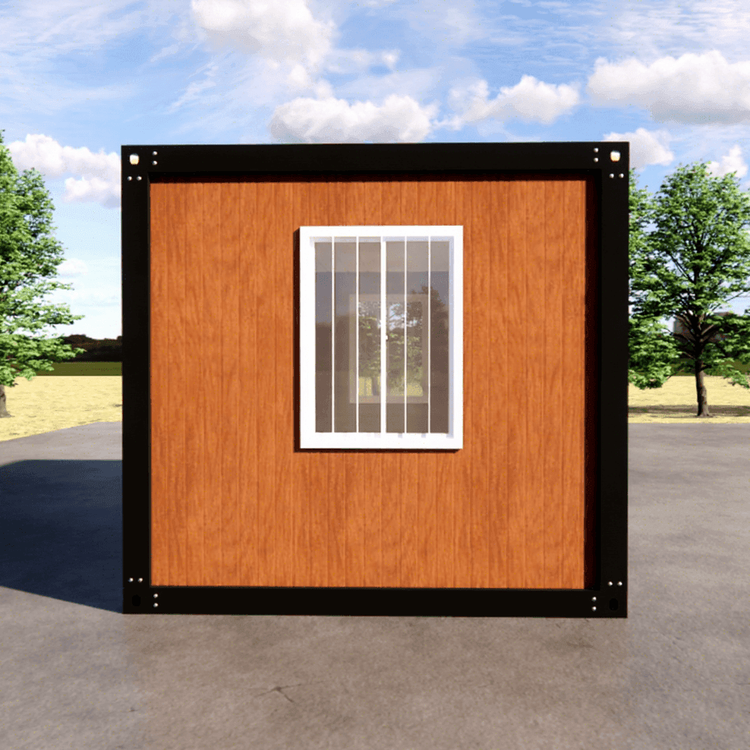
FRP (fiberglass-reinforced plastic) is widely used in complex outdoor environments due to its lightweight, high strength, corrosion resistance, aging resistance, and ability to be molded into various shapes. Its surface can mimic wood grain or stone textures, combining aesthetics with practicality, making it suitable for the cultural characteristics demanded by Suzhou scenic areas.