
Suzhou Sanitation Mobile Toilet Materials
The selection of materials for Suzhou sanitation mobile toilets should take into account environmental adaptability, functional requirements, and aesthetics. Common materials include those for the main frame, enclosure, internal facilities, and other auxiliary materials, as detailed below:
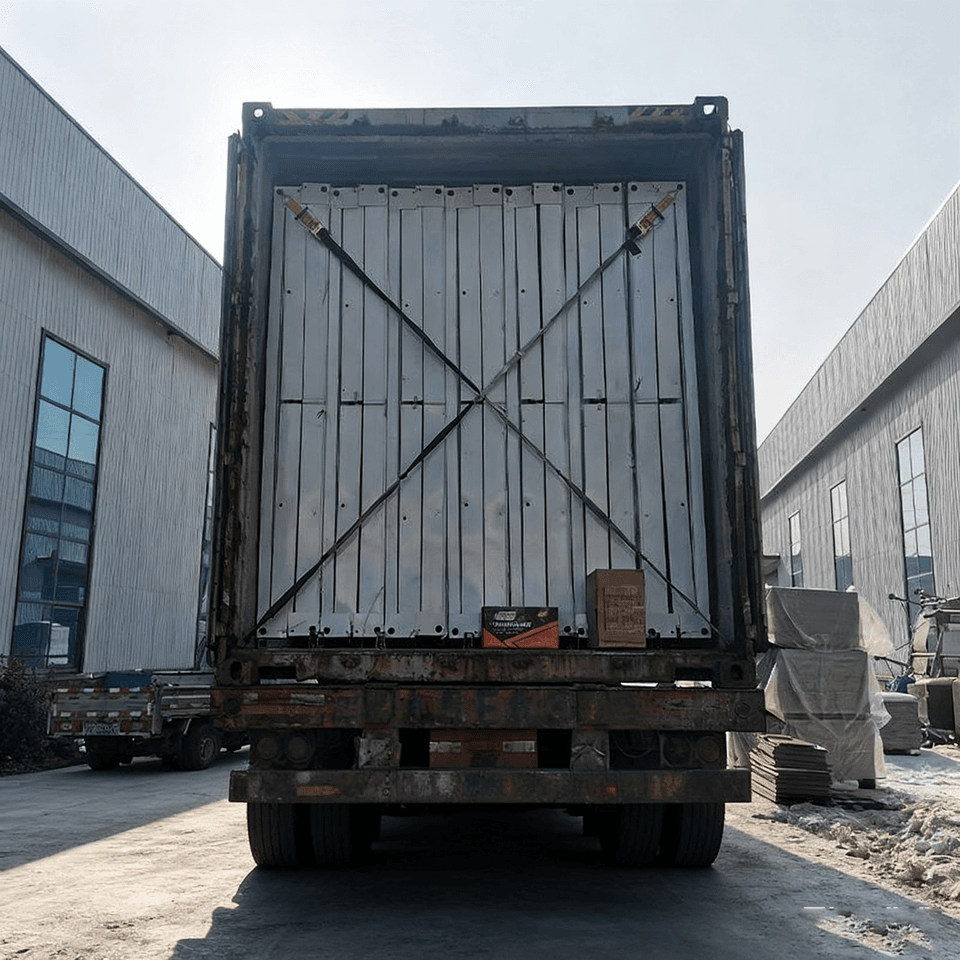
I. Main Frame Materials
Given Suzhou's humid and rainy climate, materials with strong corrosion resistance should be prioritized. 304 stainless steel is the top choice due to its high nickel content, which provides resistance to chloride ion corrosion and extends its lifespan to over 20 years. After anti-rust treatment at welding points, it is suitable for extreme weather conditions such as plum rains and typhoons, as demonstrated in projects by Jiangsu Xingheng in Suzhou and Hangzhou. Aluminum alloy profiles are lightweight (60% lighter than steel) and feature an oxidized surface film for rust prevention, making them ideal for scenarios requiring frequent relocation, such as tourist attractions and transportation hubs. High-quality galvanized steel is cost-effective but requires regular inspection of the anti-rust layer at welding points, making it suitable for inland dry areas or short-term use scenarios.
II. Enclosure Materials
Metal carved panels combine corrosion resistance with aesthetics, featuring a waterproof coating on the outer layer and a rich color palette, making them suitable for urban streets and park scenic areas. A project in Hebei adopted this material and added sound-absorbing cotton, achieving significant noise reduction. Fiberglass-reinforced plastic (FRP) is molded without seams, resistant to mold and acid-base corrosion, with a lifespan of at least 30 years. However, it should be protected from sharp impacts and is suitable for corrosive environments such as chemical parks and coastal scenic areas. High-density polyethylene (HDPE) is designed as a single piece to prevent leakage, with strong impact resistance and weldable repair capabilities, making it suitable for temporary construction sites with strict cost control.
III. Internal Facility Materials
Stainless steel sanitary ware (such as toilets and sinks) should be made of 304-grade material to avoid the rusting issues associated with 201-grade material. Its smooth surface is easy to clean and suitable for cleaning scenarios involving disinfectants. Ceramic waste recycling material is made by re-firing construction waste, with strength comparable to ordinary ceramic, an absorption rate of ≤0.5%, and excellent stain resistance. Rubber floor tiles are made from recycled waste tires, with a non-slip coefficient of ≥0.6 and good elasticity to cushion impacts, making them suitable for main corridors and areas around toilets.
IV. Other Materials
Corrosion-resistant wood can be used for decorative structures, designed in combination with traditional Suzhou architectural elements (such as the color scheme of white walls and black tiles). Aluminum composite panels serve as wall materials, offering both lightness and weather resistance. Additionally, environmental protection treatment technologies (such as microbial degradation and foam sealing) require corrosion-resistant internal structures, such as stainless steel bacterial containers.
Special Considerations for Suzhou: Materials must meet the triple requirements of corrosion resistance, environmental friendliness, and aesthetics. The specific choice should be based on a comprehensive assessment of scenarios such as garden scenic areas, temporary events, and construction sites, as well as budget considerations.



