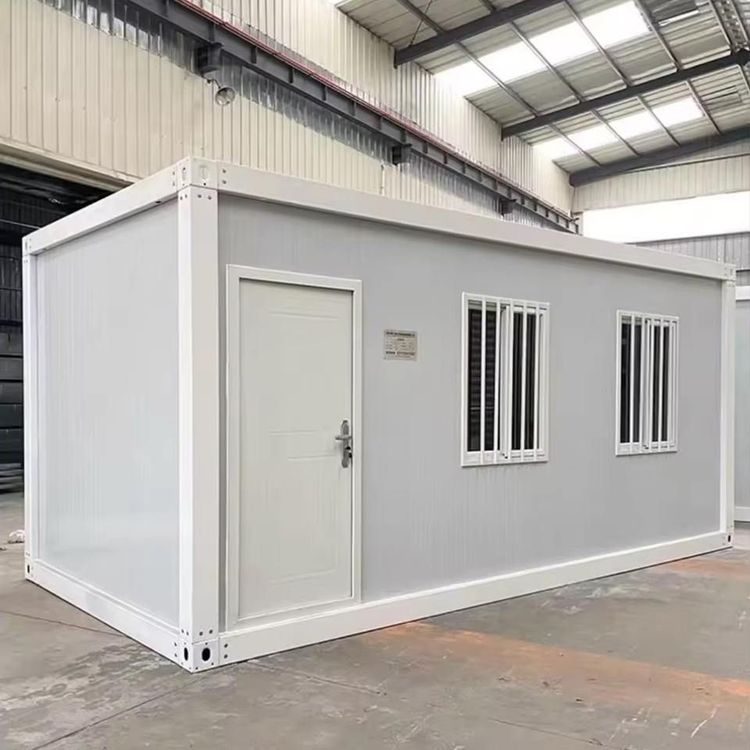
Suzhou Mobile Toilet Wharf Installation
The installation of mobile toilets in Suzhou at wharfs requires systematic planning, covering site selection assessment, equipment selection, installation and commissioning, and maintenance. The specific steps are as follows:

I. On-site Assessment and Plan Adaptation
When installing mobile toilets at a wharf, it is necessary to first conduct an estimated pedestrian flow, determining the number of toilet stalls based on the scale and duration of the event to avoid insufficient resources during peak periods. At the same time, a comprehensive inspection of the installation site's geological conditions is required. If the foundation is soft or has a high water content, reinforcement measures such as piling or laying concrete foundations are needed to prevent equipment settlement. In addition, it is necessary to confirm the accessibility of the drainage network (e.g., whether it can be connected to the municipal sewage system), the possibility of power supply (municipal power or solar power solutions), and the vehicle access routes to ensure convenient equipment transportation and maintenance.
II. Equipment Type Selection
According to the wharf environment and budget, there are three types of equipment:
- Trailer-mounted: These have strong integrity and can be transported to the site by a tractor and put into use after connecting to water and electricity supplies. They are suitable for scenarios with open space and urgent needs.
- Frame-assembled: With a modular design, they are flexible in transportation and can be disassembled and then moved through narrow passages to the site. However, they require on-site assembly, which takes a relatively long time.
- Single-unit: These are small in size and easy to move, suitable for temporary events or as supplementary toilet stalls, but their functions are relatively simple.
III. Functional System Configuration
Select internal systems according to needs:
- Sewage storage methods: Models relying on physical storage require supporting pumping services for regular cleaning. Models integrating biodegradation or chemical treatment technologies can reduce odors and extend the service cycle. Vacuum toilet systems are suitable for wharfs where water sources are difficult to obtain, as they save water and have efficient sewage discharge.
- Additional facilities: Configure lighting, ventilation fans, and barrier-free facilities (such as wheelchair ramps and handrails) according to the composition of the user group to enhance the user experience.
IV. Installation Technical Points
- Positioning and avoidance: Avoid underground pipelines and consider wind direction to reduce odor diffusion to the event area.
- Pipeline connection: Models connected to the municipal pipeline network need to undergo standard interface connection and leakage prevention testing. For independent sewage storage tanks, plan the operating routes for pumping trucks.
- Power supply: Prioritize municipal power connection and equip with leakage protection devices. When municipal power is not available, adopt a solar panel + battery pack solution, which requires precise calculation of equipment energy consumption and local sunlight conditions.
V. Maintenance and Service Management
- Daily maintenance: Establish standards for cleaning frequency, plans for replenishing sanitary supplies, and emergency fault response procedures. For large-scale events, establish a real-time inspection system.
- Contract specifications: Clearly define the responsibilities for equipment disassembly, cleaning, and removal after the end of the rental period to ensure the site is restored to its original condition.
- Environmental protection treatment: Sewage should be handed over to qualified units for treatment to avoid secondary pollution.