Back to blog
Article
Suzhou Ganhua Container House
Admin September 16, 2026
Currently, there is a lack of specific reference information about Suzhou Ganhua Container House. The following is an introduction based on the general situation of container houses and possible relevant points:

Basic Concept of Container Houses
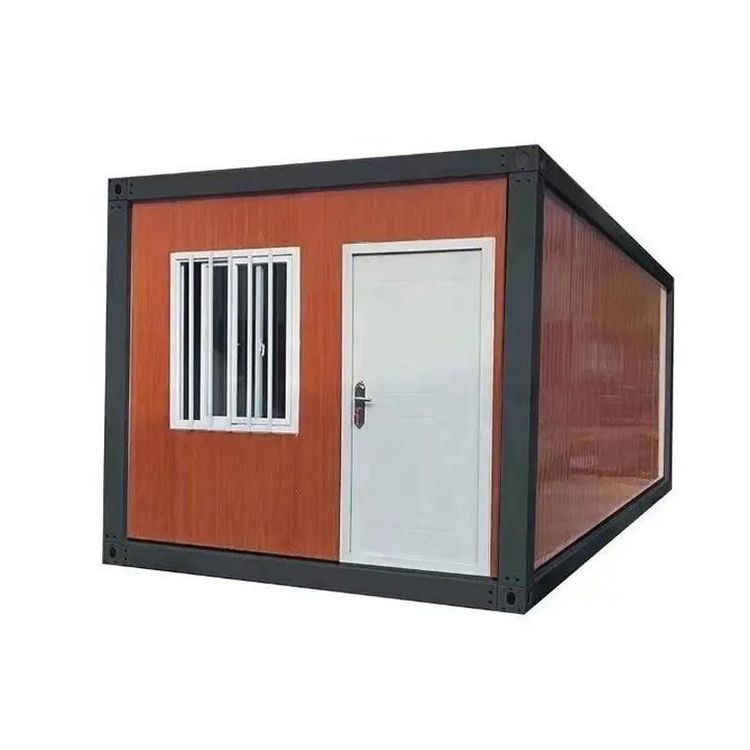
A container house is a form of architecture that takes containers as the basic modules and is transformed and designed. It has advantages such as strong mobility, fast construction speed, and relatively low cost. Usually, standard-sized containers, such as 20-foot or 40-foot containers, are used. They are combined and reinforced through methods like welding and bolt connection to meet different usage requirements.
Application Scenarios of Container Houses in Suzhou
- Temporary Buildings: At some construction sites in Suzhou, container houses are often used as temporary dormitories, offices, and warehouses for workers. Due to their convenient construction, they can quickly provide basic living and working spaces for workers and can be easily dismantled and relocated after the project is completed.
- Commercial Use: Some creative parks, markets, or event venues use container houses as shops, cafes, or exhibition spaces. Their unique appearance and flexibility can attract customers and create a unique commercial atmosphere.
- Residential Use: Some people also transform container houses into personalized residences to meet the needs of small-sized and low-cost living. However, using container houses as permanent residences in Suzhou requires compliance with relevant building codes and approval requirements.
Key Points for the Transformation of Container Houses
- Structural Reinforcement: Reinforce the frame of the container to improve its load-bearing capacity and stability, ensuring safety during use.
- Thermal Insulation: Since the metal material of the container itself has strong thermal conductivity, thermal insulation treatment is required, such as installing insulation boards and laying thermal insulation materials, to improve indoor comfort.
- Water and Electricity Installation: Reasonably plan the water and electricity lines and install corresponding facilities, such as lamps, sockets, and faucets, to meet the needs of daily life and work.
- Interior Decoration: Decorate the interior according to the usage function, such as laying floors, installing doors and windows, and decorating the walls, to create a comfortable and beautiful indoor environment.
Related