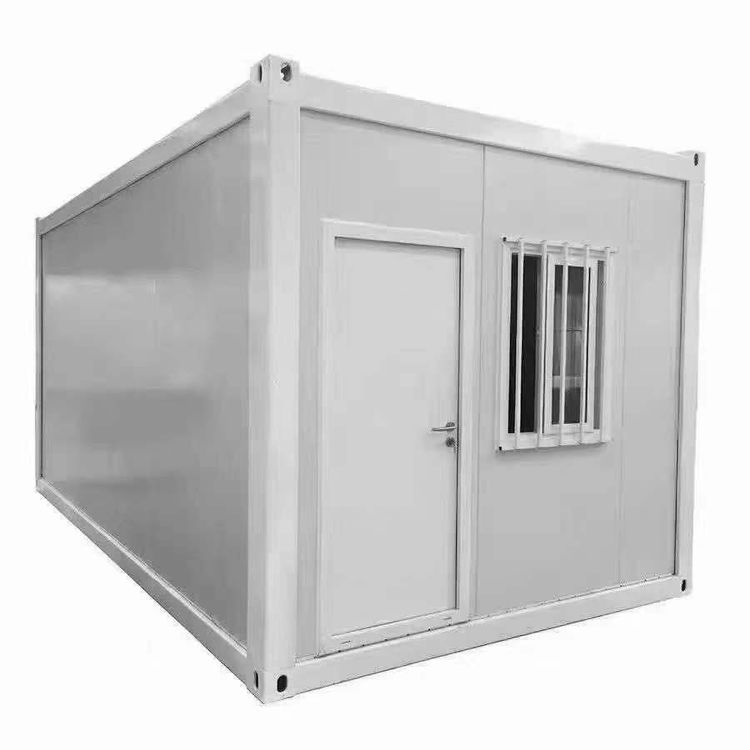
Suzhou Chinese-Style Mobile Toilet
There are cases of mobile toilets with Chinese-style elements in Suzhou, but a clear definition of typical products classified as 'Chinese-style mobile toilets' requires further analysis based on specific criteria.
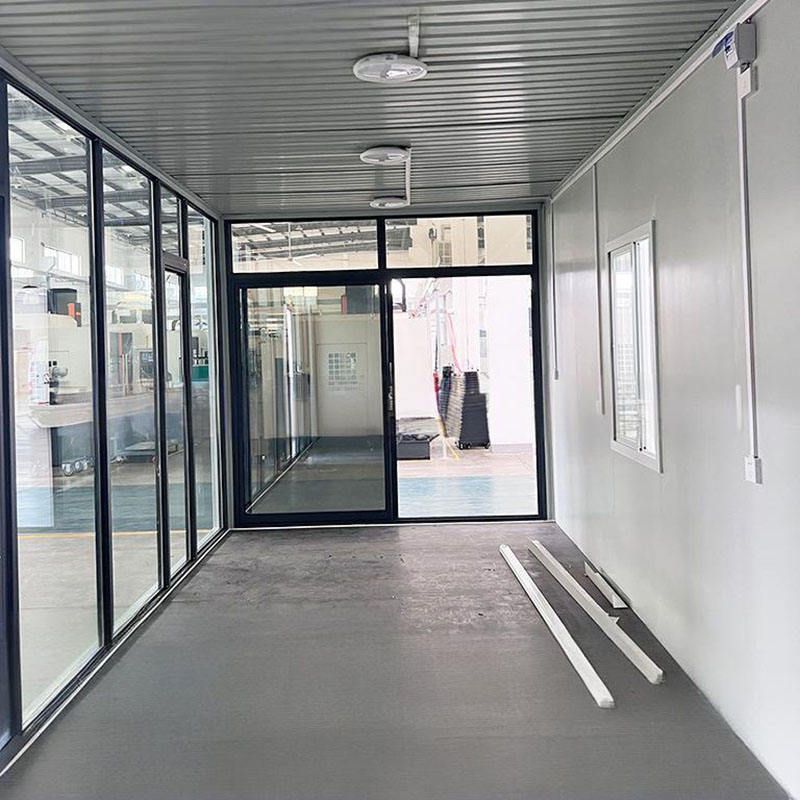
From the available information, Lianjia Jisheng (Suzhou) Environmental Technology Co., Ltd., as a practitioner of China's toilet revolution, covers the design and production of finished public toilets in its business scope. Although public information does not directly mention 'Chinese-style mobile toilets,' the company emphasizes innovative design concepts, and mobile toilets themselves fall within the category of finished public toilets. Therefore, its products may include types of mobile toilets that incorporate Chinese elements. These toilets may reflect Chinese style through traditional architectural symbols (such as upturned eaves, carved decorations, and wooden textures) or color schemes (such as vermilion and black tiles), while retaining the modular and movable characteristics of mobile toilets.
Another typical case is the toilet in Tiger Hill Scenic Area. This toilet adopts a Chinese garden appearance, echoing Suzhou's traditional architectural style with elements such as white walls, black tiles, and lattice windows. It also integrates intelligent functions (such as automatic flushing and air purification systems), achieving a combination of traditional aesthetics and modern technology. However, whether it strictly qualifies as a 'mobile toilet' requires further confirmation: if the toilet can be relocated through modular design, detachable structures, or overall lifting technology, it can be classified as a mobile toilet; if it is a fixed building, it leans more towards a traditional public toilet with Chinese-style renovations.
The design features of Chinese-style mobile toilets may include:
- Appearance style: Drawing on the 'small yet exquisite' concept of Suzhou-style gardens, classical ambiance is created through elements such as sloping roofs, moon gates, and lattice windows, while controlling the size to suit mobile scenarios.
- Functional adaptation: Integrating basic sanitary facilities (such as squat toilets and handwashing basins) and intelligent systems (such as water-saving devices and ventilation equipment) within limited space, balancing practicality and cultural expression.
- Material selection: Using lightweight and corrosion-resistant materials (such as aluminum alloy frames and faux wood panels) to reduce weight for easy transportation and installation, while simulating the texture of traditional materials through surface treatments.
Currently, Chinese-style mobile toilets in Suzhou have not yet formed large-scale standardized products. However, the case of Tiger Hill and the innovative practices of companies like Lianjia Jisheng indicate exploration potential in this field. In the future, government-enterprise cooperation may further promote the deep integration of Chinese style and mobile toilet technology.