
Suqian Seated Mobile Toilet
The Suqian seated mobile toilet is a modular sanitation facility designed to address toilet needs within specific spatial and temporal contexts, featuring mobility, functional integration, and environmental adaptability.
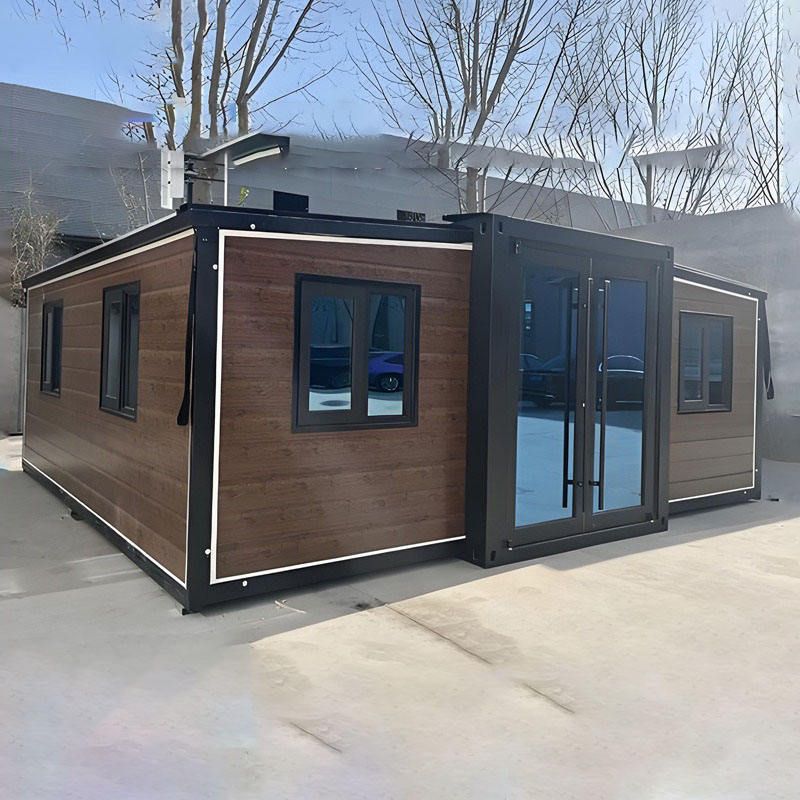
I. Structural and Functional Modules
The core unit of the Suqian seated mobile toilet consists of three main modules:
- Load-Bearing and Mobility Module: Built on a sturdy, standard-sized container base, it is equipped with forklift slots or trailer towing devices at the bottom for easy overall transportation and positioning. The container material typically uses fiberglass or high-strength composite materials, combining lightweight properties with corrosion resistance to adapt to complex outdoor environments.
- Sanitation Treatment Module: The internal core is a sealed sewage storage tank, containing chemical or biological degradants that effectively decompose waste and reduce odors. The toilet seat itself, as the user interface, is designed with a focus on hygiene isolation (e.g., splash guards), durability (e.g., impact-resistant materials), and basic comfort (e.g., ergonomic seat design).
- Auxiliary Function Modules:
- Ventilation System: Utilizes passive air ducts or active exhaust fans to facilitate air exchange between the interior and exterior of the container, inhibiting bacterial growth;
- Lighting System: Equipped with LED lights or energy-efficient fixtures to ensure visibility during nighttime or low-light conditions;
- Signage System: Includes usage instructions, safety warnings, etc., to enhance user experience and safety.
II. Rental Process and Decision-Making Factors
The rental service centers on the temporary transfer of usage rights, covering processes such as reservation, configuration, transportation, installation, and maintenance. When making decisions, the following factors should be comprehensively evaluated:
- Placement Environment:
- Physical Conditions: Available area, ground load-bearing capacity, access channel dimensions (e.g., door width must be ≥ container width);
- Usage Requirements: Estimated foot traffic, peak hour distribution, duration of continuous use (e.g., event cycle).
- Infrastructure: Electrical outlets (for ventilation/lighting), water source proximity (some models require flushing), sewage disposal routes (sewage tank emptying or connection to municipal sewage networks).
- Cost Components:
- Base Fees: Directly related to the number of units and rental days;
- Additional Fees: Special terrain transportation fees, adverse weather protection fees, overtime charges;
- Financial Terms: Deposit payment, damage compensation standards, insurance coverage.
III. Product Information and Market Selection
Suqian, Jiangsu, serves as a hub for the mobile toilet industry, with numerous brands (e.g., Changjiu Environmental Protection, Xuhu, Jingtang) offering a variety of types including mobile toilets, eco-friendly toilets, and public toilets, in materials such as stainless steel, steel structures, and plastics. Taking Suyu District as an example, Jiangsu Zhongxiangyun Environmental Technology Co., Ltd. provides a diverse range of products with price ranges from 50.00 yuan to 3,325.00 yuan, catering to different scenarios such as high-end scenic spots, large-scale events, and outdoor construction sites. Users can select appropriate models based on budget, usage scenario, and functional requirements (e.g., whether a shower room or smart control system is needed).



