
Mobile Toilets for Supplementary Classes
Supplementary classes can choose mobile toilets as a flexible sanitation facility solution based on actual needs. The versatile characteristics of mobile toilets enable them to meet various demands in supplementary class scenarios, particularly with significant advantages in site flexibility, resource conservation, and rapid deployment.
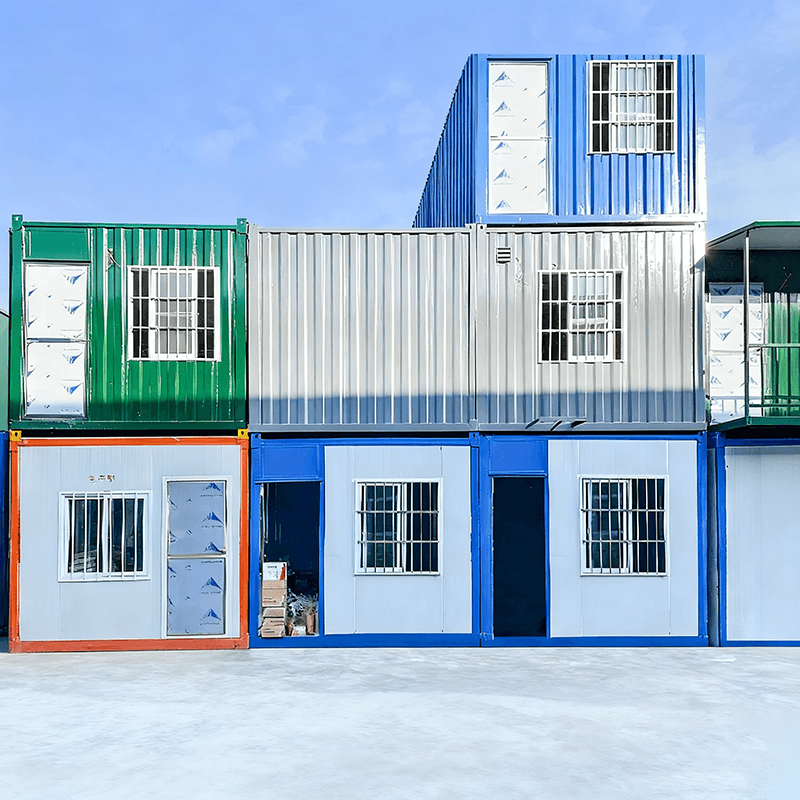
1. Adapt to Site Changes and Reduce Resource Waste
The core advantage of mobile toilets lies in their mobility. If supplementary classes frequently change venues due to teaching requirements (such as temporary rentals, outdoor expansion activities, etc.), the demolition and reconstruction of fixed sanitation facilities incur high costs and time consumption. Mobile toilets, through modular design, can be quickly relocated with site adjustments, avoiding resource waste caused by site changes, and are particularly suitable for short-term or temporary use scenarios.
2. Diverse Treatment Methods to Adapt to Environmental Constraints
The treatment technology of mobile toilets can be flexibly selected according to the usage environment. For example, in venues without municipal sewage systems (such as remote suburbs, temporary supplementary class sites), packing or biodegradation technology can be adopted, using chemical agents or microorganisms to decompose excreta, reducing dependence on external infrastructure; if close to municipal sewage networks, direct-discharge toilets connected to sewers can be chosen to reduce operational costs. This technological adaptability enables them to meet the sanitation needs of supplementary classes in different venues.
3. Small Footprint to Optimize Space Utilization
Supplementary classes typically need to maximize the use of limited space for teaching. Mobile toilets are compact in size and occupy a small footprint, allowing flexible placement in corners or edge areas of the venue, avoiding occupation of core teaching space. Additionally, their factory-prefabricated and on-site installation characteristics shorten the construction period and reduce interference with daily teaching activities.
4. Rational Configuration Based on Actual Needs
The service capacity of mobile toilets requires comprehensive consideration of equipment type, usage duration, and user composition. For example, if supplementary classes mainly consist of teenage students, materials with strong impact resistance and easy cleaning should be chosen; if activities last a long time (such as all-day training), the number of toilet stalls should be increased or water storage devices should be equipped; if users include disabled individuals, barrier-free facilities should be configured. By scientifically evaluating usage frequency and population characteristics, resource idleness or insufficiency can be avoided.
Summary: Mobile toilets provide a flexible and economical sanitation facility solution for supplementary classes through modular design, technological adaptability, and space optimization. Their application requires reasonable planning based on site conditions, usage needs, and budget to ensure a balance between functionality and practicality.



