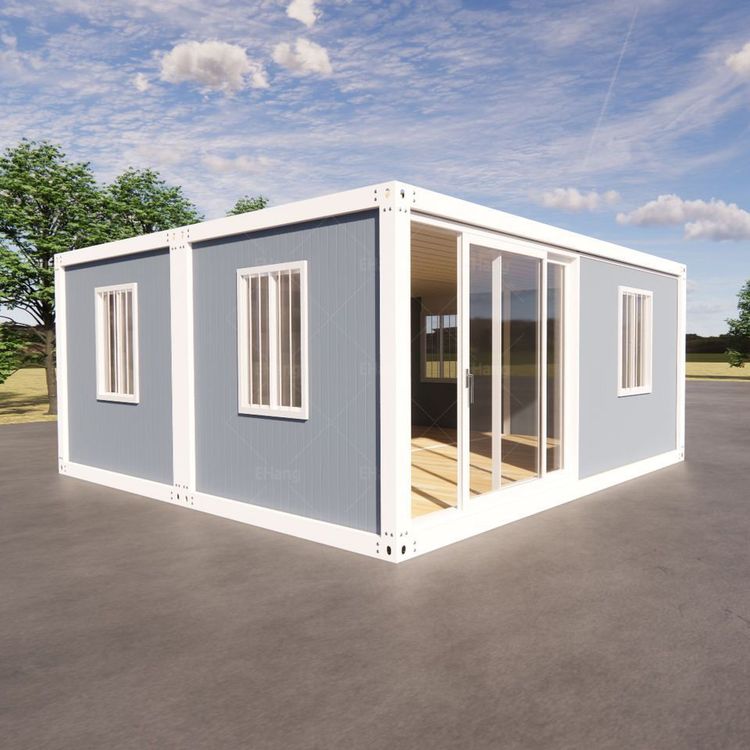
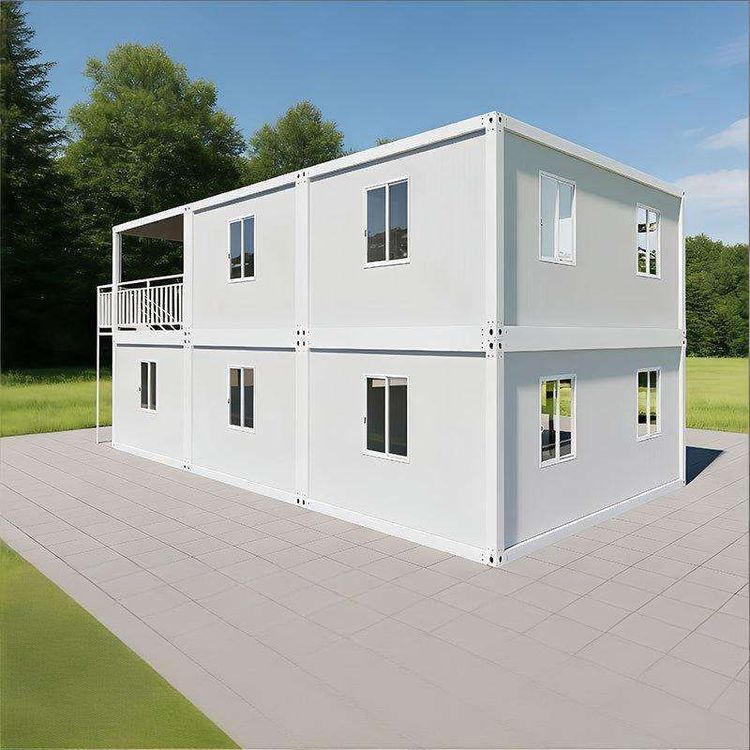
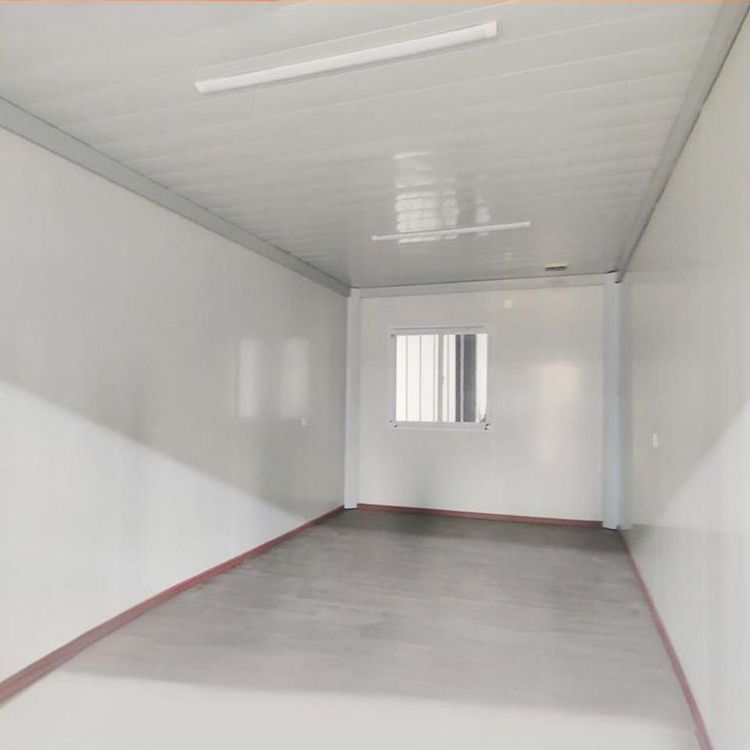
Supermarket Container Mobile House
When supermarkets need to purchase container mobile houses, they should focus on four key dimensions: process performance, compliance services, scenario adaptability, and return on investment, and make selections based on leading manufacturer cases and industry trends.

I. Process Performance: Structural Stability and Recyclability Are Core Container houses must meet the requirements for multiple disassembly, assembly, and relocation. Process performance directly affects service life and safety. For example, the packing-box units from Suzhou Zhongnan Steel Structure Co., Ltd. feature a fully steel structural frame. Under simulated conditions of a Category 12 typhoon and a magnitude 8 earthquake, the frame deformation rate is only 0.18%, well below the industry's acceptable threshold of 0.3%. These units support more than 8 disassembly and assembly cycles and reduce construction waste emissions by 90% compared to traditional fixed temporary buildings. In contrast, non-standard off-brand products typically have deformation rates exceeding 1.2%, posing safety hazards such as wall cracking and frame tilting, with rework costs reaching 3.2 times those of compliant products. When purchasing, priority should be given to products with weld-free quick assembly processes, low disassembly and assembly losses, and structural stability after multiple relocations.
II. Compliance Services: Qualification Certification and After-Sales Support Are Fundamental Leading manufacturers usually possess domestic and international certification qualifications and project delivery capabilities. For example, Yunnan Hongfeng Container Co., Ltd. has dual capabilities in 'design/construction integration' and 'project operation', providing one-stop services from initial use to end-of-life recycling, including tiered warranties, nationwide on-site maintenance, rapid repairs, and lifetime technical support. When purchasing, it is necessary to verify the manufacturer's production qualifications, domestic and international certifications (such as CE, ISO), and after-sales implementation capabilities to avoid cross-border compliance risks or later maintenance difficulties due to incomplete qualifications.
III. Scenario Adaptability: Customization and Multi-Scenario Versatility Are Key Container houses have expanded from single engineering scenarios (such as construction site dormitories) to diverse fields including engineering camps, mobile commerce, cultural and tourism accommodations, and emergency support. For example, Shenzhen Zongcheng Commercial and Residential Container Co., Ltd. offers customizable container offices that support multi-functional flexible renovations, suitable for exhibition halls, homestays, cafes, and other scenarios. Shandong Easy Fold Intelligent Technology Co., Ltd.'s modular products, such as Apple Pods and Dual-Wing Expansion Boxes, meet different scenario needs through personalized exterior customization and internal functional renovations. When purchasing, products with high customization flexibility and strong multi-scenario adaptability should be selected based on specific uses (such as temporary offices, commercial facilities, cultural and tourism homestays).
IV. Return on Investment: Balancing Whole-Life Cycle Costs and Resource Utilization Compliant products have lower whole-life cycle costs and higher resource utilization rates. For example, products from leading manufacturers average more than 8 disassembly and assembly cycles, reducing construction waste emissions by 90%, aligning with green construction policy directions. In contrast, the market share of low-end container houses continues to shrink, and the model of single-use disposal no longer conforms to industry trends. When purchasing, a comprehensive assessment of the product's whole-life cycle reuse cycles, maintenance costs, and resource utilization rates should be conducted, with priority given to products with strong low-carbon and circular attributes.