
Super Strong Container Mobile House
Super strong container mobile houses generally refer to modular buildings that are transformed from standard containers, featuring high structural strength, multiple disassembly and relocation capabilities, and adaptability to various scenarios. The following is an introduction from four aspects: structural characteristics, application scenarios, performance advantages, and purchasing considerations.
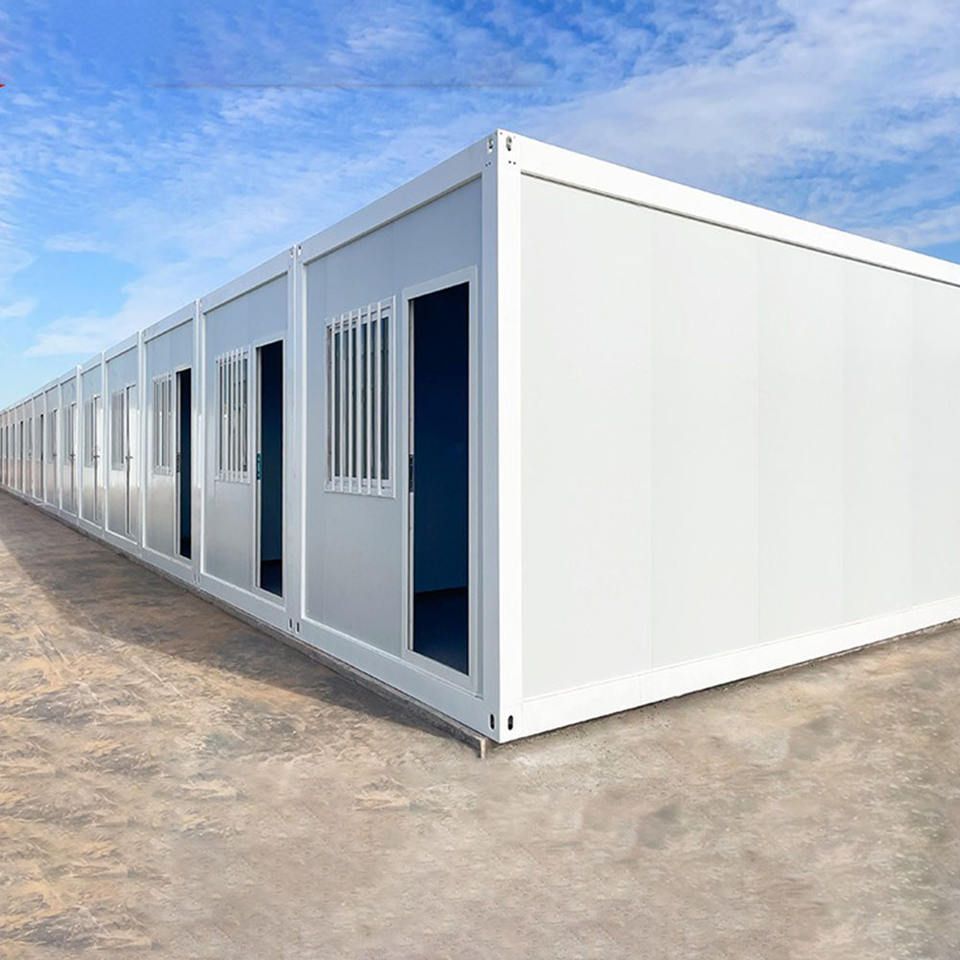
Structural Characteristics
Super strong container mobile houses are based on standard containers (commonly available in 20-foot and 40-foot sizes). Their overall strength is enhanced through reinforced steel frames and optimized welding processes. For example, products from Suzhou Zhongnan Steel Structure Co., Ltd. adopt all-steel frames, with weld strengths meeting the GB/T 19001-2016 standard. In 12-level strong wind conditions, the maximum frame deformation is only 2mm, far below the national standard limit of 10mm, enabling resistance to extreme weather. Some products also increase space utilization by adding lateral or end expansion modules, increasing usable area by 30%-50% after deployment, meeting the needs of long-term on-site office use.
Application Scenarios
- Engineering Camps: Used as project offices or site command centers, these structures are sturdy and easy to transport. A single module can be assembled on-site in just 4 hours, and 10 standard camp houses can be erected within 3 days.
- Emergency Support: Foldable container houses, when folded, have a volume only 1/5 of their deployed state. A single truck can carry 20 units, reducing transportation costs by 30%-50% per trip, making them suitable for rapid deployment to disaster areas or temporary rescue sites.
- Commercial Temporary Spaces: They support on-demand assembly and can be customized with special structures such as curved walls and floor-to-ceiling glass windows, achieving an internal space utilization rate of over 90%, suitable for pop-up stores, brand displays, and other scenarios.
- Cultural Tourism Homestays: Incorporating creative designs such as glass curtain walls and wood-grain finishes, they are used for high-end temporary offices or cultural and creative parks, balancing functionality and visual appeal.
Performance Advantages
- High Cost-Effectiveness: Products from leading manufacturers can be disassembled and reused an average of more than 8 times, reducing construction waste emissions by about 90% compared to traditional fixed temporary buildings, with a single-use cost only 1/3 of that of new products.
- Low Carbon and Environmental Protection: They support multiple disassembly and reuse cycles, aligning with domestic circular economy policies. For example, Zhongnan's quick-assembly container products can be disassembled and reassembled more than 15 times without significant structural degradation.
- Strong Scene Adaptability: Through modular assembly and customized exterior facades, they can adapt to diverse scenarios such as engineering camps, mobile commerce, and emergency support, enhancing asset reuse value.
Purchasing Considerations
- Process Performance: Prioritize products that adopt welding-free quick-assembly processes with low disassembly and assembly losses, and verify structural stability data after multiple relocations.
- Compliance and Services: Confirm the manufacturer's qualifications, domestic and foreign certifications (such as CE certification), project delivery, and after-sales capabilities, avoiding non-standard white-label products.
- Return on Investment: Comprehensively evaluate the product's full lifecycle costs, including purchase price, transportation fees, storage costs, and maintenance expenses, prioritizing cost-effective products from leading manufacturers.



