
Sunshine Temporary Mobile Toilet
Sunshine temporary mobile toilets generally refer to solar-powered mobile toilets, which achieve independent, environmentally friendly, and low-energy operation through clean energy power supply, water-saving sewage disposal, and intelligent control technologies.
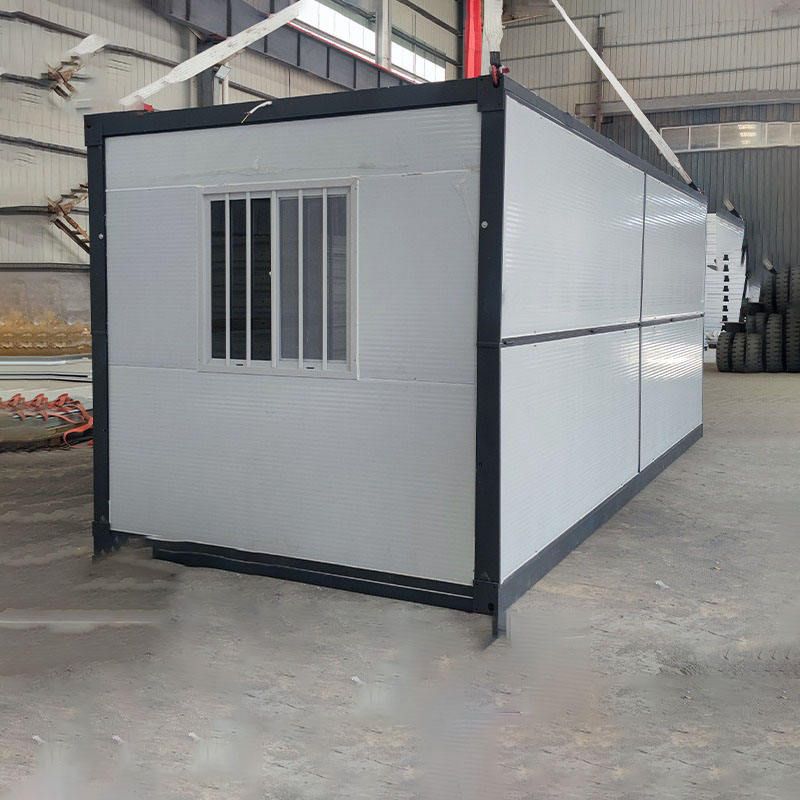
Energy System: Photovoltaic Power Supply and Intelligent Management
The core energy system of solar-powered mobile toilets consists of "photovoltaic panels + controllers + deep-cycle batteries." Photovoltaic panels convert sunlight into direct current, which is then regulated by the controller. Part of the electricity directly powers low-energy devices (such as LED lights), while the rest is stored in the batteries. This "generate-while-using-and-storing" model avoids the noise and exhaust pollution of traditional diesel generators and does not rely on municipal power grid installation, making it particularly suitable for remote or temporary locations.
The intelligent control module is key to energy management. It continuously monitors battery voltage, photovoltaic panel current, and water tank levels. When the battery voltage falls below a set threshold, the system automatically cuts off non-essential loads (such as ventilation equipment), retaining only lighting and flushing functions to ensure the toilet can maintain basic operation for at least 72 hours during continuous rainy days.
Sewage System: Water Conservation and Efficient Treatment
The sewage disposal technologies of solar-powered mobile toilets mainly fall into two categories:
- Micro-flush system: This system controls water flow through a small solenoid valve, using only 0.3 to 0.5 liters of water per flush—far less than the 6 liters used by household toilets. Its water pressure relies on pre-stored compressed air or gravitational drop, eliminating the need for continuous water supply and making it suitable for water-scarce regions.
- Vacuum negative pressure system: This technology uses air pressure differences within pipes to suction waste into a collection tank, consuming less electricity but requiring higher sealing standards. By reducing water usage, it further decreases sewage volume, facilitating centralized treatment.
Environmental Benefits and Suitable Scenarios
The environmental friendliness of solar-powered mobile toilets is reflected in multiple aspects:
- Zero emissions: No exhaust from diesel combustion, reducing carbon emissions;
- Water conservation: Micro-flush or vacuum negative pressure technologies significantly reduce water consumption;
- Independent operation: No reliance on external power grids or water supply systems, offering strong adaptability.
They are suitable for temporary events (such as music festivals, sports competitions), remote scenic spots, disaster emergency response, and other scenarios, meeting basic sanitation needs while minimizing environmental impact.



