
Sunroom Pricing and Industry Background
How much does a sunroom cost? What is the industry background of sunrooms?
How much does a sunroom cost? A sunroom has an elegant English name—winter garden—meaning a garden for winter. It carries two meanings: first, bringing the living room into close contact with sunlight so you can enjoy warmth even in cold winters; second, the unique insulation of a sunroom supports green-home functions, creating a warm living environment for the family even in winter. Aluminum-composite sunrooms have independent exterior and roof structures that blend well with any architectural style, with excellent sound insulation and thermal performance, overcoming traditional sunroom defects such as cold winters, hot summers, fogging, and icing.
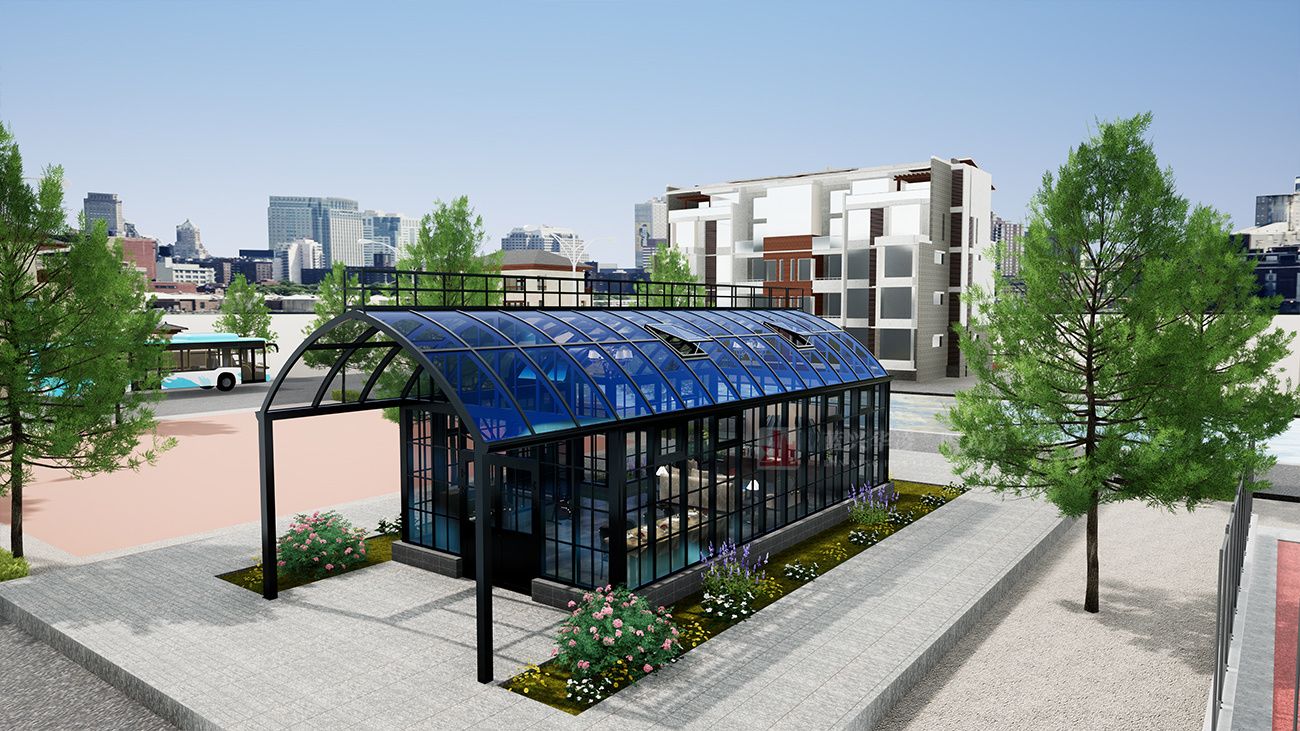
How much does a sunroom cost? What are the material classifications of sunrooms?
Sunrooms are classified by roof material: glass-roof sunrooms, thermal-break aluminum roof sunrooms, deck-roof sunrooms, color-panel roof sunrooms, and more.
By facade material: Fenglu thermal-break aluminum doors and windows, Xingfa thermal-break aluminum, aluminum-clad wood, uPVC windows, and others.
By structure: steel-structure sunrooms, aluminum-structure sunrooms, steel-aluminum sunrooms, and wood-structure sunrooms.
By location: terrace sunrooms, courtyard sunrooms, porch-entry sunrooms, basement courtyard sunrooms, and balcony sunrooms.
By style: creative sunrooms, composite sunrooms, shaped-roof sunrooms, and single-slope sunrooms.
European styles: Mediterranean, Byzantine, Victorian, and Gothic sunrooms.
Sunroom systems include: sloped-roof skylight systems, intelligent shading systems, natural ventilation systems, energy-saving Low-E glass, and drainage systems.
Sunroom structure: The main structure is the lifeblood of a sunroom, bearing major loads, so main structural materials must not be overlooked. Generally, square steel is chosen as the primary structural material; some small and medium premium sunrooms may use thermal-break aluminum alloy. Basic four columns are essential, with beams supporting color steel panels or tempered glass in a grid structure—very sturdy and safe. Because manufacturing prices and performance differ by material, consumers can choose according to budget. Main structural forms include:
1. Steel-structure sunrooms
2. Insulated aluminum alloy sunrooms
3. Composite-structure sunrooms (steel-wood, aluminum composite)
4. Wood-structure sunrooms
5. Light-control sunrooms (using high-tech switchable glass)
How much does a sunroom cost? What are the pros and cons of sunrooms?
1. Tempered glass roof:
(Pros) Best transparency among glass-roof sunrooms.
(Cons) Good light transmission but poor insulation and thermal performance.
2. Color steel roof sunrooms:
(Pros) Color steel panels offer relatively good insulation and thermal performance.
(Cons) Color panels do not transmit light; color tones are not uniform.
- Deck-roof sunrooms:
(Pros) Five-layer deck roofs (deck tiles, heat pads, etc.) provide insulation, thermal performance, multiple colors, and attractive appearance.
(Cons) Insufficient light transmission; relatively high price. Roof skylights and large perimeter windows help lighting and ventilation.
4. Polycarbonate panel sunrooms:
(Pros) Frames use thermal-break aluminum filled with hollow fiberglass; good light transmission and insulation.
(Cons) Relatively high cost.



