
Sulong Container House
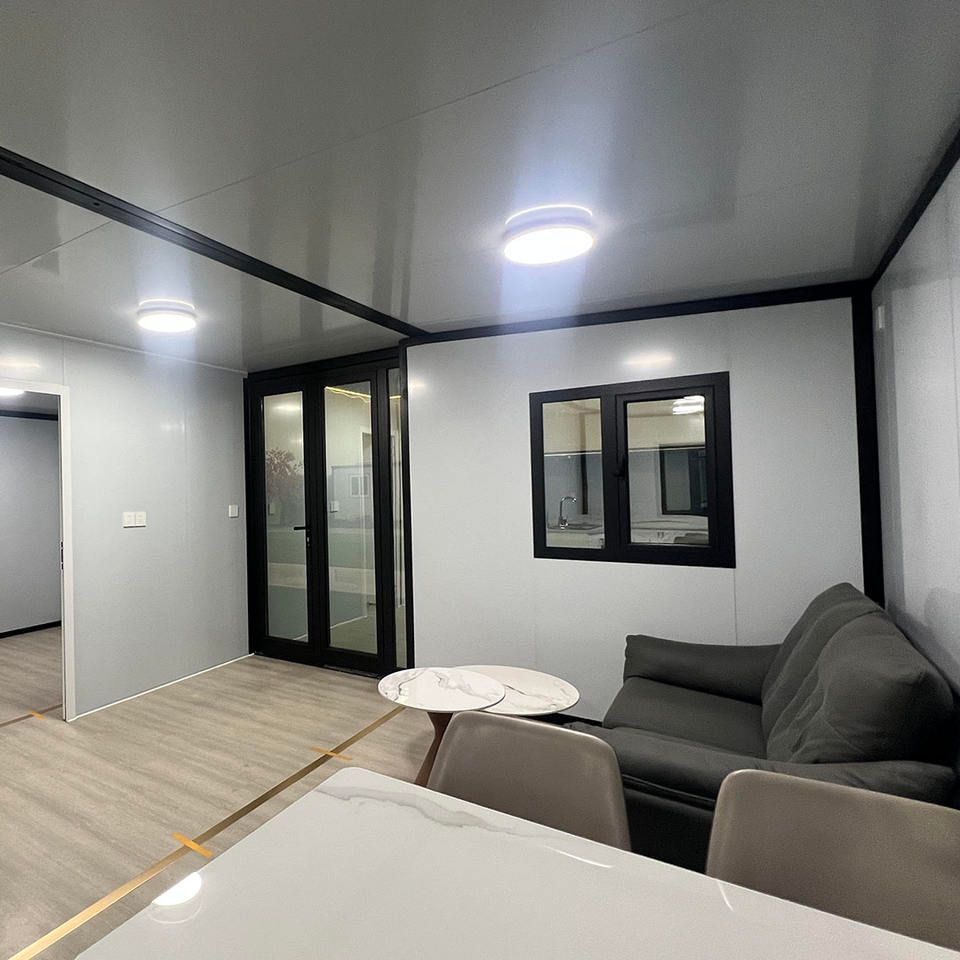
Sulong container houses generally refer to modularly designed, factory-prefabricated, and rapidly assemblable container-type building units. They feature dismountability, relocatability, and low-carbon environmental protection, and are widely used in scenarios such as temporary construction site buildings, cultural tourism homestays, emergency housing, and overseas projects.
I. Core Manufacturing Processes and Process Characteristics
The manufacturing of container houses is based on standardized production lines, with core processes including:
- Steel Structure Frame Welding: Hot-dip galvanized cold-formed steel is used as the main structure, and the frame is assembled through automated welding equipment to ensure structural strength and rust resistance.
- Wall and Roof Panel Prefabrication: Wall panels often use rock wool, glass wool, or polyurethane sandwich panels, which combine thermal insulation and fire resistance functions; roof panels need to meet waterproof requirements, and some products adopt single-slope or double-slope designs to adapt to different climates.
- Internal System Embedding: Pre-installation of systems such as water and electricity pipelines, doors and windows, and sanitary equipment is completed in the factory to reduce on-site wet operations. For example, the concrete MiC (Modular Integrated Construction) production line can produce a complete module every 20 minutes, and each module is equipped with a unique QR code identity label for easy tracing of production records.
- Trial Assembly and Quality Inspection: Module matching tests are conducted before leaving the factory to ensure rapid splicing after on-site hoisting. Some manufacturers also verify product performance through third-party test reports, such as disassembly and assembly loss levels and structural stability after multiple relocations.
II. Product Types and Application Scenarios
According to functional and design differences, container houses can be divided into the following types:
- Packing-Box Container Houses: These use hot-dip galvanized frames paired with fire-resistant sandwich panels and can be used independently or stacked and combined. They are commonly found in construction site dormitories, office areas, and temporary meeting rooms.
- Light Steel Keel Houses: These use cold-formed thin-walled light steel keels for load-bearing, with walls filled with thermal insulation materials. The appearance and layout can be customized, making them suitable for self-built houses, homestays, and scenic area supporting housing.
- Functional Supporting Houses: Such as security guard posts and environmental protection public toilets, with flexible adjustment of size and layout to meet specific scenario needs.
- High-End Cultural Tourism Homestays: Through modular splicing and personalized facade design, these achieve expandable and movable villa-level products that support multiple disassembly and assembly cycles for reuse. The construction waste emissions are reduced by about 90% compared to traditional temporary buildings.
III. Industry Development Trends and Purchase Recommendations
Currently, the container house industry is developing towards refinement, low-carbonization, and scenario-based applications:
- Full Life Cycle Low-Carbon Circulation: Leading manufacturers' products have an average disassembly and reuse count of more than 8 times, significantly improving resource utilization.
- Enhanced Cross-Scenario Versatility: Expanding from single engineering scenarios to mobile commerce, emergency support, and other fields. For example, expandable container villas can be folded and contracted during transportation and double in space after landing.
- Compliance and Intelligent Upgrades: Manufacturers need to have domestic and foreign certification qualifications and be equipped with intelligent production lines to improve manufacturing precision (e.g., stable control within 1-2 millimeters).
When purchasing, it is necessary to focus on examining process performance (such as weld-free quick assembly processes), compliance services (such as project delivery capabilities), scenario adaptability (such as customization flexibility), and return on investment (such as full life cycle operation and maintenance costs). Priority should be given to manufacturers that support customization of irregular sizes and provide trial assembly services to reduce the risk of selection errors.



