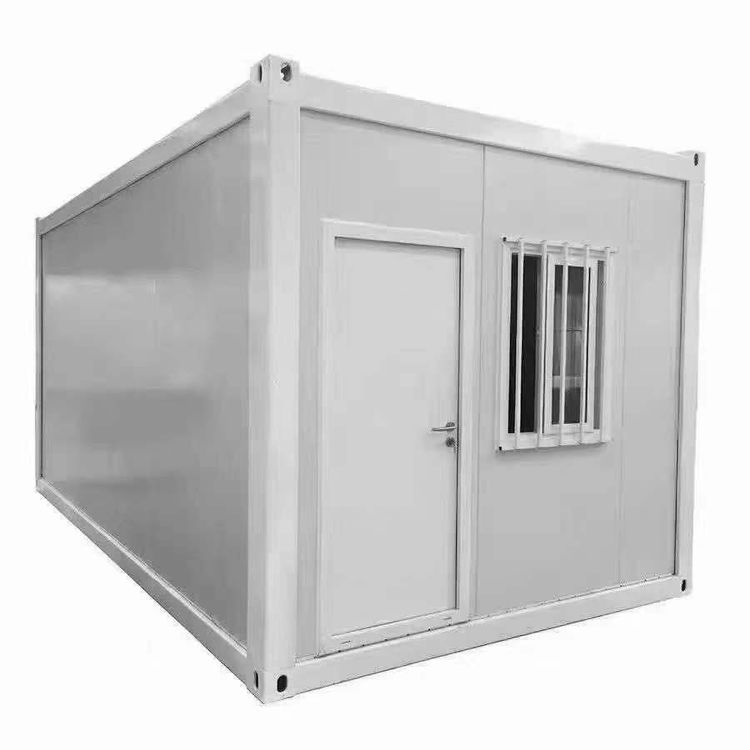
Suizhou Pneumatic Mobile Toilet
Currently, there is no specific public information available about the 'Suizhou Pneumatic Mobile Toilet'. The following provides a popular science explanation of the principles, common types, and potential application scenarios of pneumatic mobile toilets.

Pneumatic mobile toilets are mobile sanitation facilities that utilize air pressure differentials to handle and discharge waste. Their core principle involves creating a negative pressure environment inside the toilet through an air pressure device. When a user uses the toilet, waste is rapidly drawn into a storage container or treatment system under the influence of air pressure, reducing odor diffusion and bacterial transmission while enhancing the cleanliness of the user experience. This design is particularly suitable for scenarios with high hygiene requirements or confined spaces.
Common types can be divided into two categories:
- Simple Pneumatic Storage Type: Waste is directly drawn into a sealed storage tank via an air pressure pump and periodically transported and disposed of by specialized vehicles. These toilets have a simple structure and low cost, often used in temporary events, construction sites, and other scenarios. However, they require frequent maintenance of the storage tank's airtightness.
- Pneumatic Treatment Type: Combining biodegradation or chemical treatment technologies, these toilets utilize air pressure to accelerate waste decomposition, reducing storage volume and pollution risks. For example, some models send waste into a microbial reaction chamber through air pressure, where aerobic bacteria decompose it into harmless substances, suitable for long-term deployment in scenic spots or remote areas.
In terms of application scenarios, pneumatic mobile toilets are frequently used in the following contexts due to their mobility and superior hygiene performance compared to traditional dry toilets:
- Large-scale events: Such as music festivals, sports events, etc., where a large number of sanitation facilities need to be rapidly deployed in environments sensitive to environmental impact.
- Emergency rescue: After earthquakes, floods, and other disasters, temporary settlement sites have high hygiene requirements, and pneumatic toilets can quickly restore basic sanitation services.
- Tourist attractions: In nature reserves or remote scenic spots where traditional sewage systems are difficult to cover, pneumatic toilets can reduce ecological damage.
For specific information about the 'Suizhou Pneumatic Mobile Toilet', it is recommended to inquire through official channels of local municipal departments, environmental protection companies, or mobile toilet manufacturers to obtain detailed product parameters, technical standards, and practical application cases.