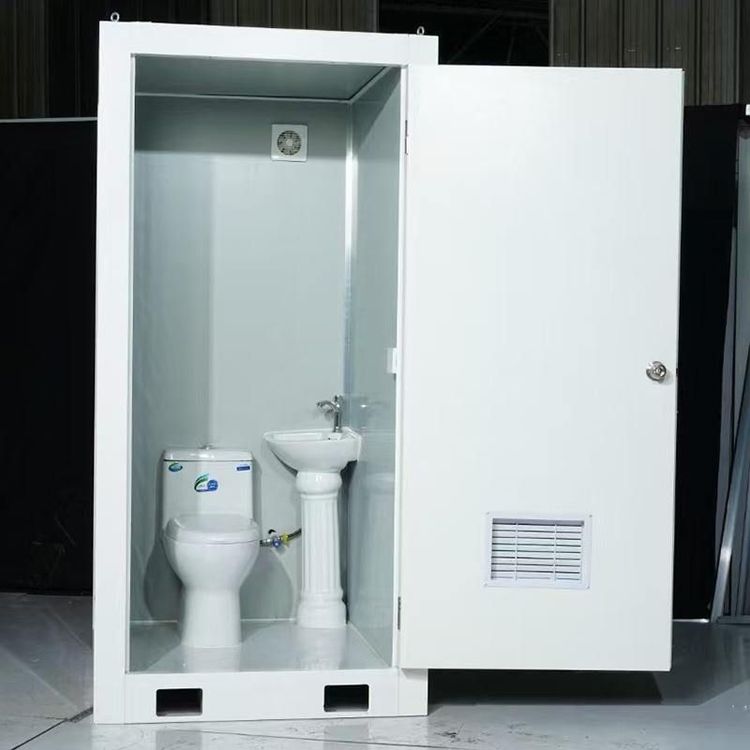
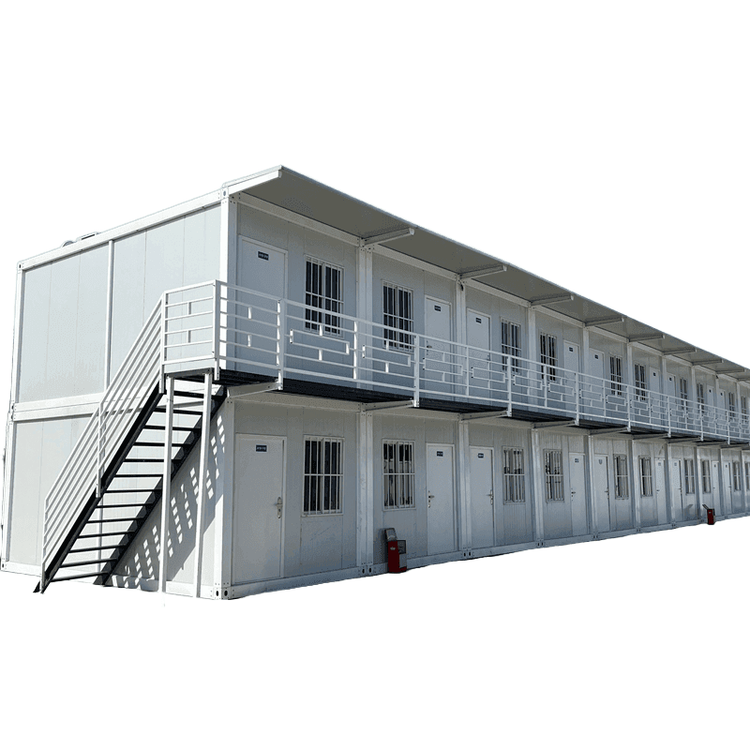
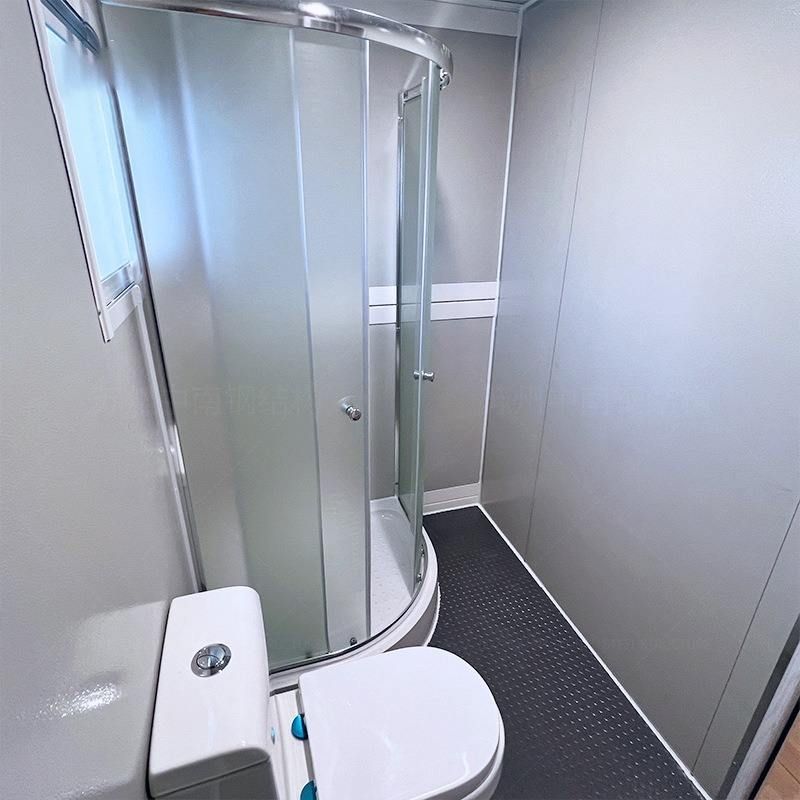
Mobile Toilets Unsuitable for Rooftops
Mobile toilets are not suitable for rooftop installation. The specific reasons are as follows:
Legal and Approval Issues
Rooftops are public spaces. According to relevant regulations, it is strictly prohibited to erect mobile toilets or other facilities without approval. Any construction activities on rooftops, including the installation of mobile toilets, require construction planning approval. Failure to obtain the necessary approvals constitutes illegal construction. For example, on August 20, 2026, residents of a community in Shanyang Town, Jinshan District, erected a mobile toilet on the rooftop terrace without obtaining any construction planning approval. The facility was ultimately ordered to be dismantled. This demonstrates that installing mobile toilets on rooftops without proper legal approval can lead to legal consequences such as dismantlement, resulting in not only economic losses for the installer but also time and effort spent on addressing related issues.
Safety Risks
- Risk of Falling Objects: If a mobile toilet installed on a rooftop is not securely fixed or is subjected to external forces such as strong winds, there is a high likelihood that the entire toilet or some of its components may fall. In the event of falling objects, serious injuries and damage may be caused to pedestrians and vehicles below, endangering public safety. In the aforementioned case in the Shanyang Town community in Jinshan District, the mobile toilet was located close to the edge of the terrace, posing a significant risk of falling objects.
- Risk of Structural Overloading: The design load-bearing capacity of rooftops is limited. Their structures are primarily designed to withstand the weight of the rooftop itself and some conventional loads, such as wind and snow loads. However, mobile toilets have a certain weight, and when combined with the dynamic loads generated by human activity and the weight of stored water during use, they may exceed the design load-bearing capacity of the rooftop. This can lead to damage to the rooftop structure, affecting the structural safety of the entire building, and may even trigger serious accidents such as collapse.