
Suitable Prefabricated Houses for Northeast China
Prefabricated houses suitable for Northeast China, represented by prefabricated concrete houses, have been applied in areas such as Yanbian and Mudanjiang, offering advantages such as rapid construction, durability, earthquake resistance, weather resistance, and environmental friendliness.
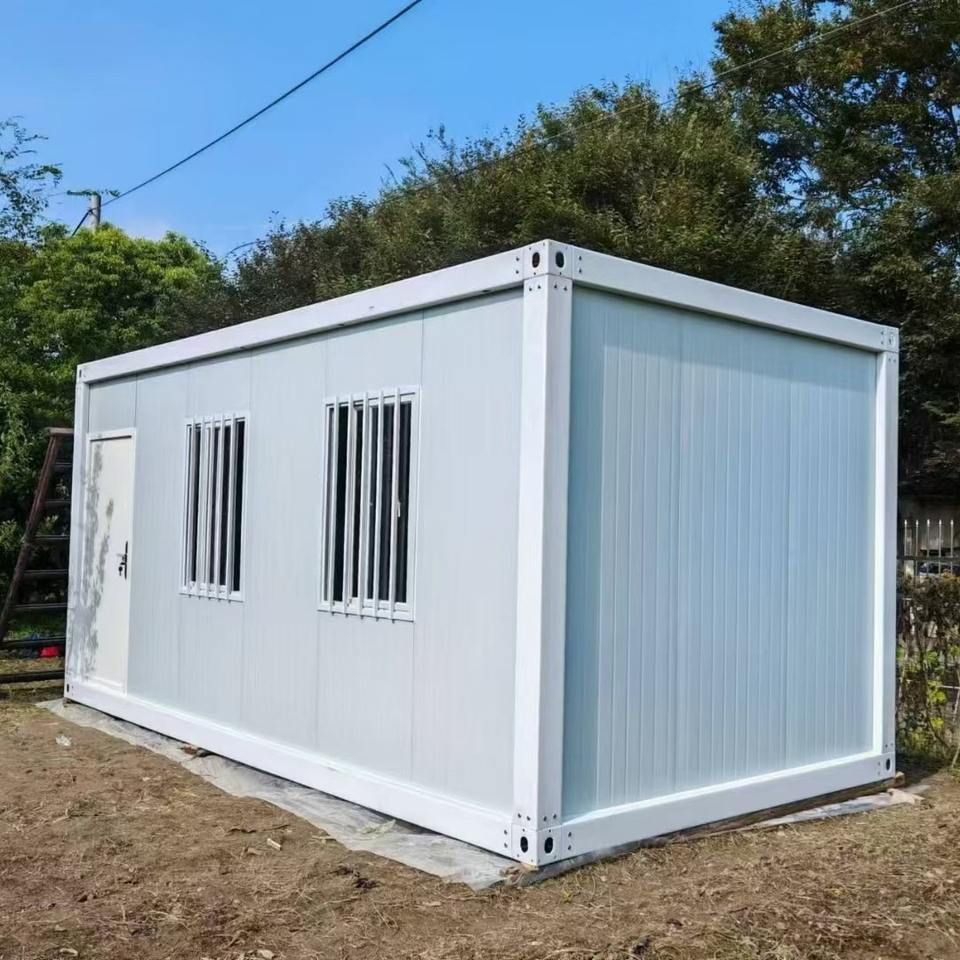
Construction Efficiency and Cost Advantages
Prefabricated concrete houses adopt a factory-based production model, where components are prefabricated in the factory and then transported to the site for assembly, significantly shortening the construction period. In the Yanbian area, this model reduces on-site work time and minimizes the impact of weather on construction, making it particularly suitable for the Northeast climate with long winters and short construction windows. Additionally, factory-based production reduces material waste and labor costs through economies of scale, resulting in lower overall costs compared to traditional buildings. In the long run, their strong durability and low maintenance requirements further save on post-occupancy expenses for residents.
Adaptability and Performance Characteristics
The climate in Northeast China is variable, with severe cold in winter and frequent rain in summer, demanding high weather resistance and thermal insulation from building materials. Prefabricated concrete houses have performed excellently in applications in Yanbian and Mudanjiang:
- Earthquake Resistance and Weather Resistance: The structural design meets local earthquake resistance standards, and the concrete material is highly resistant to weathering and corrosion, adapting well to environments with large temperature variations.
- Thermal Insulation: Practices in the Mudanjiang area demonstrate that prefabricated components, through optimized wall thickness and material ratios, offer superior thermal insulation compared to traditional brick-and-mortar structures, effectively reducing heating energy consumption in winter.
- Quality Control: Uniform production in a factory environment avoids quality issues caused by variations in workers' skills during on-site construction, particularly reducing problems such as poor concrete curing due to low temperatures or rain and snow.
Environmental Protection and Sustainability
The environmental performance of prefabricated concrete houses is outstanding:
- Material Recycling: Major materials such as concrete and steel can be recycled, reducing the pressure of construction waste on the environment.
- Resource Conservation: Factory-based production minimizes resource waste through precise material cutting and standardized processes, aligning with trends in green building development.
Application Scenarios and Cultural Integration
Prefabricated concrete houses have a wide range of applications in Northeast China, covering residential, commercial, industrial, and temporary buildings. In the Yanbian area, design teams have developed various housing styles by integrating local Korean cultural characteristics, meeting functional needs while also considering traditional aesthetics, promoting the integration of prefabricated buildings with regional culture.
With the acceleration of urbanization in Northeast China and持续增长 (sustained growth) in housing demand, prefabricated concrete houses, with their advantages of efficiency, economy, and environmental friendliness, are expected to become an important choice in the future construction market.



