Subway Station Toilet Mobile House
Currently, there is no specific definition or standard product directly targeting 'subway station toilet mobile houses', but an adaptability analysis can be conducted based on the types and characteristics of mobile toilets, combined with the needs of subway station scenarios. The core function of mobile toilets is to address the toilet needs in temporary or fixed locations, and their types and characteristics determine their applicability in different scenarios. The following provides an analysis from two aspects: technical adaptability and scenario demand matching.

Adaptability of Mobile Toilet Waste Treatment Methods to Subway Stations
Foam-sealing type: This type forms a foam layer by mixing a small amount of water with a foaming agent, isolating odors and reducing water consumption. It is simple to operate and maintain, suitable for scenarios with high foot traffic but a need for water conservation. Subway stations have dense foot traffic; adopting this type of toilet can reduce water costs and sewage discharge, but foaming agents need to be replenished regularly, and the maintenance frequency should be adjusted according to passenger flow. Biodegradable type: This type utilizes microorganisms to decompose feces, achieving waste reduction and having a long collection cycle. It is suitable for areas without water supply and drainage systems. If there are no municipal sewage pipes around a subway station, this type of toilet can reduce the frequency of waste collection, but it is necessary to ensure the stable activity of microorganisms, and the initial cost is relatively high. Vacuum suction type: This type achieves ultra-low water consumption (about 0.5L per use) and almost no odor through negative pressure suction, suitable for high-end scenarios. If a subway station pursues a high-quality toilet experience, this type of toilet can be combined with intelligent sensing equipment (such as automatic flushing and deodorization systems), but the equipment cost and maintenance technical requirements are relatively high. Waterless packaging type: This type uses no water at all and collects feces by sealing them with film packaging, suitable for short-term events or temporary locations. If a subway station needs to temporarily add toilets (such as during holidays with high passenger flow), this type of toilet can be quickly deployed, but the packaging bags need to be replaced regularly, and the long-term use cost may be relatively high. Ordinary water-flushing type: This type has mature technology but high water consumption, suitable for scenarios with a complete sewage system. If a subway station is connected to the municipal pipe network, this type of toilet can meet basic needs, but its water-saving performance is poor.
Spatial Adaptability of Mobile Toilet Product Forms to Subway Stations
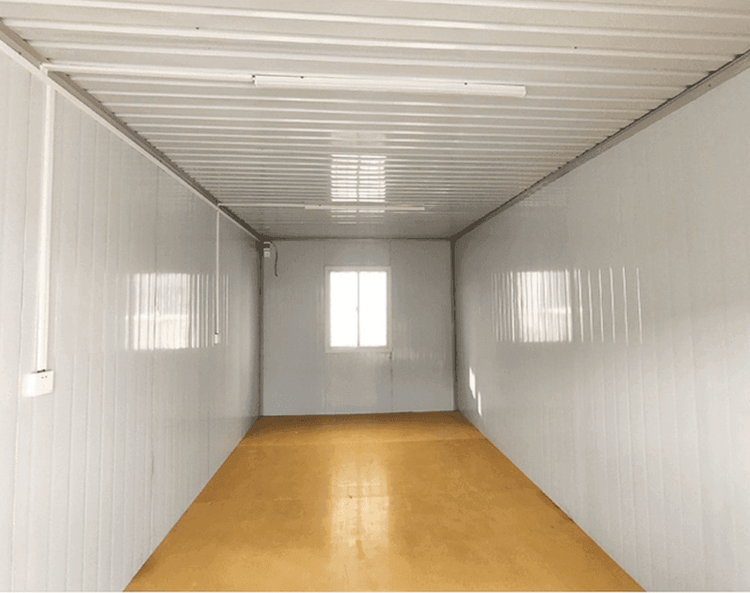
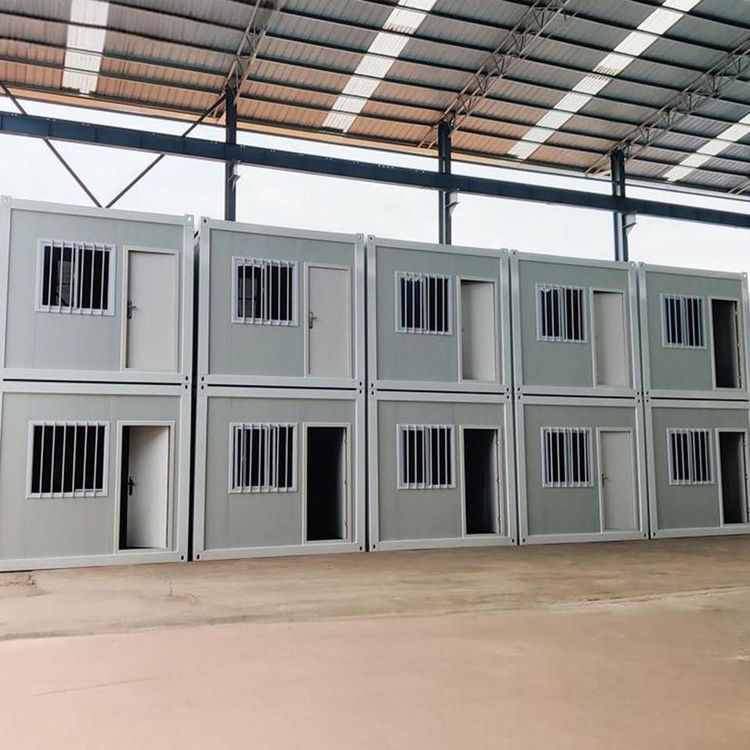
Modular products such as Apple Pods and containers (e.g., Apple Pod microbial ecological environmentally friendly mobile toilets, container mobile toilets) have the characteristics of a sturdy structure and rapid assembly, suitable for open spaces around subway stations or temporary construction areas. Their appearance can be customized to harmonize with the urban environment, but sufficient space needs to be reserved, and ventilation and lighting issues need to be considered. Skid-mounted toilets (e.g., field skid-mounted toilets) integrate sewage treatment tanks, suitable for remote stations without water supply and drainage systems, but the sewage tanks need to be cleaned regularly, and the operation and maintenance costs are relatively high. Customized products (e.g., convenient toilets, community housing smart cultural and tourism stations) can be combined with the passenger flow characteristics of subway stations to add functions such as intelligent monitoring and air purification, but it is necessary to negotiate design details with the subway operation party to ensure compliance with safety regulations.
Special Needs of Subway Station Scenarios
As urban transportation hubs, subway stations need to consider factors such as peak-hour passenger flow pressure, space utilization rate, and sanitation maintenance efficiency. The deployment of mobile toilets should match the subway operation time to avoid affecting passenger passage; at the same time, a professional operation and maintenance team should be equipped to ensure timely feces collection and normal equipment operation. In addition, if used for temporary events (such as exhibitions and sports events), a withdrawal plan should be planned in advance to reduce interference with normal subway operations.