Commercial Use of Street Mobile Toilets
Commercial use of street mobile toilets offers multiple advantages, with a wide range of applicable scenarios, diverse product types, distinctive material structures, and prices varying according to type and configuration.

Applicable Scenarios
Mobile toilets are suitable for densely populated public places and bustling commercial streets. In municipal squares and urban commercial areas, they can serve as a supplement to temporary public sanitation facilities, alleviating the issues of insufficient public toilet numbers and unreasonable layouts. In tourist attractions and parks, mobile toilets can solve the toilet problem during peak tourist periods. In industrial parks and construction sites, they provide convenient and hygienic conditions for workers. For road traffic and highway service areas, they can act as an extension of fixed facilities. Places like schools, communities, airports, ports, and parking lot entrances and exits also frequently have usage demands. Due to their ability to be relocated at any time and their minimal impact on the environment, they have become the preferred choice for many temporary events.
Product Types
Common types include single-unit mobile toilets, suitable for places with dispersed pedestrian flow. Combined mobile toilets are formed by modular assembly to create multiple toilet stalls and can also be equipped with hand-washing sinks, urinals, and other facilities. For special needs, there are mobile toilets with barrier-free access to facilitate use by disabled individuals. Environmentally friendly ecological toilets, such as those using microbial degradation or recycled water flushing, are more eco-friendly and energy-efficient. Luxury mobile toilets are equipped with air conditioners, lighting, ventilation fans, etc., to enhance user comfort.
Material Structure
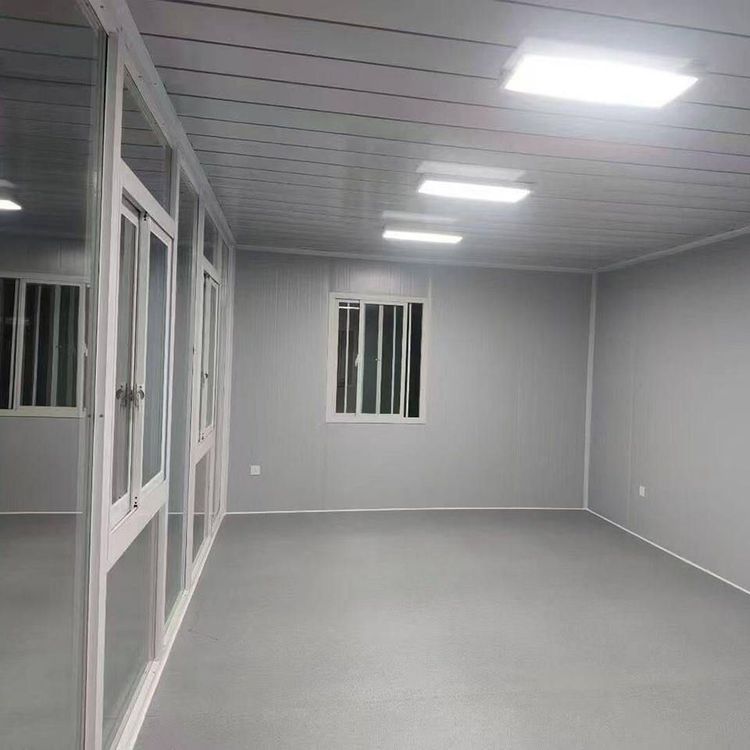
Enterprises generally use steel structures as the main framework to ensure stability and durability. For exterior wall materials, options include galvanized steel sheets, stainless steel sheets, aluminum sheets, or metal carved panels. Internally, rock wool or polyurethane is commonly used for thermal insulation. The floor is usually laid with anti-slip flooring and paired with a waterproof layer. Doors and windows often adopt aluminum alloy profiles with insulated tempered glass to ensure light transmittance and safety. For example, street-connected mobile toilets use color-steel rock wool sandwich panel materials, which have strong corrosion resistance and a service life of up to 10 to 20 years.
Commercial Prices
Prices for mobile toilets vary depending on the type and configuration. For example, the price of a metal carved panel mobile toilet, which is an integrated unit for public outdoor use in scenic spots with features like environmental protection and odor prevention, is ¥1500.00. The price of a factory-made outdoor mobile toilet, which is a high-end finished product for renovating public toilets in scenic spots with features like water flushing and direct drainage, is ¥1150.00.