
Portable Toilets at Strawberry Music Festival
At the Strawberry Music Festival, portable toilets effectively address the restroom challenges of large-scale outdoor events through modular design, efficient sanitation management, and water-saving technologies, while also providing specialized services for female attendees.
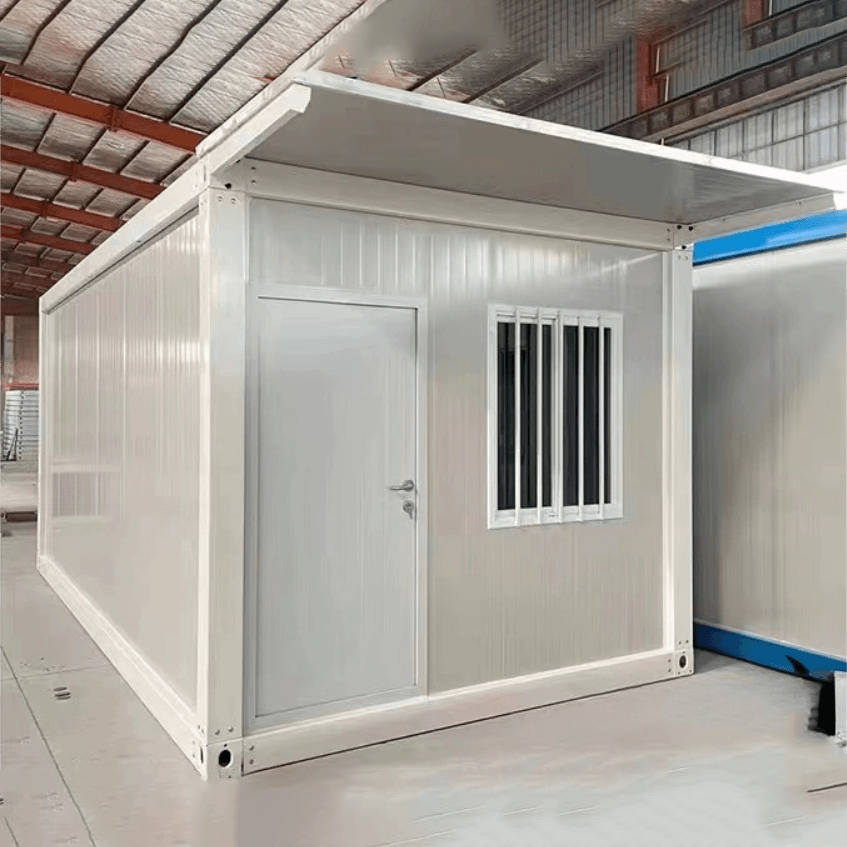
1. Rapid Deployment and Flexible Configuration
Portable toilets feature a modular design, allowing a single unit to be installed and operational in just 15 minutes. This enables organizers to dynamically adjust the number and placement of toilets based on on-site foot traffic. For example, the 2024 Shanghai Strawberry Music Festival deployed 30 portable toilets to form a temporary restroom cluster, successfully meeting the needs of 50,000 attendees and keeping peak-hour wait times under 5 minutes, significantly enhancing usage efficiency.
2. Breakthroughs in Sanitation and Environmental Protection
Portable toilets overcome the sanitation limitations of traditional temporary restrooms by incorporating built-in deodorization systems and UV disinfection capabilities, which suppress odors and kill bacteria in real time, ensuring a clean environment. Additionally, their foam-sealing technology uses only 0.3 liters of water per use, reducing water consumption by 90% compared to conventional toilets while preventing odor leakage. This technology not only conserves water but also minimizes wastewater discharge, aligning with environmental sustainability goals.
3. Female-Centric Services Enhance Experience
Some Strawberry Music Festivals, such as the 2026 Harbin edition, have introduced female-exclusive restrooms equipped with thoughtful amenities (e.g., sanitary products, emergency supplies) to further elevate service quality. These facilities reduce wait times for women through dedicated zoning and address specific needs via on-site provisions, demonstrating care for female attendees.
4. Data-Driven Effectiveness
At one Strawberry Music Festival, the strategic placement of 50 portable toilets reduced wait times by 70%, while the Shanghai event proved that well-configured restroom clusters can meet large-scale demands and outperform traditional facilities during peak hours. These metrics underscore the pivotal role of portable toilets in large events, achieving efficient resource utilization and improved user experience through technological optimization and scientific management.



