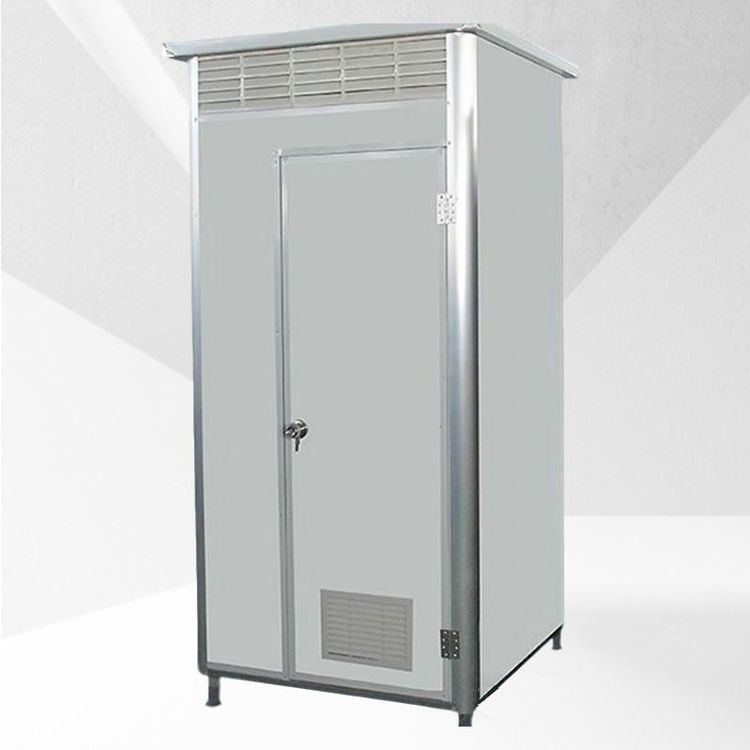
Steel-Wood Combined Container House
The steel-wood combined container house is a building form that integrates the characteristics of steel and wood, using containers as the structural foundation for renovation or modular design. It is currently commonly seen in customized cases and modular housing applications.

Structural and Material Characteristics
The core of steel-wood combination lies in steel providing structural strength and wood optimizing the living experience. Taking the "Floating House" container residence as an example, its main body adopts the steel frame structure of recycled shipping containers, ensuring overall stability and durability. The interior walls and ceilings use recycled wood from demolition, which not only reduces material costs but also enhances living comfort through the natural texture of the wood. In similar cases, the combination of metal column support systems and wooden interiors balances the sturdiness of industrial style with the warmth of natural style. Additionally, the steel frame structure (corrosion-resistant steel plate + eco-friendly board) of container modular houses and the steel framework (flame-retardant rock wool sandwich panel) of modular houses provide a basic framework for steel-wood combination. Wood can be further used for floors, partitions, or decorative layers, forming a typical "steel exterior and wood interior" structure.
Functional and Performance Advantages
The steel-wood combined design significantly enhances the overall performance of container houses. The anti-corrosion process of steel (such as ship-grade treatment) enables the house to have a service life of over 20 years, adapting to harsh environments. The addition of wood improves thermal insulation and sound insulation effects. For example, the "Floating House" achieves energy efficiency and ecological balance through the synergy of wooden interiors, roof greening, and rainwater harvesting systems. The combination of the steel framework and rock wool sandwich panels in modular houses already provides thermal insulation, fire resistance, and waterproofing functions. If wood is introduced as an auxiliary material, it can further optimize indoor temperature and humidity regulation capabilities while reducing the structural weight for easier transportation and assembly.
Application Scenarios and Customization
The steel-wood combined container house is highly adaptable to personalized needs. Its structure is based on standardized containers or modular units, allowing for customized design by adjusting steel specifications, wood types, and layouts. For example, residential projects can increase the proportion of wooden interiors to create a family atmosphere, while commercial projects can highlight the industrial feel of steel. Temporary buildings (such as post-disaster relief housing) can simplify wooden decorations to reduce costs, while high-end vacation homes can combine solid wood furniture with steel structural facades to create a unique style. Moreover, the modular design of steel-wood combination supports rapid disassembly and assembly, aligning with the concepts of green building and circular economy.